
In Old Norse myth the valkyrja ('chooser of the slain', from valr 'the slain' + kjósa 'to choose') functions as a supernatural female agent who selects those who may die in battle and those who may live and conveys the chosen dead to Odin's hall Valhalla, where they become einherjar. The Old English cognate terms wælcyrge and wælcyrie appear in several Old English manuscripts; scholars debate whether these Old English forms reflect borrowing from Old Norse/Scandinavian influence or represent a native Anglo-Saxon tradition, and some later commentary treats the wælcyrge as having taken on more sinister, witch-like valences in Anglo-Saxon contexts.
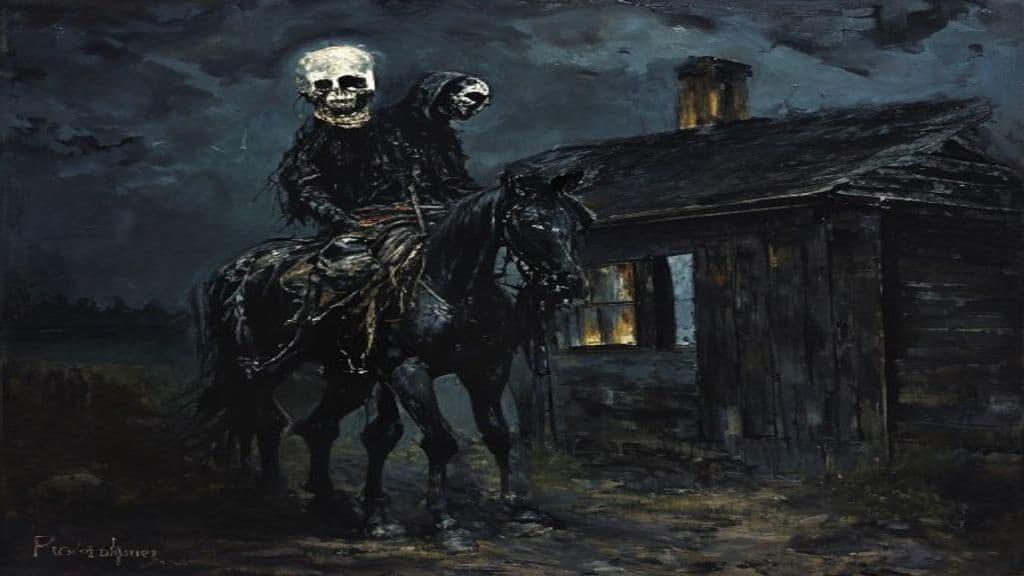
Norse sources present valkyries in varied guises: female figures associated with warfare who act as cup- and horn-bearers serving mead to the slain in Valhalla, and who in poetry and art are linked to animals such as swans, horses and ravens (with occasional poetic associations to boars or wolves). They also appear in narratives as lovers of heroes or as daughters of royalty. The supplied Anglo-Saxon material does not supply a consistent physical description of the wælcyrge; later commentary characterizes some Anglo-Saxon renderings as threatening or witch-like.
Primary attested functions in Norse material include choosing those who will die in battle, conveying the chosen to Valhalla, and serving mead to the einherjar. They feature in social and erotic roles as lovers of heroes in some narratives. Scholars have proposed relationships between valkyries and other fate-associated female beings such as the Norns and dísir, but this is interpretive rather than an explicit attested ability. Anglo-Saxon references and charms indicate that wælcyrge were in some contexts blamed for afflictions (for example, an Old English charm against pain is said to address harm ascribed to such beings), implying that charms were used to counteract perceived malefic actions, though the exact range of acts (possession, causing illness, etc.) is not consistently described in the provided sources.
Weaknesses
- otherNot specified in provided sources; charms and incantations are attested as countermeasures
Wards
- ritualAnglo-Saxon charms against pain attributed to wælcyrge
- ritual14th-century charm references to valkyrie-like figures (unnamed in supplied excerpts)
Community Record
- [1]Valkyrie (Wikipedia). Wikipedia, 'Valkyrie' article (entries summarizing Norse valkyrie functions, etymology, and attestations)wiki
- [2]Valkyrie - Alchetron. Alchetron, 'Valkyrie' summary (discusses valkyrie role, etymology, and cultural functions)other
- [3]“Wælcyrge or Witchcraft: Identifying Heathendom in late Anglo-Danish England” | Letter from Hardscrabble Creek. Blog commentary citing Old English attestations and scholarly debate that Anglo-Saxon wælcyrge may be witch-like rather than identical to Norse valkyriesother
- [4]John Arnott MacCulloch — Eddic Mythology — Chapter 24. MacCulloch summary of Eddic material on valkyries (roles as choosers of the slain and attendants of Odin's hall)literary
- [5]Viking Answer Lady — Valkyries, Wish-Maidens, and Swan-Maids. Popular summary of valkyrie motifs and associations (animal motifs, cup-bearing, warrior-maiden roles)other