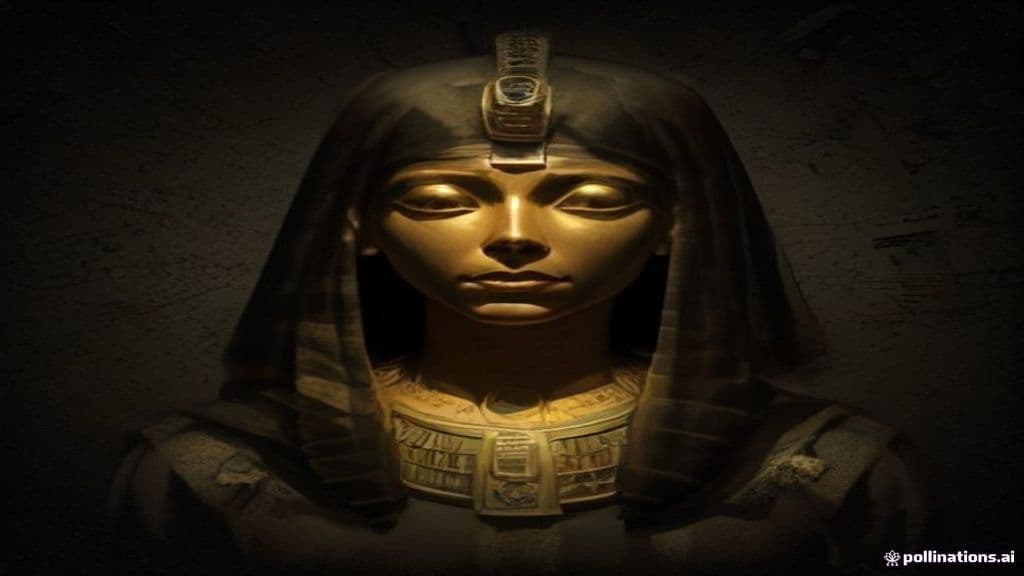
Origin and physical identity: The Mask of Tutankhamun is a gold funerary death mask that belonged to the pharaoh Tutankhamun, who reigned during the New Kingdom (Eighteenth Dynasty, c. 1332–1323 BC). It was buried with the pharaoh's mummy for over 3,000 years and is widely described in the sources as an ornate gold funerary mask. Discovery and custodianship: The mask was recovered following Howard Carter's discovery of Tutankhamun's tomb in 1922 and is currently preserved and exhibited at the Grand Egyptian Museum in Cairo. The supplied sources do not provide a detailed chain of temporary modern owners; handling by archaeologists and conservators is implicit but not documented in these notes. Curse history and folkloric framing: Modern popular-media sources included in the corpus present the mask as part of a broader theme of "cursed" or "deadly" Egyptian artifacts (for example, listicle-style videos that place Tutankhamun's mask among allegedly dangerous relics). Academic and encyclopedic sources in the set do not assert paranormal properties or specific harmful effects and give no origin story for a curse tied to the mask. Thus, claims of a curse in these materials are presented as popular folklore/sensational narrative rather than documented historical or archaeological fact. Reported phenomena and mitigation: Within the provided materials there are no verifiable, specific paranormal incidents (such as named individuals harmed, dates of illness/death, apparitions, or physical movements) directly attributed to the mask. The sources do not report any documented attempts to neutralize, cleanse, or contain the object as a supernatural hazard.
Community Record
- [1]Mask of Tutankhamun - Wikipedia. Wikipedia contributors. "Mask of Tutankhamun." Wikipedia, The Free Encyclopedia. (page noted in research notes)wiki
- [2]mask of Tutankhamun - Wikidata. Wikidata entry: label 'gold mask of the Egyptian pharaoh Tutankhamun' (as cited in research notes).wiki
- [3]Identity Is Preserved by Coherence (structural/technical discussion). Technical/analytical archive item referenced in research notes discussing structural coherence and identity-preservation approaches to artifacts.academic
- [4]The TERRIFYING Death Masks (video). Archive of a popular video titled 'The TERRIFYING Death Masks' which discusses death masks historically and frames Tutankhamun's Death Mask as an ornate example; used in research notes to indicate popular-media framing.folk
- [5]TOP 10 CURSED Egyptian Artifacts 😱 SHOCKING Ancient Secrets! (video). Archive of a popular countdown video that lists 'Tutankhamun's DEADLY Mask' among allegedly cursed Egyptian artifacts; used in research notes as an example of sensationalized modern folklore.folk