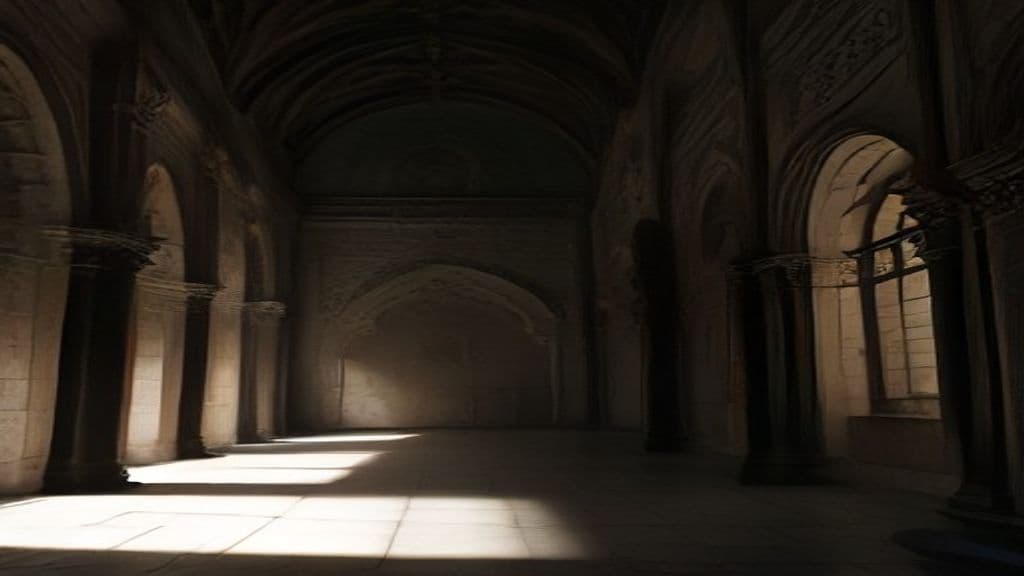
The Convent of Christ in Tomar is a medieval monastic complex with origins in the 12th century as a stronghold of the Knights Templar. Architecturally notable elements documented in source material include the Charola, the original Templar rotunda, and the Cloister of King Manuel I. The complex later functioned as a Catholic convent and has been classified as a UNESCO World Heritage site. The provided sources do not record any supernatural phenomena, named spirits, or eyewitness reports of paranormal activity associated with the site. The only contemporary incident reported in the sources concerns allegations that the site sustained physical damage—chipped masonry, broken roof tiles, and uprooted trees—during the filming of Terry Gilliam's The Man Who Killed Don Quixote. Portuguese authorities ordered an investigation into those claims; the production company named in the report did not comment in that article. No source indicates closures or permanent restrictions arising from that investigation in the supplied material. Culturally and historically, the site is significant for its Templar origins and its architectural evolution, drawing attention from heritage organizations and national media when potential damage to the monument was alleged during a film production.
Community Record
- [1]Convent of Christ (Tomar) - Wikipedia. Wikipedia contributors, 'Convent of Christ (Tomar)', Wikipedia, The Free Encyclopediawiki
- [2]Portugal says monuments damaged during filming of Terry Gilliam project. Archive news item reporting alleged damage to the Convent of Christ during filming of Terry Gilliam's The Man Who Killed Don Quixote and an official investigationother
- [3]VID Charola Built By The Templars, Tomar, Portugal 2020. Archive visual documentation of the Charola (Templar rotunda) at the Convent of Christother
- [4]VID Cloister Manuel I, Convent Of Christ, Tomar, Portugal. Archive visual documentation of the Cloister of King Manuel I at the Convent of Christother