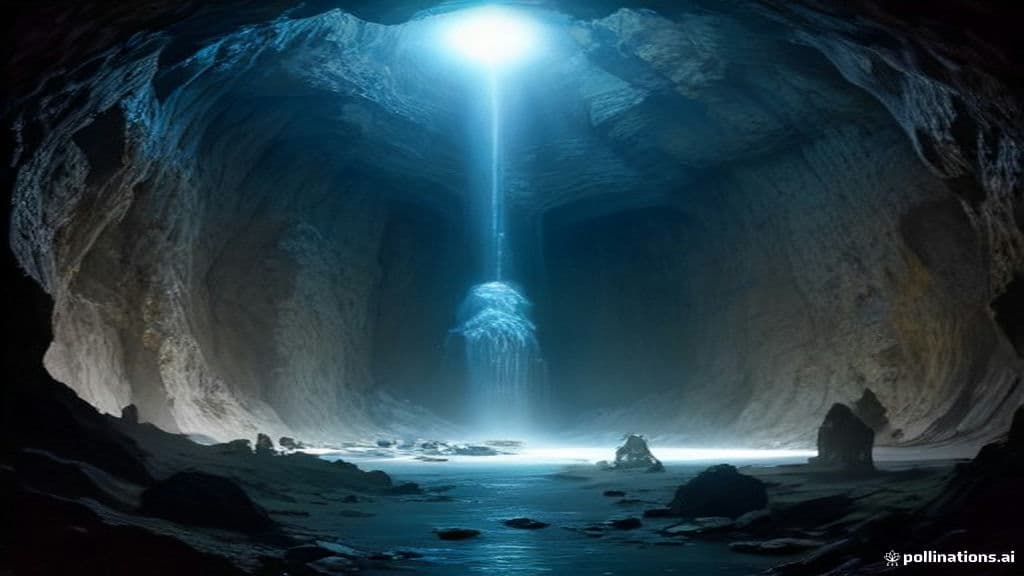
Jeita Grotto is a two-part karstic limestone cave system comprising an upper dry cave and a lower cave that channels an underground river. The system has a total explored length of nearly 9 kilometres and shows evidence of prehistoric habitation. The lower cave was rediscovered in 1836 by Reverend William Thomson. The underground river flowing through the lower cave provides fresh drinking water to more than a million people in Lebanon. Jeita Grotto is widely cited in travel guides and national tourism materials as one of Lebanon's natural highlights and is visited by the public; because the lower cave channels a river it is visited by boat. The supplied sources for this entry describe the grotto's geology, history, and touristic importance but do not document any specific paranormal phenomena, named spirits, or banshees associated with the site. There are no primary or secondary accounts in the provided materials that attribute apparitions, sounds, or hauntings to Jeita Grotto. Any claims of spirits or banshees at the grotto are not corroborated by the sources used for this record. Explanations in the sources focus on natural formation processes (karstic limestone development) and historical/archaeological usage rather than folklore or supernatural theories.
Community Record
- [1]Jeita Grotto - Wikipedia. Wikipedia contributors, 'Jeita Grotto,' Wikipedia, The Free Encyclopediawiki
- [2]Jeita Grotto - Wikidata. Wikidata entry Q1552568 for Jeita Grottowiki
- [3]Lebanon (travel guide index) - Archive.org. Lebanon travel guide index (Archive.org), listing Jeita Grotto among national highlightsother
- [4]Everywhere (at the same time) - Archive.org (unrelated item). Archive item provided in research notes (unrelated to Jeita Grotto)other