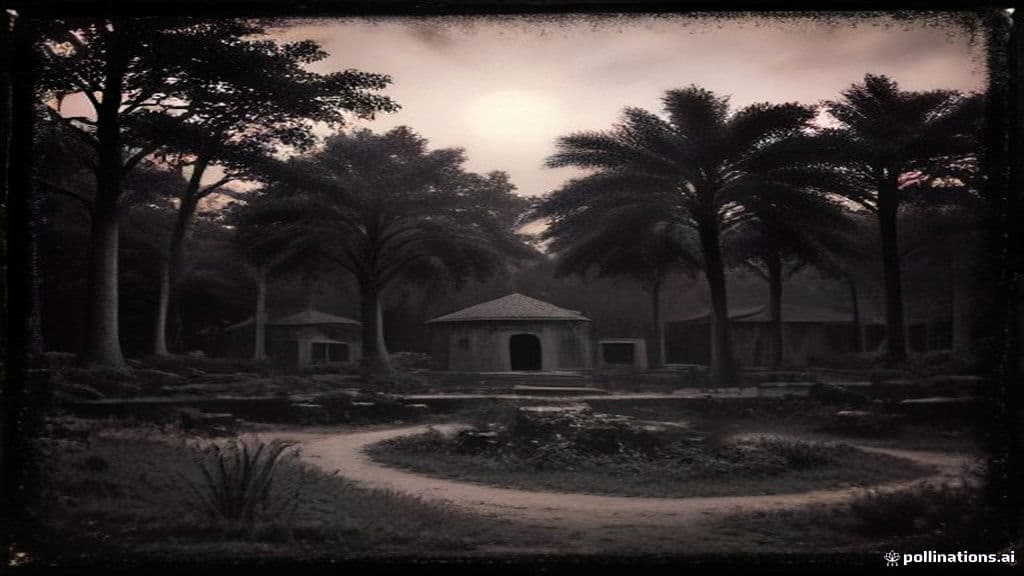
Jodensavanne (literally "Jewish Savanna") was established in the 1600s by Sephardi Jews and grew after a group fleeing persecution in Brazil settled there in the 1660s. By around 1700 the area included developed sugarcane plantations and a community comprised of some 500 plantation owners and roughly 9,000 enslaved people. The settlement was the centre of Jewish life in the colony for a time and included a synagogue and associated grave sites. The colony experienced recurring instability, including attacks from Indigenous groups, slave revolts, and raids by foreign navies, and over time the Jewish community relocated to Paramaribo. The physical remains at the site today include synagogue ruins and grave sites. Clearing of grave sites and maintenance of the synagogue ruins has been attempted at various times from the 1940s through the 20th century and into the 21st century, indicating intermittent preservation activity. The supplied sources do not provide specific information about current visitor access or formal protection/status beyond these ongoing maintenance efforts (uncertain).
Community Record
- [1]Jodensavanne. Wikipedia contributors. "Jodensavanne." Wikipedia, The Free Encyclopedia.wiki
- [2]Jodensavanne (Wikidata Q648787). Wikidata entry Q648787 for Jodensavanne.wiki