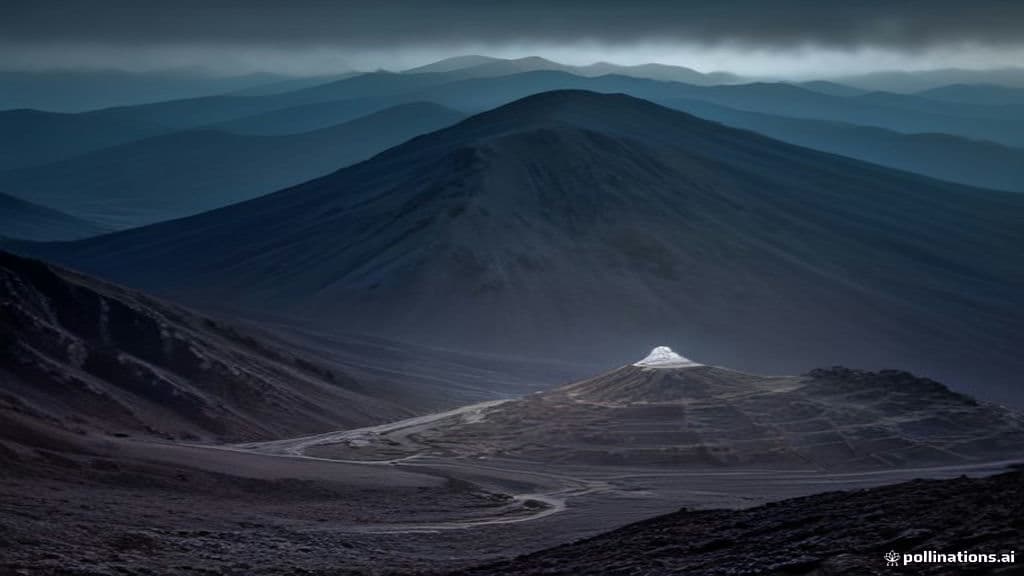
Cerro Rico ("Rich Hill") is a roughly 15,000–15,800‑foot mountain that towers over the city of Potosí and was the major silver source fueling the Spanish Empire after a large strike in 1545. Historical and contemporary reporting emphasize brutal working conditions from colonial forced labor through to modern informal mining: chronic exposure to mercury, cave‑ins, and other occupational hazards have produced high mortality and long‑term health effects among miners. In contemporary human‑rights, journalistic, and documentary sources Cerro Rico is framed as a symbol of extraction and exploitation — exemplified by phrases such as "the mountain that eats men" and the popular epithet "Killer Mines of Potosí," which describe material causes of death rather than supernatural agency. The site hosts active mining operations and community life; journalists, documentarians, and some visitors have accessed the mine workings in recent years. Multiple contemporary accounts report children and families working in the mines and recount personal tragedies and fatalities tied to mine labor. Scholarly and visual sources also document Cerro Rico's long cultural prominence, appearing in seventeenth‑century imagery and ongoing historical discourse about colonial extraction and its human costs. The supplied research notes do not contain direct reports of ghosts, apparitions, poltergeist activity, named spirits, or other paranormal entities tied to Cerro Rico. All references to the mountain as "killer" or to it "eating" people are presented and explained in the sources as metaphors for lethal labor conditions, not as claims of haunting.
Community Record
- [1]Child Labor and the Mountain that Eats Men. Rapoport Center for Human Rights and Justice, 'Child Labor and the Mountain that Eats Men' (project page)other
- [2]Cerro Rico. Lawyers, Guns & Money blog post 'Cerro Rico' (2014)other
- [3]Bolivia's child miners. Greatreporter, 'Bolivia's child miners' (2005)other
- [4]The greatest strike of all was at Potosi... in 1545. The Age of the Conquistadors, Part 2 — historical overview referencing Potosí's 1545 silver strikeother
- [5]Athanor XXXII (Cerro Rico in seventeenth‑century imagery). Athanor XXXII — scholarly discussion of visual/geographical representations including Cerro Ricoacademic
- [6]Human Rights Film Festival (documentary listings referencing Cerro Rico). Human Rights Film Festival program material referencing documentaries about women and miners at Cerro Ricoother
- [7]Go Backpacking blog (travel account of Potosí mine visit). Go Backpacking travel blog — visitor account describing present‑day realities inside the Potosí silver mineother
- [8]Background information and recent books on Potosí. BookBrowse background material summarizing recent literature on Potosí and Cerro Ricoother
- [9]List of reportedly haunted locations in Mexico (Wikipedia — unrelated entry; included in source list). Wikipedia list (source list entry; does not contain documented Cerro Rico hauntings in supplied excerpts)wiki
- [10]Mayan Murals / RealHistoryWW (contextual site list). Supplementary web resource included in source listother