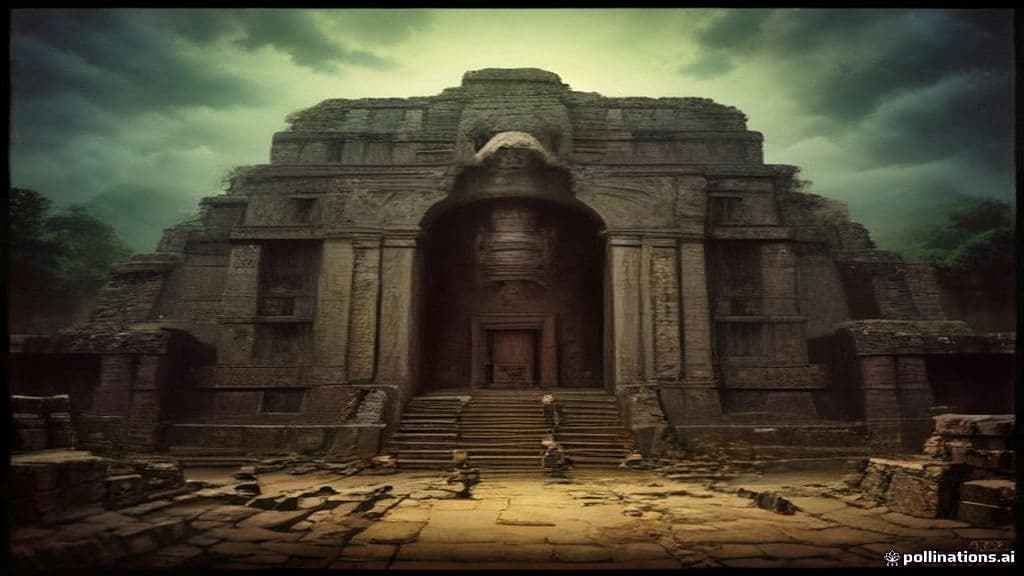
Lamanai (recorded in Classic Maya inscriptions as Lam'an'ain) is a major Mesoamerican archaeological site in northern Belize's Orange Walk District. It is renowned for its exceptionally long occupation spanning roughly three millennia, beginning in the Early Preclassic and continuing through the Classic, Postclassic and into the Spanish and British colonial periods. Unlike many southern lowland Maya centers, Lamanai shows continuity rather than terminal Classic abandonment. The site is documented in archaeological literature and appears in travel guides as a notable Mayan ruin and tourist destination in northern Belize. It has been the subject of scholarly study, including treatments of elite behavior in the northern lowlands. The provided sources classify Lamanai as an archaeological site and discuss its historical and cultural significance; they do not, however, record any paranormal events or named supernatural entities associated with the ruins. Although the prompt referenced a "Lady in White," the supplied sources contain no corroboration of such a figure or any ghostlore for Lamanai. The travel literature's evocative chapter title "The Submerged Crocodile: Lamanai" is a descriptive label in tourism writing and not a report of supernatural activity. Consequently, no paranormal phenomena are documented in the cited materials.
Community Record
- [1]Lamanai - Wikipedia. Wikipedia contributors. "Lamanai." Wikipedia, The Free Encyclopedia.wiki
- [2]Lamanai - Wikidata. Wikidata entry Q968562 for Lamanai (archaeological site).other
- [3]Frommer's Belize (archive) - Northern Belize / Mayan Ruins ("The Submerged Crocodile: Lamanai"). Frommer's Belize (archived edition) — entry on Northern Belize / Mayan ruins referencing Lamanai as "The Submerged Crocodile: Lamanai."literary
- [4]Mesoamerican elites : an archaeological assessment (chapter on Altun Ha and Lamanai). Scholarly volume including chapter "Noblesse oblige: the elites of Altun Ha and Lamanai, Belize."academic