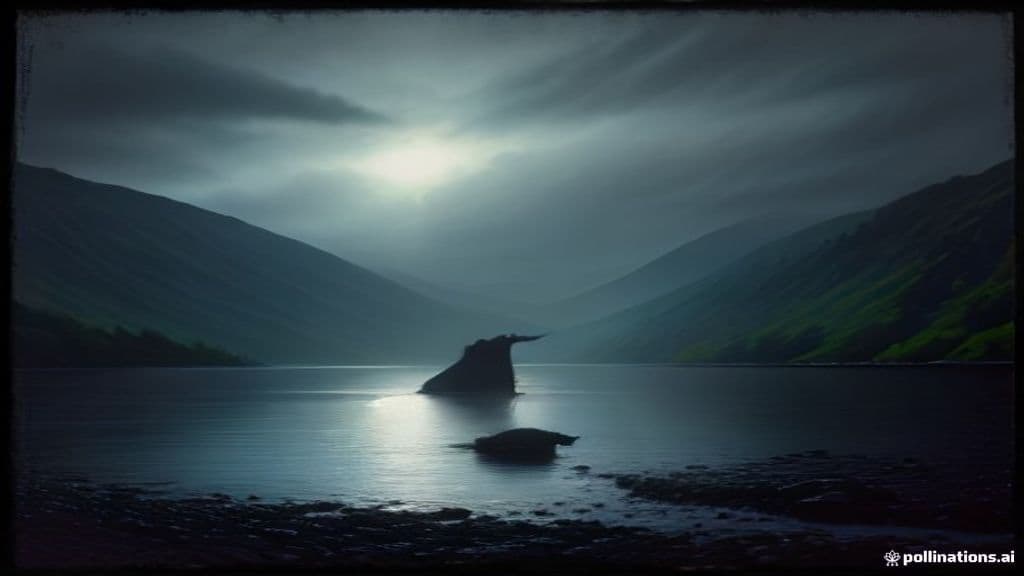
Loch Ness is a large freshwater loch in the Scottish Highlands. It takes its name from the River Ness, which flows from the northern end; outflows connect via Loch Dochfour to the River Ness and the Caledonian Canal. As a natural lake, it has no construction date or built-era. Loch Ness is internationally best known for claimed sightings of a cryptozoological creature known as the Loch Ness Monster, affectionately called "Nessie." The provided sources describe the loch's association with the monster in folkloric and popular-media contexts but do not supply specific eyewitness reports, dates, or investigative conclusions. Popular media and creative works continue to reference and reproduce the Nessie image, linking the legend to local place-names in entertainment contexts (for example, references to Drumnadrochit) though such links are not established as historical facts in the supplied materials. The phenomenon remains predominantly a matter of cryptozoological folklore and popular culture rather than a documented scientific finding in the sources provided. The loch remains publicly accessible and continues to be a focal point for cultural interest, tourism, and media about the monster legend.
Community Record
- [1]Loch Ness - Wikipedia. Wikipedia contributors. "Loch Ness." Wikipedia, The Free Encyclopedia.wiki
- [2]Loch Ness - Wikidata. Wikidata entry Q49650 for Loch Ness (hydrological connections and outflows).other
- [3]26 - Sasquatch vs Loch Ness Monster! (podcast episode). Archive.org. Podcast episode description referencing the Loch Ness Monster in a popular-media comparative context.folk
- [4]Copy of Low Poly Loch Ness Monster (Thingiverse copy). Archive.org. User-created 3D model referencing the Loch Ness Monster, indicating continuing cultural reproduction of the creature's image.folk