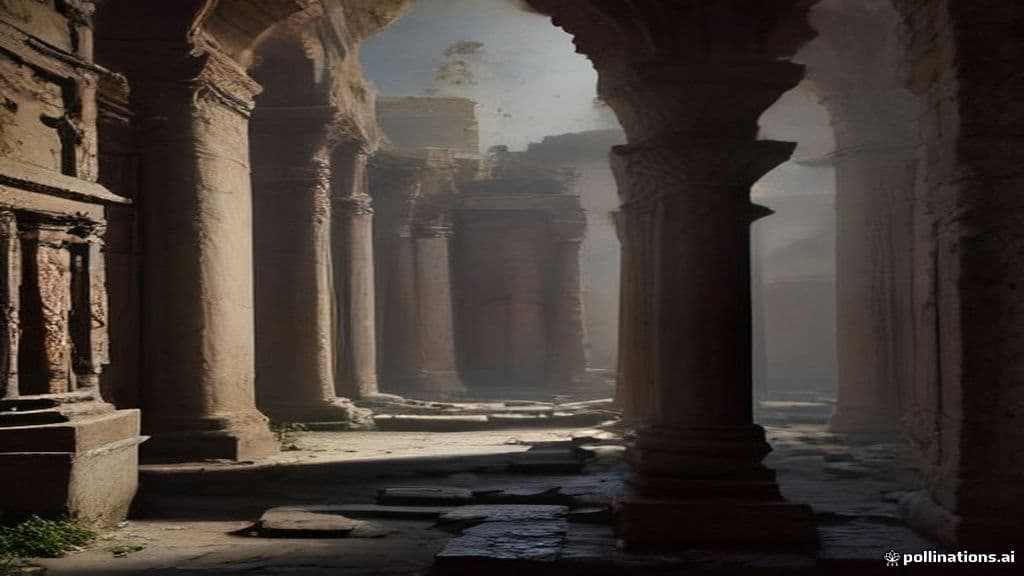
Palmyra (historically Tadmur) is an ancient city in central Syria with archaeological finds that span back to the Neolithic period and documentary mentions from the early second millennium BC. Over its long history the site changed hands among regional powers before becoming a subject of the Roman Empire in the first century AD. The site is principally notable for its archaeological remains — including the urban ruins and surrounding necropolises — which testify to its role in ancient trade networks and imperial politics. The supplied research materials do not present any accounts of paranormal phenomena, named supernatural entities, or folklore tied to the ruins and necropolises of Palmyra. No witness reports, apparitions, sounds, physical effects, or explanatory frameworks (residual hauntings, unquiet dead, etc.) are contained in the provided sources. Likewise, the excerpts do not provide up-to-date information on the site's accessibility or condition; those topics are therefore left as unknown in this record. This entry limits its claims to the archaeological and historical information present in the source material and does not assert any supernatural activity where none is documented in the supplied notes.
Community Record
- [1]Palmyra — Wikipedia. Wikipedia contributors. "Palmyra." Wikipedia, The Free Encyclopedia. Accessed via provided research notes.wiki
- [2]Wikidata: Palmyra Atoll (note: different place). Wikidata entry for Palmyra Atoll; included in research notes but pertains to a different geographic entity and is not used as information about Palmyra, Syria.other
- [3]CBS This Morning archive listing (included in research notes). Archive listing referenced in research notes; no relevant information on Palmyra's paranormal claims.other
- [4]Archive listing: educational document (included in research notes). Archive listing referenced in research notes; not relevant to Palmyra, Syria.other