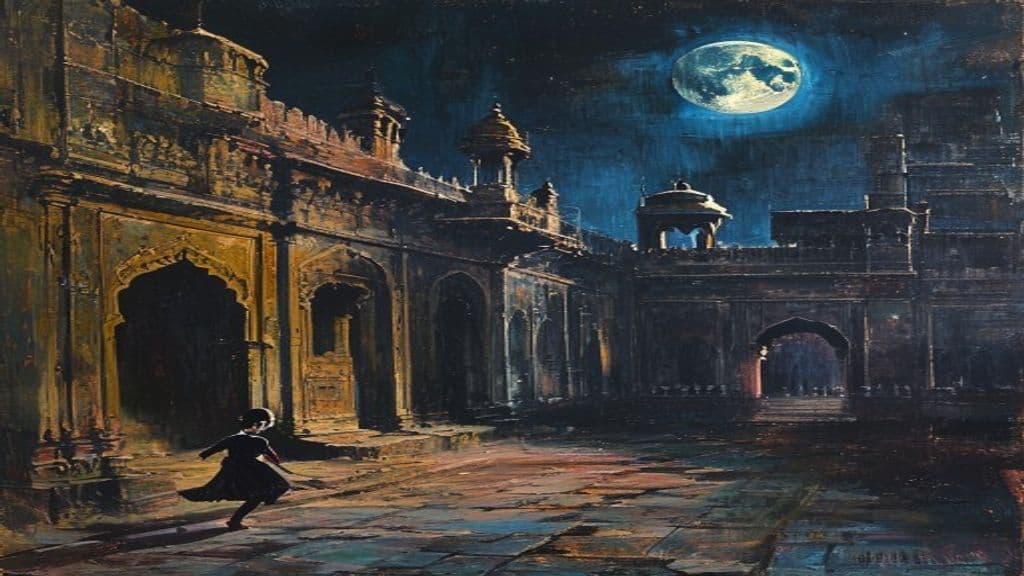
Shaniwarwada Fort was built in 1732 CE as the seat of the Peshwa rulers of the Maratha Empire. On 30 August 1773, the young Peshwa Narayan Rao — aged seventeen — was assassinated within the fort by mercenary soldiers (Gardis) under the orders of his uncle Raghunathrao (Raghoba) and aunt Anandibai. The boy's body was dismembered; his remains were disposed of in the Mutha river, never cremated according to proper Hindu rites (antyesti).
The assassination is one of the best-documented political murders in pre-colonial Indian history. Within weeks, the Maratha chief justice Ram Shastri conducted a formal judicial investigation, found Raghunathrao and approximately fifty others guilty, and issued a verdict — though political power prevented its enforcement.
In Hindu cosmological terms, a soul that dies violently without proper cremation rites cannot proceed to the afterlife; it remains bound to the place of death. Local tradition holds that Narayan Rao's spirit lingers in the fort's ruins. On full moon nights — and some accounts say new moon nights — residents of the surrounding neighbourhood report hearing a young boy's voice crying 'Kaka, mala vachva!' ('Uncle, save me!'). The fort is open daily with a light-and-sound show that narrates the history including the murder.
Community Record
- [1]Assassination of Narayan Rao. Wikipedia, citing Maratha administrative records (18th century) and Ram Shastri's judicial investigation.wiki
- [2]Shaniwar Wada. Incredible India, Government of India official tourism portal.other