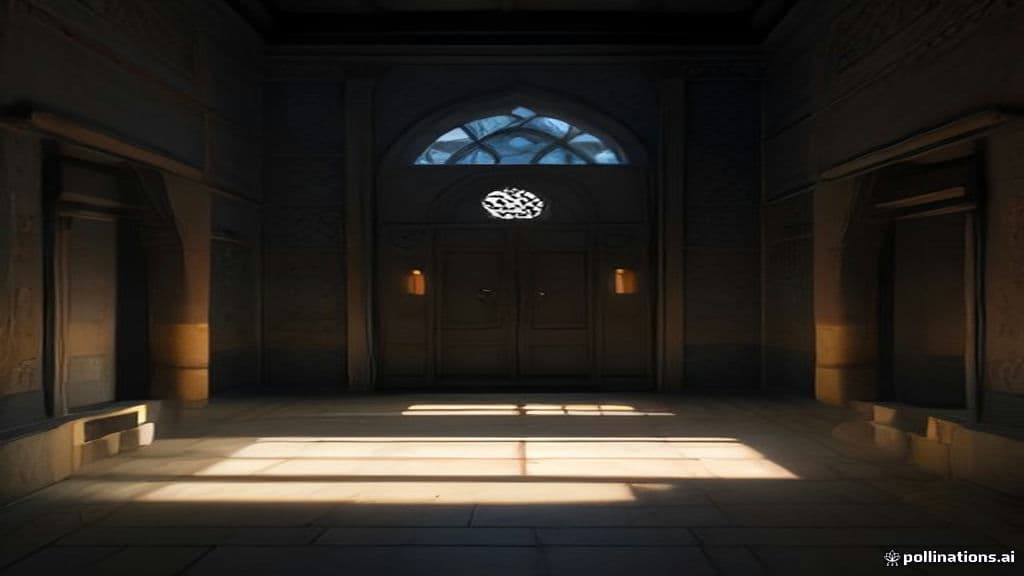
Sidi Yahya Mosque is a historic mud-brick mosque and madrasa in the city of Timbuktu, traditionally dated to construction begun around 1400 and finished circa 1440. It is named after its first imam, Sidi Yahya Tadlesi, and is one of the three great mosques associated with Timbuktu's medieval scholarly community. The mosque complex includes associated saintly tombs and burial grounds that have been important in local Sufi and devotional practice. A widely reported local/Sufi legend holds that a particular door of the ancient Sidi Yahya Mosque must remain sealed and not be opened until an appointed time; opening the door is locally said to precipitate apocalyptic consequences. This belief was recorded in international legal proceedings concerning events during the 2012 Islamist occupation of Timbuktu, which noted the statement: "We heard about a door in the ancient mosque of Sidi Yahya. If it is opened, the Day of Resurrection will begin." News and heritage reports from 2012 describe Islamist fighters attacking or setting upon one of the mosque's doors in actions framed as challenging that legend. During the 2012 occupation several medieval saintly tombs in Timbuktu were reported destroyed by Islamist extremists; contemporaneous reporting and heritage commentary emphasize that these attacks targeted tombs and doors as symbolic assaults on local Sufi traditions. The provided sources focus on the cultural and eschatological significance of the sealed-door legend and on the documented attacks; they do not record firsthand supernatural sightings such as apparitions or poltergeist phenomena. The precise present-day physical condition of the specific door and of all tombs referenced in the 2012 reports is not detailed in the provided material.
Community Record
- [1]Sidi Yahya Mosque - Wikipedia. Wikipedia contributors, 'Sidi Yahya Mosque', Wikipedia, The Free Encyclopedia.wiki
- [2]University of Timbuktu - Wikipedia. Wikipedia contributors, 'University of Timbuktu', Wikipedia, The Free Encyclopedia.wiki
- [3]Court record: Situation in the Republic of Mali (ICC). International Criminal Court, transcript containing reference: 'We heard about a door in the ancient mosque of Sidi Yahya. If it is opened, the Day of Resurrection will begin.'other
- [4]Mali: no evidence of mass looting, but only because of refugee crisis and extremists’ commitment to destruction. Conflict Antiquities blog post reporting on destruction of heritage, including tombs in Timbuktu during 2012.other
- [5]Heritage Destruction: Salafis Eradicating Timbuktu's Greatness (MEI Editor's Blog). Middle East Institute blog post documenting attacks on Timbuktu heritage and references to destruction of saintly tombs and assaults on mosque doors in 2012.other
- [6]Alluring World: Timbuktu. Travel/cultural summary referencing Timbuktu's major mosques and historical significance.other
- [7]New World Encyclopedia: Timbuktu. Reference entry describing Timbuktu's history and its three great mosques.other