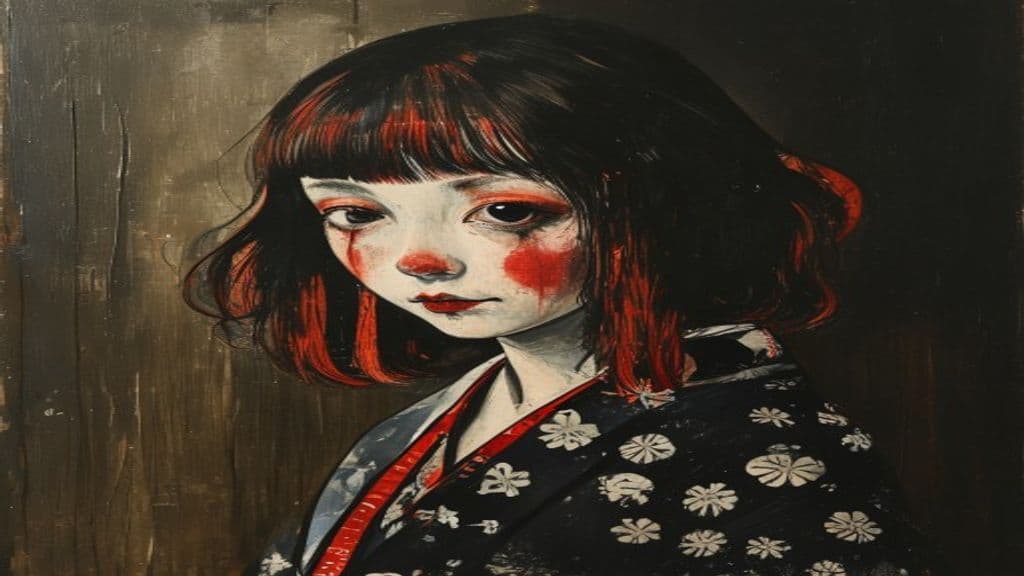
Zashiki-warashi are a well-attested element of Iwate Prefecture's regional folklore, especially around the Tōno area, and have been recorded in early 20th‑century folkloristics collections. Folklorists such as Kizen Sasaki collected hundreds of regional tales and treated zashiki-warashi alongside other domestic deity traditions (e.g., Oshira-sama). Modern sources and tourism materials reference Tōno as a place to encounter zashiki-warashi stories, and contemporary cultural reuse (media, tourism, and digital storytelling) has kept the figure prominent in local identity. The supplied research notes mention a specific named location, the "Sōma family house" in Iwate, and the coastal area of Rikuzen-Takata as sites of interest, but the sources do not provide primary eyewitness reports, detailed incident narratives, or precise geographic coordinates for those named places. As a result, site-level claims are presented here as part of the broader Iwate zashiki-warashi tradition rather than as documented, verifiable hauntings of particular buildings. Interpretations of zashiki-warashi in the sources are primarily folkloric: they are typically described as child-like household spirits known for mischievous pranks and for bringing good fortune to households where they dwell. Scholarly treatments place these beings within a taxonomy of domestic spirits and note overlaps with changeling/shape-changing motifs in older Japanese monster terminology. No forensic or investigative paranormal studies (EMF, EVP, etc.) for the Sōma family house or Rikuzen-Takata locations are provided in the supplied material.
Community Record
- [1]List of reportedly haunted locations in Japan (Zashiki-warashi mentions). Wikipedia, List of reportedly haunted locations in Japan — references to zashiki-warashi locations in Iwatewiki
- [2]Archive of the Sealed Gods — Youkai history and qualities (Kizen Sasaki, Oshira-sama, changeling qualities). Archive of the Sealed Gods, letters-archive/youkai_history — notes Kizen Sasaki's collection work and treatment of household deities and zashiki-warashifolk
- [3]Archive of the Sealed Gods — Youkai qualities (changeling/shape-change context). Archive of the Sealed Gods, youkai_qualities — discussion of changeling qualities in Japanese monster taxonomyfolk
- [4]Yūrei (article referencing zashiki-warashi as mischievous child-ghosts). Yūrei (Wikipedia) — quote: 'The ghosts of children, who are described as mischievous and like pulling pranks on the living.'wiki
- [5]The 20 Most Popular & Scariest Yokai: Japan’s Legendary Demons (Zashiki-warashi entry). Sugoii Japan — 'Zashiki-Warashi. The Zashiki-Warashi are house spirits that take on a child-like form.'other
- [6]Traditional living and first-class cuisine all under one roof in Tono, Iwate (Countryside Stay Japan). Countryside Stay Japan — discusses Tōno area's promotion of zashiki-warashi folklore to visitors: 'Visitors can discover more about Tono's zashiki-warashi.'other
- [7]NFT-DAO Initiative: Pioneering Local Revitalization (digital storytelling mention). NFT-DAO Initiative research — references contemporary digital storytelling and branding uses of zashiki-warashiother
- [8]wikiplot_558 (popular yokai/folklore compilation). Wikiplot compilation referencing cultural mentions of zashiki-warashiother