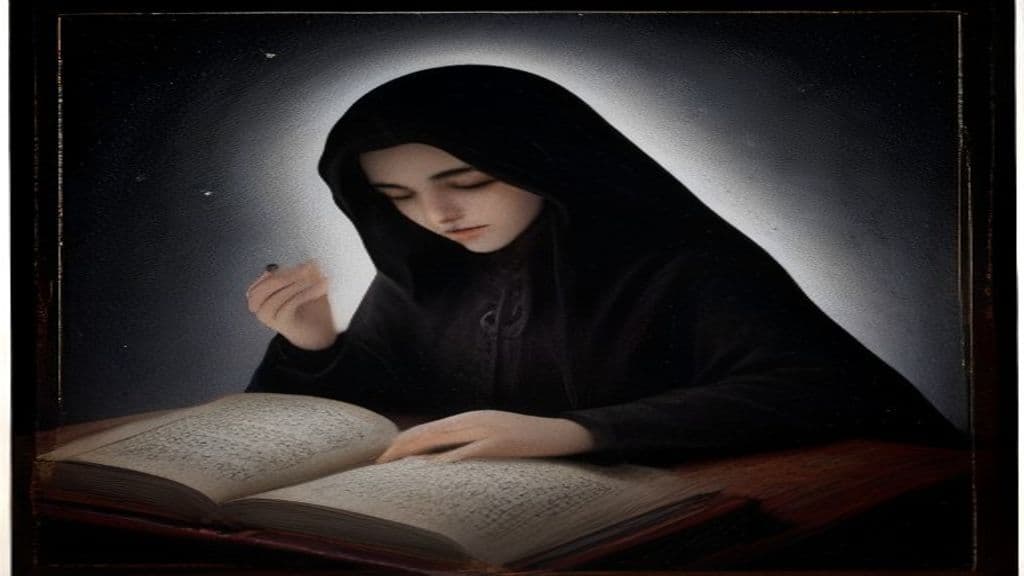
Within the Sufi tradition, regular performance of dhikr brings the practitioner closer to God, cultivates God-consciousness (taqwa/awareness), purifies the nafs (tazkiyat al-nafs), and can produce states of devotional absorption (including, in some orders, ecstatic states) that facilitate spiritual progress.
Dhikr (remembrance) is a broad category of Islamic devotional practice, particularly developed and systematized within Sufism. It comprises repeating short phrases, names of God, Quranic supplications, or hadith-derived formulas. Dhikr may be performed individually for private meditation or collectively in a tariqa setting; collective ceremonies that emphasize listening, music, poetry and movement are often termed sama. Different Sufi orders prescribe particular modalities (posture, breathing, movement, and sequences of invocations) transmitted within their silsila (lineage). Though commonly devotional and transformative in aim, debates exist within the tradition about methods that produce trance or ecstatic absorption and whether such states are an intended or acceptable outcome. The sources collated here present general forms and functions rather than a single prescriptive liturgy.
- 01Choose dhikr modality: individual silent dhikr, individual vocal dhikr, or collective/group dhikr (sama) as appropriate to one's context or tariqa affiliation.
- 02Select the invocation content according to tradition or teacher: e.g., repetition of a divine name (ism), a short Quranic supplication, or a hadith-derived formula (sources note that dhikr usually includes names of God, Quranic supplications, or prophetic phrases).
- 03If counting repetitions, either use the fingers or a string of prayer beads (misbaha/tasbih) to mark each recitation (Wikipedia: counting may be done with fingers or beads).
- 04Assume the physical posture prescribed by one's order or personal practice (standing, sitting, walking, or specific embodied positions as used in some tariqas) and adopt any breathing pattern taught by a teacher (sources report that some orders prescribe particular posture and breathing).
- 05Begin the repeated recitation aloud or silently, maintaining the specified number of repetitions or duration as taught by the teacher or customary practice (sources emphasize repetition of short phrases or prayers).
- 06If performing communal dhikr/sama, follow the group's coordinated elements: listening, singing or chanting, possible instrumental accompaniment, poetry recitation, and any synchronized movement or attire customary to that ceremony (Keyserling documentary reference; Broken Mystic).
- 07Conclude according to the order's custom: stop after the taught number of repetitions or at the teacher's cue, and perform any closing phrases or supplications customary in the tariqa (sources indicate order-specific forms and transmission).
- ⚠Avoid performing order-specific or teacher-prescribed forms of dhikr without guidance from one’s tariqa teacher, as some orders consider unauthorized forms inappropriate (inferred from sources noting order-specific norms and debates).
- ⚠Exercise caution with methods intended to induce trance or ecstatic states if one’s tariqa or teacher warns against such outcomes (sources note intra-Sufi debate, especially regarding Naqshbandi concerns about trance).
Community Record
- [1]Dhikr. Wikipedia, article 'Dhikr' (accessed via provided corpus).wiki
- [2]dhikr (Wikidata). Wikidata entry for dhikr (referenced in corpus).wiki
- [3]Sufism: A Journey Into the Heart of Islam | Broken Mystic. Broken Mystic blog post on Sufism describing dhikr and sama (referenced in corpus).other
- [4]Women of Islam and Sufism (excerpt). Women of Islam and Sufism (chapter excerpt) discussing tazkiyat al-nafs and remembrance (referenced in corpus).other
- [5]Various Shorter Texts (1) by Shaykh Gibril Haddad (excerpt). Shaykh Gibril Haddad excerpt addressing Naqshbandi practice and debate over trance (referenced in corpus).other
- [6]Arnold Keyserling On Trance Consciousness And Dancing (documentary reference). Keyserling documentary reference describing sama as a dhikr ceremony involving listening, music, dance and attire (referenced in corpus).other
- [7]Archive recordings and labels referencing dhikr. Archive item labels and uploads referencing dhikr ceremonies and programming (referenced in corpus).other