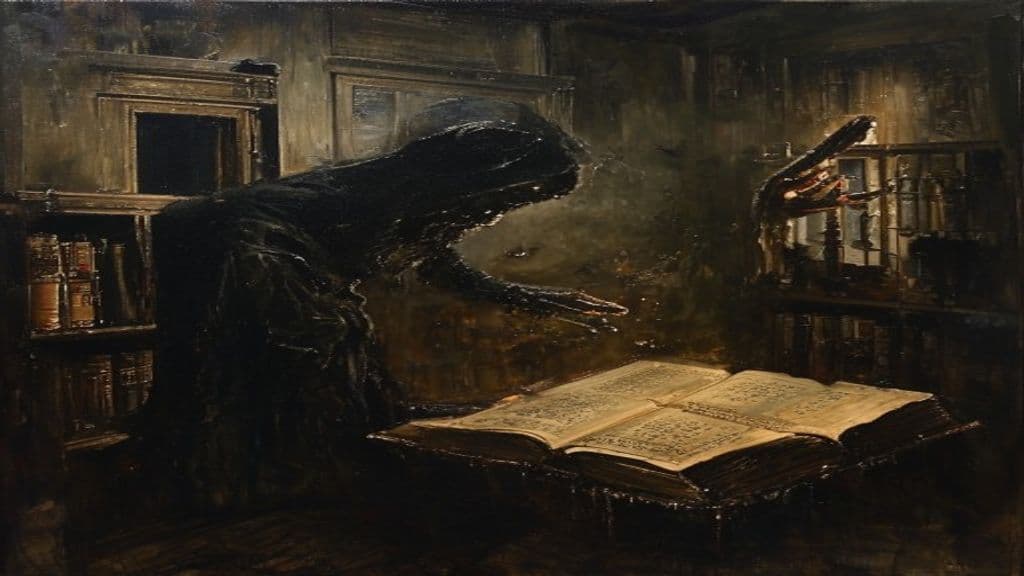
Within the tradition, performing an exorcism causes the dybbuk — the displaced soul of a dead person — to leave the host body, either after it has accomplished its perceived goal or as a result of the exorcism rites.
Dybbuk belief and associated exorcisms are found in Jewish mythology and in some practices influenced by Kabbalistic and folk-religious contexts. A dybbuk is understood as a malicious possessing spirit, specifically the dislocated soul of a deceased person that can attach to and inhabit a living person. The short account in the provided source situates exorcism as the means by which such a spirit can be compelled to depart the host. The source does not provide detailed liturgy, procedural steps, materials, or specifications about who must perform the rite; it frames the phenomenon and outcome but leaves procedural details unspecified. As presented in the source, the rite's role is to restore the affected person's bodily autonomy by prompting the dybbuk to leave, sometimes after the spirit's alleged goal has been achieved or following the performance of exorcistic measures.
- 01Unavailable in the provided source: no specific, sourced step-by-step procedure, liturgy, or sequence is recorded in this dataset.
- ⚠Unavailable in the provided source: no documented contraindications, risks, or conditions for performance are provided in this dataset.
Community Record
- [1]Dybbuk. Wikipedia, entry 'Dybbuk' (accessed via provided source link).wiki