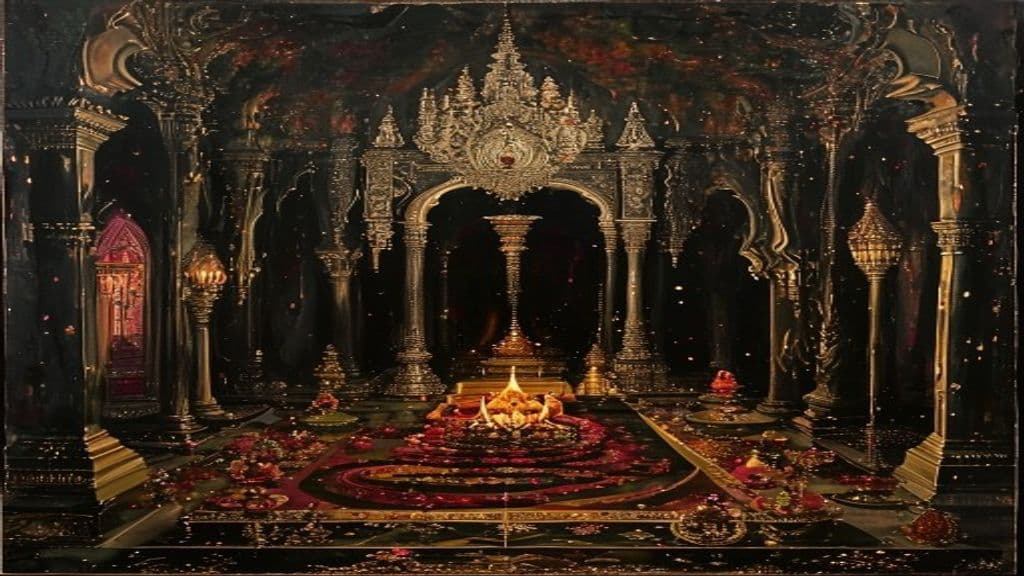
Within the tradition, performing Griha Pravesh at an auspicious muhurat with deity invocation and prescribed puja rites purifies the house, removes or neutralizes negative or impure energies, secures the blessings and protection of deities (commonly invoking Ganesha), and aligns the household with favorable astrological/Vastu conditions to promote prosperity, peace, and well-being.
Griha Pravesh (also called Griha Shanti Puja or Gruha Pravesam) is a house-entering and house-purification ceremony in Hindu domestic practice. It is commonly performed when moving into a new home or to ritually inaugurate habitation. The ritual is typically scheduled at an auspicious date and time (muhurat) determined by jyotisha/astrology; some practitioners will avoid sutak or eclipse periods. While there is no single canonical pan-Indian liturgy quoted in the provided sources, common elements across sources include engagement of a qualified priest or pandit (or household performance guided by a priest), invocation of auspicious deities (Ganesha is commonly invoked at the start), and optional or adjunct Vastu Shanti or Navagraha Shanti rites when architectural faults or adverse planetary influences are a concern. The ceremony functions both cosmologically — by invoking deities, performing purification rites, and aligning with favorable temporal forces — and socially, by ritually legitimizing and celebrating household occupation. Regional and sectarian variations affect specific mantras, offerings, and choreography; detailed mantra texts and exact procedural sequences are contained in specialized manuals such as Vastu Puja Paddhati but are not reproduced in the provided excerpts.
- 011. Determine an auspicious date and muhurat for the Griha Pravesh using an astrologer/pandit or an astrological calendar; avoid performing during sutak or eclipse periods when tradition advises (muhurat selection is central to scheduling).
- 022. Engage a qualified pandit/priests or arrange for an online/remote puja service if local priestly assistance is not available; household members commonly participate and may perform parts under the priest's guidance.
- 033. Prepare the house and puja space per the priest's instructions (cleaning the premises and allocating a central place for the puja) in advance of the muhurat.
- 044. At the appointed muhurat, commence the puja with invocation of auspicious deities; commonly invoke Lord Ganesha at the start as remover of obstacles and to bless the new household (Ganesha is usually invoked, though local practice varies).
- 055. Perform general purification rites and offerings as conducted by the priest (the sources attest that standard puja actions and offerings are made, but do not provide verbatim mantras or a complete sequence in the provided excerpts).
- 066. Where applicable and as advised by the priest or local custom, include Vastu Shanti procedures to address Vastu-related concerns and/or Navagraha Shanti rites to neutralize adverse planetary influences; these adjunct rites are included per local need and priestly guidance.
- 077. Conclude the ceremony with blessings for prosperity and peace for residents, and any customary social/celebratory actions such as inviting guests or performing household-specific rites; the specific concluding acts depend on regional custom and priestly instruction.
- ⚠Do not perform the ceremony outside an auspicious muhurat or during sutak/eclipse periods as advised by tradition; sources emphasize selecting an auspicious time.
- ⚠If not guided by a qualified priest, be aware that the provided sources stress use of experienced pandits and textual manuals for correct procedure—incorrect performance is implied to be improper or ineffective (specific harms are not enumerated in the sources).
Community Record
- [1]Grihapravesha. Wikipedia: Grihapravesha — summary description of house-entering ceremony, purpose, and timing (muhurat).wiki
- [2]What is Online Pooja Service? Complete Guide for Beginners. Archive: discusses online pooja services, booking verified pandits, and framing Griha Pravesh as removing 'negative energy' (service-oriented descriptions).other
- [3]Vastu Puja Paddhati Prakash (Griha Pravesh Karma Vidhi) Hindi Commentary. Archive listing of a Vastu Puja commentary that is cited as a procedural/textual source related to Griha Pravesh (title indicates detailed ritual manual exists though contents were not quoted).other
- [4]Daily puja mantra at home in hindi (site blurb). Blurb noting that Lord Ganesh is usually regarded/invoked in Griha Pravesh puja (source used to support common invocation of Ganesha).other
- [5]Top Pooja Services in India, Best Pooja Booking Services. Directory and listings referenced for modern puja/booking services and the commercial adaptation of household pujas.other
- [6]Griha Pravesh Muhurat 2025: Dates, timings, essentials for puja and more!. Contemporary guidance emphasizing the importance of muhurat selection and scheduling for Griha Pravesh ceremonies.other
- [7]Vastu Shanti Puja: Meaning, Significance, Benefits, Muhurat, Puja Vidhi, & More. Discussion of Vastu Shanti as a related domestic ritual addressing Vastu concerns and promoting peace and prosperity, commonly associated with house rituals.other
- [8]Eclipse Tracker | Swara Yoga. Resource used to illustrate the relevance of sutak/eclipse timing in domestic ritual scheduling (timing considerations referenced in sources).other
- [9]Navagraha: The Nine Planets in Indian Culture, Astrology, Temples & Rituals Explained. Background on Navagraha practices and how Navagraha Shanti puja may be adjunct to Griha Pravesh when planetary remedies are required.other