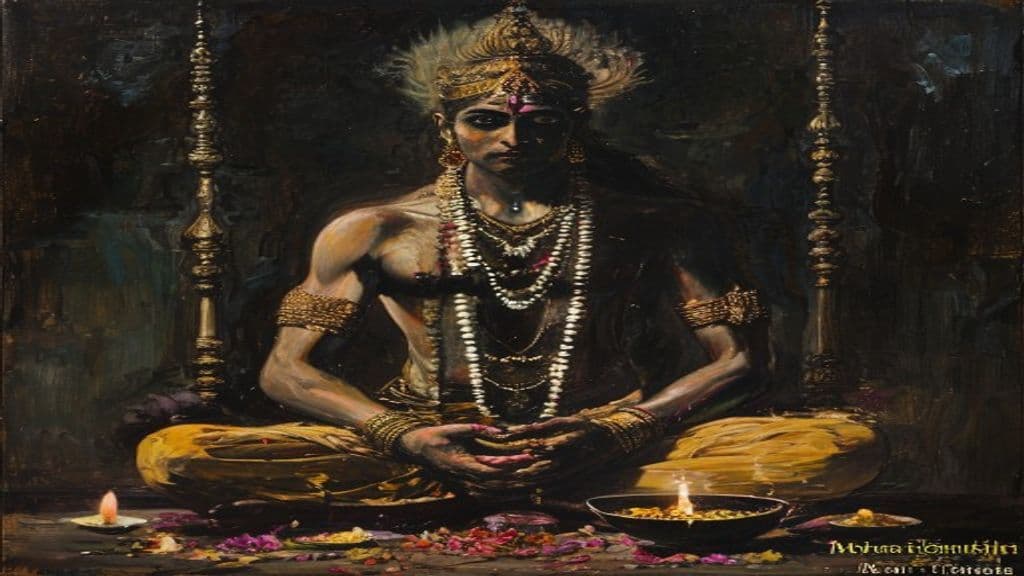
According to the tradition as described in the cited sources, performing Narayan Bali is intended to liberate the souls of family members who met untimely deaths, and performing Nag Bali is intended to absolve the sin (ritual/cosmic consequences) of killing a king cobra.
Narayan Nagbali is presented in the available sources as a three-day remedial ritual performed at the temple site of Trimbakeshwar in the Nashik District. The sources frame the ritual complex as addressing two distinct concerns: Narayan bali for liberation of souls of family members who died untimely deaths, and Nag bali for atonement of the sin of killing a king cobra. Contemporary descriptions group Narayan Bali with other remedial or dosha-nivaran (flaw-removal) practices offered at Trimbakeshwar (for example, Kalsarp Puja), presenting these rites as part of a broader 'spiritual healing' process. The excerpts supplied do not provide liturgical text, a verbatim sequence of rites, lists of ritual implements, or a named class of officiants; they record only the duration (three days), place (Trimbakeshwar), and stated remedial aims.
- 01Day count: The ritual is described in sources as a three-day ritual performed at Trimbakeshwar; the sources do not provide further step-by-step liturgical actions, mantras, or sequential procedures.
- 02Procedure unavailable: No specific prayers, mantras, physical actions, or order of rites are documented in the provided sources; therefore no additional procedural steps can be reliably recorded from these materials.
- ⚠None stated in the provided sources. The excerpts do not document specific contraindications, risks, or conditions under which the ritual should not be performed.
Community Record
- [1]Narayan nagbali. Wikipedia, entry 'Narayan nagbali' (accessed via provided research notes).wiki
- [2]Spiritual Remedies For Dosha Nivaran At Trimbakeshwar Temple. Archive.org excerpt, 'Spiritual Remedies For Dosha Nivaran At Trimbakeshwar Temple' (accessed via provided research notes).other