
Within the tradition, carved runes and staves function as durable signs that invoke protection, effect magical operations, memorialize the dead, or shame/banish enemies: the written sign itself, often combined with spoken activation or Christian prayer, is believed to produce the intended protective, devotional, or punitive effect.
Runic carving (Old Norse runa/rún, pl. rúnar) denotes the practice of cutting or inscribing runes into stone, wood, bone, plaster or other surfaces. In the Viking Age and medieval period runic inscriptions are commonly memorial or communicative (raised stones, tomb inscriptions), sometimes integrated with ornament (animal ribbons, crosses) and occasionally combined with Christian prayer formulae in church contexts. In later Icelandic manuscript and folk-magic traditions a related corpus of symbols called galdrastafir (magical staves) appears: these compose sigils and stave-forms used in folk sorcery for warding, invoking, or cursing. Sources indicate that many staves include a spoken activation element and that manuscripts blend runic signs with Christian prayers and Norse mythic references. Archaeological and textual evidence comes from carved runestones, sticks with runic and Latin inscription, church plaster inscriptions, and Icelandic grimoires; however, no single unified liturgy or fully detailed ritual procedure for carving and activating a specific Algiz/Elhaz ward stave is preserved in the provided excerpts. Practices vary by period and context: memorial runestones were typically commissioned and executed by runemasters or literate artisans, while galdrastafir circulate in manuscript collections and folk practice where practitioners may draw, carve, or paint staves and utter activation words.
- 01Choose the appropriate inscription context and surface — e.g., stone slab or runestone for memorial inscriptions; wood, bone or stick for vernacular objects; plaster or church material for liturgical graffiti; drawn media (paper, parchment, skin) for Icelandic galdrastafir — based on the intended function (memorial, devotional, warding, curse) (source 1, source 4, source 9).
- 02Arrange the text or stave-design in a visible sequence — historic runic inscriptions are arranged in ribbons or rows and often integrated with ornamentation (animal forms, crosses); galdrastafir are laid out as composed sigils according to manuscript exemplars (source 1, source 9).
- 03Prepare tools and implement the carving or drawing — archaeological practice implies use of cutting implements for stone or wood; where staves are recorded in manuscripts they may be drawn or painted. The use of chisels/knives for carving is inferred from material evidence though specific tool lists are not preserved in the provided excerpts (source 1) (uncertain).
- 04Carve or inscribe the runes/stave precisely following the chosen sequence — for runestones carve the runic text in ordered rows/ribbons and add ornament; for galdrastafir copy the sigil form as in manuscript exemplars; for níðstöng-type curse poles inscribe the runes on the wooden pole according to the chosen formula (sources 1, 6, 9).
- 05If present in the tradition, add accompanying imagery or Christian prayer text — some medieval inscriptions combine runes with crosses or prayer fragments (e.g., Oslo stick fragment: “Hold thy sacred Lord hand over Brynjolvs...”), and many galdrastafir manuscripts blend prayers with sigils (source 4, source 9).
- 06Activate the stave aloud if the exemplar specifies spoken elements — many descriptions of galdrastafir note that staves included a spoken activation; the exact words for specific Algiz/Elhaz activations are not preserved in the provided excerpts, so the practitioner would recite whatever formula the manuscript or local tradition prescribes (source 9) (uncertain).
- 07Place or erect the inscribed object in its intended location — memorial runestones are raised publicly; protective staves are placed upon or near the object/person/place to be guarded; níðstöng (shame-pole) is erected to perform its social/curse function (sources 1, 6, 9).
- ⚠No explicit ritual contraindications are preserved in the provided excerpts; sources do not supply recorded prohibitions or technical warnings about incorrect performance (uncertain).
- ⚠Social/ethical constraint: practices like níð (shaming/curse-pole) carry social and moral consequences in historical contexts and would be sensitive actions within the community (source 6) (probable).
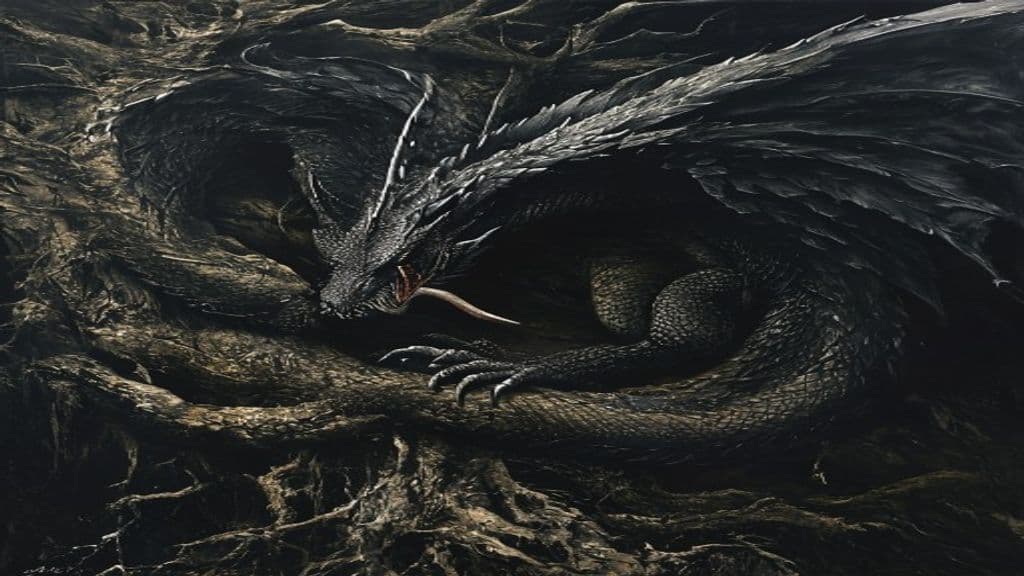
Níðhöggr
The corpse-gnawing dragon coiled around the roots of Yggdrasil, ceaselessly chewing the World Tree — and destined to survive Ragnarök and carry the dead on its wings.
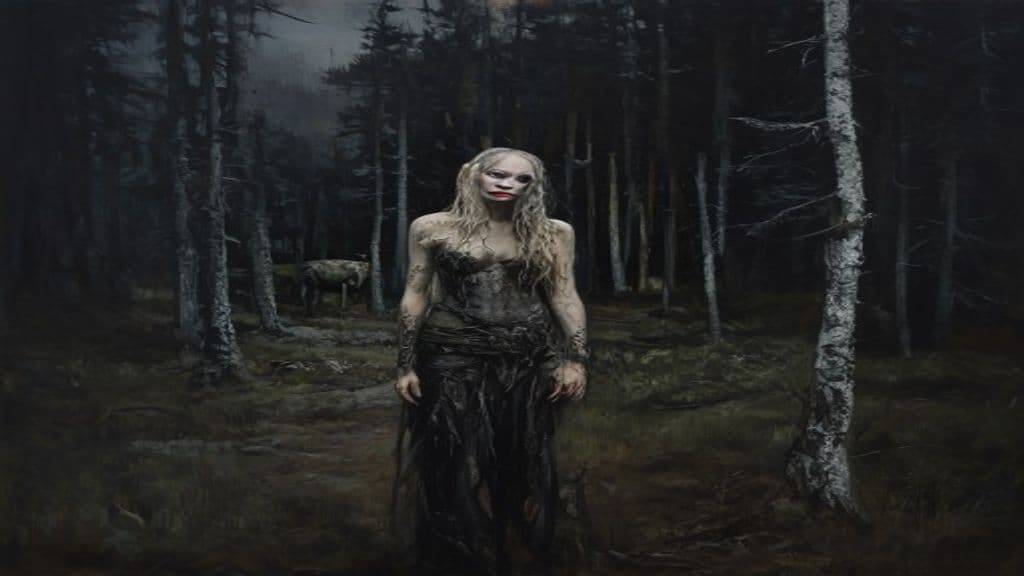
Huldra
A seductive forest spirit of Scandinavian folklore — beautiful from the front but with a cow's tail or hollow back — who lures men into the wilderness, sometimes to their ruin.
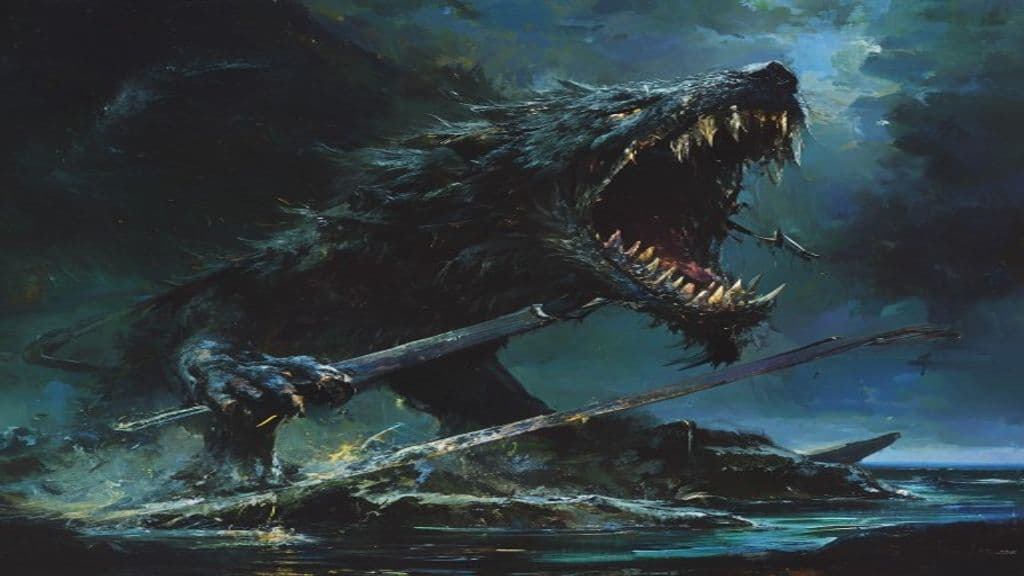
Fenrir
The monstrous wolf son of Loki, bound by the gods with a magical ribbon until Ragnarök — when he will break free and swallow Odin, and the world.
Community Record
- [1]Runic carving (Wikipedia). Wikipedia entry 'Runic carving' — overview of runic inscriptions, surfaces, and memorial function.wiki
- [2]A Guide to Galdrastafir, Icelandic Stave Symbols and Runes. Guide to Iceland — description of Icelandic magical staves (galdrastafir), manuscript corpus, and note that many staves included a spoken element.folk
- [3]Stick with Norse and Latin runes found in Oslo – The History Blog. History Blog reporting on an Oslo stick combining Norse runes and Latin prayer fragment ('Hold thy sacred Lord hand over Brynjolvs...').other
- [4]How to Make a Níðstöng, Part Two | The Norse Mythology Blog. Discussion of níðstöng practice and references to rune-using curse poles and scholarly transcriptions (MacLeod and Mees referenced).folk
- [5]The Bryggen runic inscriptions (collections/download). Bryggen corpus materials and studies noting runic inscriptions on wooden objects in a medieval trade context.academic
- [6]Icelandic Magical Staves: Symbols of the Old Magic | Guide to Iceland. Guide to Iceland overview of galdrastafir manuscript corpus blending runic magic, Christian prayers, and folk remedies.folk
- [7]Hurstwic: Viking Language, Runes, and Poetry. Contextual information on runes and the meaning of the word rune (to carve/cut).other