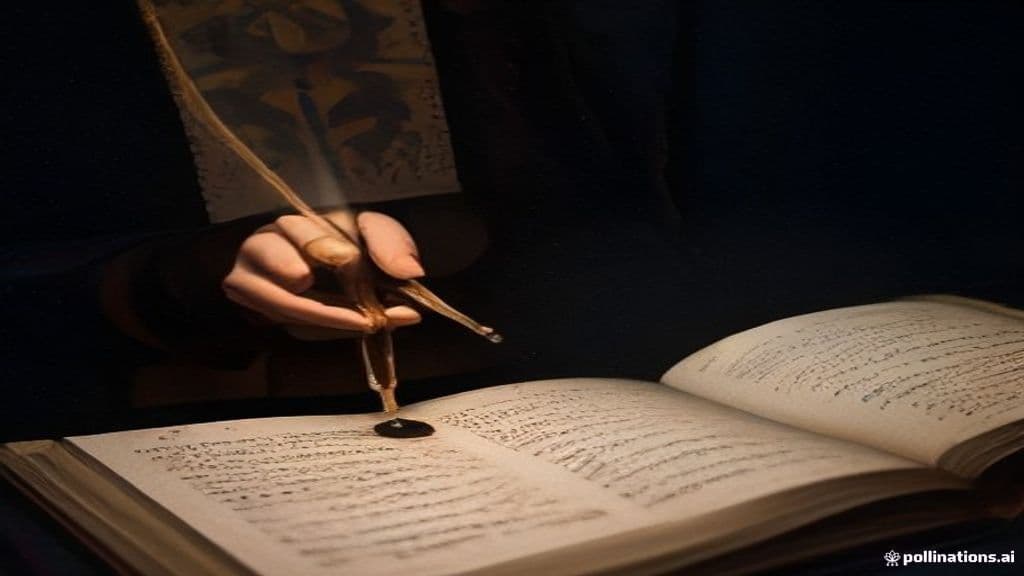
The supplied sources do not record any tradition-specific claim about the effects of a combined holy-oil-and-incense anointing rite. The materials provided attest only that incense produces fragrant smoke used in worship and that the tabernacle included an altar of incense associated with God's dwelling.
The available documentation does not contain a procedural or liturgical description of a ritual called "Combining of Holy Oil and Incense." What is documented in the sources are two distinct strands: (1) a general definition and uses of incense — an aromatic material producing fragrant smoke used for aesthetic, worship, meditation, and ceremonial reasons; and (2) a description of Israelite/tabernacle furnishings and roles — the tabernacle contained items such as a lampstand, table, bread, altar of incense, and ark of the covenant, and priests maintained the interior while Levites handled setup and transport. The sources therefore place incense in a worship/ritual sensory context and situate an altar of incense within the tabernacle cult, but they do not provide any liturgical name, text, steps, materials list that includes holy oil, or claims about a combined oil-and-incense unction ritual in a Coptic or other Christian liturgical corpus. Any specific rite combining oil and incense, its texts, or claimed effects would be extrapolation beyond these sources.
- 01No steps are attested in the supplied sources. The provided materials do not contain a step-by-step procedure, prayers, or liturgical formulae for a combined oil-and-incense anointing rite.
- ⚠No contraindications or risks are listed in the supplied sources for combining oil and incense; the sources do not provide ritual purity rules, safety cautions, or prohibitions related to such a rite.
Community Record
- [1]Incense. "Incense is an aromatic biotic material that releases fragrant smoke when burnt. The term is used for either the material or the aroma. Incense is used for aesthetic reasons, religious worship, aromatherapy, meditation, and ceremonial reasons. It may also be used as a simple deodorant or insect repellent."wiki
- [2]Read the Bible for Yourself 6: How to Read the Law (notes). "Inside the tabernacle was a lampstand, table, bread, alter of incense, and ark of the covenant." "Priests maintained the inside of the tabernacle. They butchered animals" "The Levites set up, tore down, and transported the tabernacle (Num 18:21-24)." "The tabernacle is where God dwelled and where the people made animal sacrifices."other