
Medieval Zoroastrian tradition and later summaries present Adur Burzen-Mihr as an ancient consecrated Great Fire. The Middle Iranian name combines adur/ādur (ʻholy fireʼ) with Burzēn-Mihr, a Parthian personal name meaning roughly ʻExalted is Mihrʼ; sources treat the compound as naming the consecrated fire and likely reflecting an eponymous founder or patron, though the identification of Burzēn-Mihr as an historical founder remains uncertain in the texts. Legendary accounts recorded in works such as the Bundahishn describe the fire as moving in the world and protecting it until the reign of King Vishtasp, marking the fire's role in mythic history rather than providing verifiable historical provenance.
The surviving sources describe Adur Burzen-Mihr in institutional and locational terms (an Atash Behram and a temple/shrine on a mountain) rather than providing detailed iconography or a physical description of the flame or building. Later Persian epic literature (Shahnameh) uses the fire's name metaphorically as a simile for fierceness; no primary source in the provided materials preserves stepwise architectural or visual detail of the flame or temple.
In medieval and later tradition the fire functions as a consecrated, protective and efficacious cult object: texts assert that the fire ʻwas moving in the world and was protecting itʼ (Bundahishn/Historical tradition) and later summaries record legends of miracles and healings associated with Adur Burzen-Mihr analogous to those of the other Great Fires. Its agency is cultic and protective rather than hostile; it is the focus of pilgrimage, royal gifts, and social association (notably with the farmer class). These attributes are those of religious and legendary tradition rather than empirically documented supernatural operations.
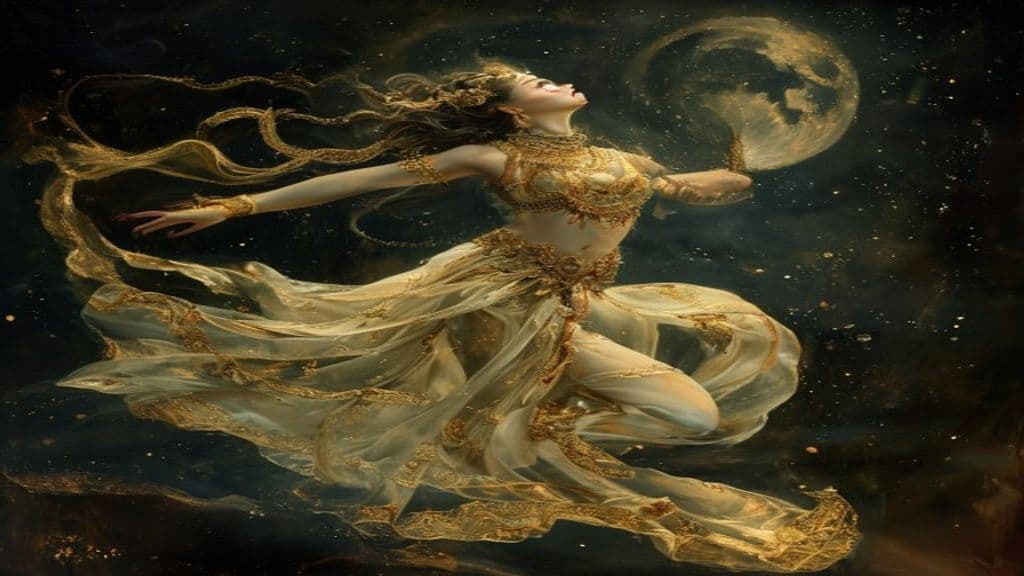
Apsara
Celestial dancers and water nymphs of Hindu cosmology — beautiful semi-divine beings who dance at the court of Indra and, by his command, descend to earth to distract sages from excessive asceticism.
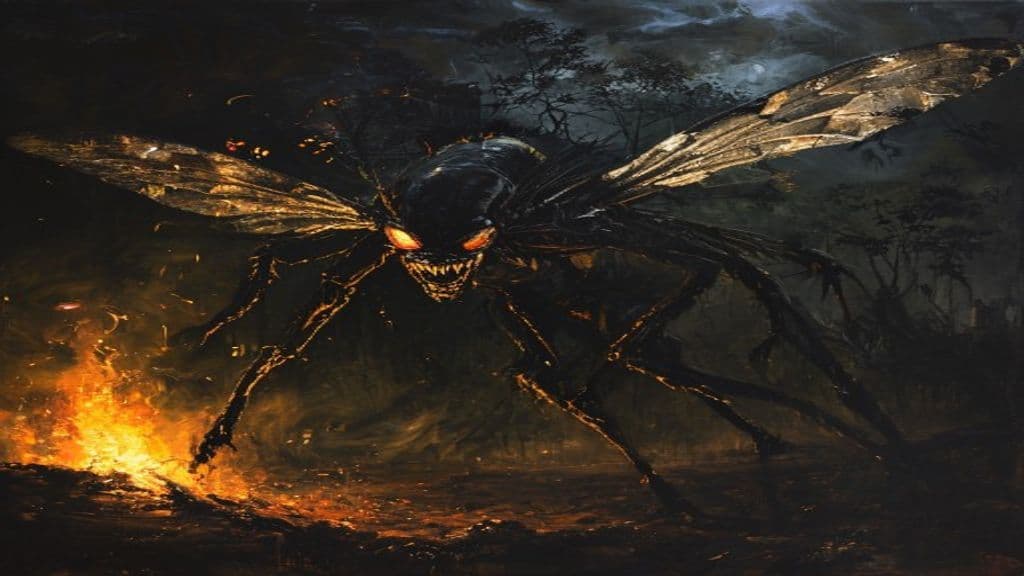
Adze
A vampiric firefly of the Ewe people of West Africa — a spirit that takes the form of a firefly by night and a malicious possessing being by day, drinking the blood of sleeping children and spreading disease.
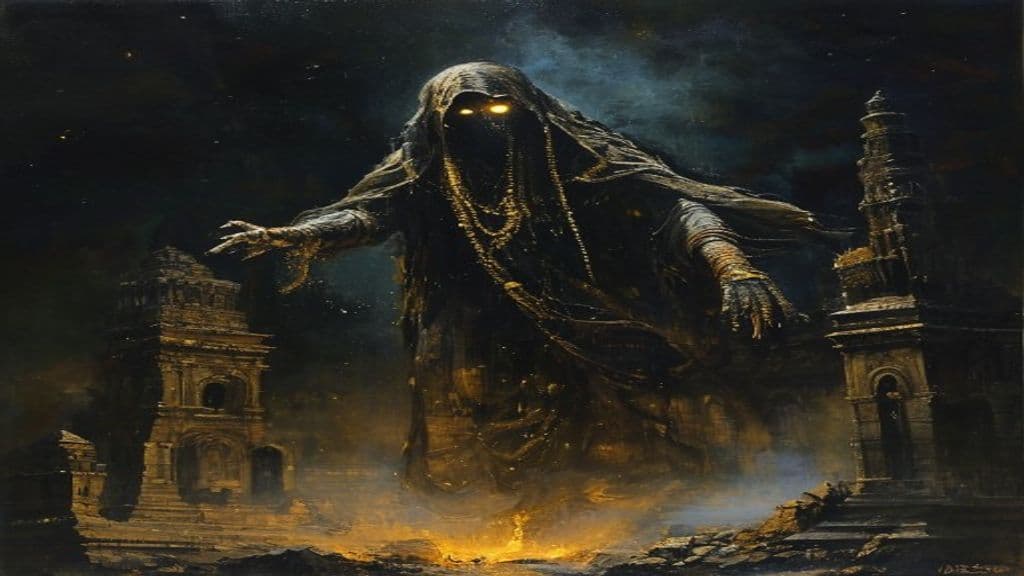
Brahmarakshas
The most learned and terrible of spirits — the ghost of a Brahmin who misused his scriptural knowledge in life and was condemned after death to be both demon and scholar, haunting places of learning.
Community Record
- [1]Adur Burzen-Mihr (Wikipedia). Wikipedia, 'Adur Burzen-Mihr' entrywiki
- [2]Bundahishn and Fire & Light in Zoroastrianism (Heritage Institute). Heritage Institute, 'Fire & Light in Zoroastrianism' and regional pages on Khorasanother
- [3]Fire Temple (World History Encyclopedia). World History Encyclopedia, 'Fire Temple' (discussion of great fires and associated miracle legends)other
- [4]Pahlavi lexical list (Zoroastrian Association). Zoroastrian Association UK, Pahlavi vocabulary listing terms such as adurgah, adur, and named fires including Burzenmihrother
- [5]Wikidata: Adur Burzen-Mihr. Wikidata entry for Adur Burzen-Mihrwiki