
Ahura is not a single origin mythic figure but a classificatory term inherited from an earlier Indo‑Iranian religious context. Linguistically derived from Proto‑Indo‑Iranian *Hásuras and attested in Avestan as ahura, the term originally meant 'lord' and identified a class of sacred lords in a shared prehistoric divine taxonomy related to Vedic uses of 'asura'. In the development of Zoroastrian tradition the ahura category came to mark the sanctioned side of the divine order: adherents are enjoined in the Gathas and in creedal formulas (e.g., the Fravaraneh) to honor the ahuras and to reject the daevas, thereby defining communal allegiance in terms of acceptance of the ahura order rather than by a narrative birth or single cosmogonic genealogy (Source 1).
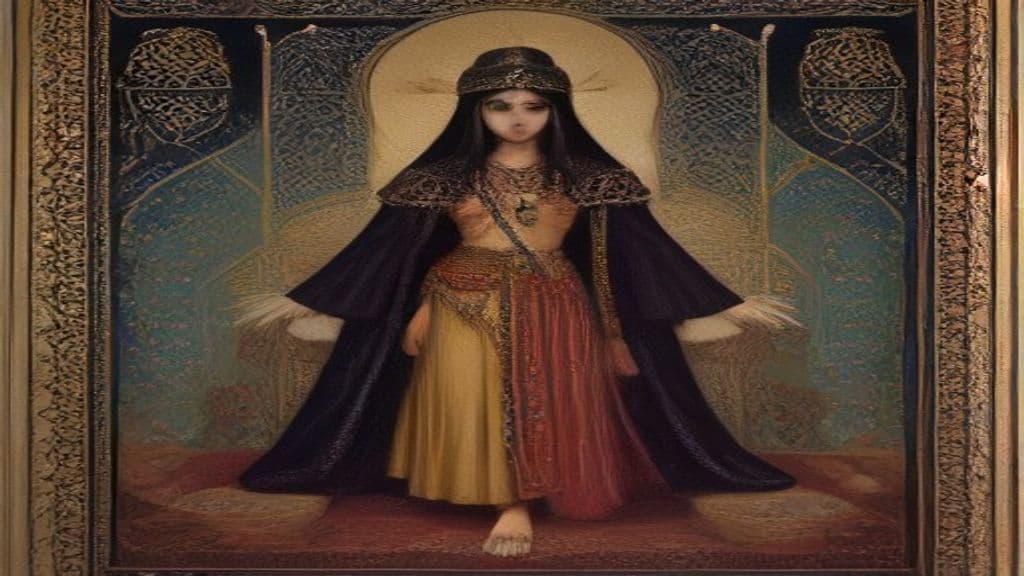
As a class-term, ahura does not carry a single, unified iconography in the cited material; the sources treat ahura primarily as a theological and liturgical designation rather than as a descriptive label for bodily form. The available texts do supply exalted, hymnic language for individual ahuras—most notably Ahura Mazda, who is praised in the Yasna as 'the greatest of all' and is presented in later summary accounts as the supreme, unbegotten Being—but the provided excerpts do not offer consistent mythic descriptions of physical appearance for ahuras collectively. Thus while specific named ahuras may receive distinctive religious representation in various texts and later visual traditions, the primary evidence in the cited materials is that 'ahura' functions as a status-term applied to particular divinities rather than as a shared set of iconographic features (Sources 1, 10, 11).
The ahuras, as the divinities to whom reverence is due, occupy liturgical, providential, and cultic roles in Zoroastrian scripture. Functionally, they are the sanctioned gods of the Zoroastrian religious order and are invoked and praised in hymnody and ritual speech; this status implies beneficence, moral authority, and suitability as objects of worship. In the Younger Avesta the ahura label is applied to named high divinities—Ahura Mazda, Mithra, and Apam Napat are grouped as an 'ahuric triad'—and many Amesha Spentas and notable yazatas are treated as ahuric figures with specialized functions (for example, Anahita in relation to waters; Ashi in relation to reward). Hymns in the Yasna attribute providential and creative functions to Ahura Mazda and instruct reciters to praise and address him, while secondary summaries portray Ahura Mazda as the supreme, creator‑apex figure (Sources 1, 10, 11).
Weaknesses
- otherNone attested in cited sources (ahuras are sanctioned and reverenced; warding is directed at daevas)
Wards
- otherNone attested in cited sources (ahuras are objects of veneration rather than threats to be warded off)

Ahura Mazda
Ahura Mazda is the principal deity of Zoroastrian tradition, invoked as the supreme source of goodness and wisdom who instructs Zoroaster and commands helper spirits (yazatas). Historically attested in Achaemenid royal inscriptions, Ahura Mazda occupies a central role in Zoroastrian liturgy (notably the Yasna) and in various Iranian religious formulations.

Apam Napat
Persian deity associated with water, creation, and the natural world. (Note: 1. Power tier: Apam Napat is mentioned in the Rig Veda, which is an Indo-Iranian text, but he is not described as a cosmic creator figure; rather, he is specifically credited with creating all things.)

Anahita (Arədvī Sūrā Anāhita / Ardwisur Anāhīd)
Anahita is a worship-worthy divine figure (yazata) in Iranian religious tradition, attested in the Avesta and later Middle Persian texts, who personifies the waters and the mythical heavenly river and is associated with fertility, procreation, wisdom, and (in later syncretic forms) martial success and the planet Venus.
Daeva
In Zoroastrian and Iranian tradition, a daeva (Avestan daēuua) is a class of supernatural being that the Zoroastrian revelation repudiates; in the oldest texts they are 'gods that are (to be) rejected' and in later tradition they come to be depicted as divinities promoting chaos and, ultimately, as personifications of evil.

Asura
Asura (Sanskrit: असुर) are a class of supernatural beings in Indian religious traditions. In Hinduism they are described as power-seeking beings related to, and often oppositional toward, the Deva; in Buddhist cosmology they form a demigod/titan class characterized by passions such as wrath and envy. Individual asura figures (notably the asura Svarbhānu) appear in myths that produce the eclipse-entities Rahu and Ketu.
Community Record
- [1]Ahura — Wikipedia. Wikipedia, 'Ahura'wiki
- [2]AVESTA: YASNA (English). Yasna hymns (translated), Avesta collectionother
- [3]AHURA MAZDA TEACHES YIMA (Darmesteter translation). Darmesteter, 'Ahura Mazda teaches Yima' (tradition narrative)literary
- [4]History of Zoroastrianism (M. N. Dhalla, 1938). Dhalla, M.N., History of Zoroastrianismother