The anguipede is not attested as a single originating mythic narrative in the provided sources. Instead it emerges archaeologically and iconographically across Greco‑Roman material culture: on hundreds of engraved gems and amulets, on Republican and Imperial Roman coin types, and in architectural pediments. Modern scholarship and catalogues apply the descriptive Latin-derived label 'Anguipede' (angu- + -pede) to the recurrent composite motif rather than to an ancient personal name; one forum citation summarizes the corpus as exceeding some 670 recorded gems, indicating wide circulation of the motif in antiquity.
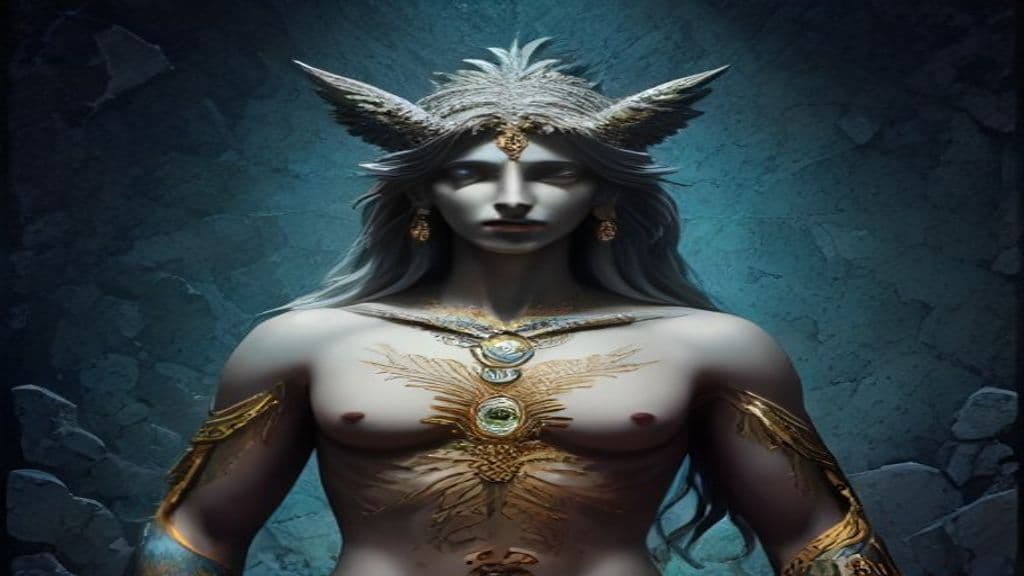
Commonly depicted as a human-form upper body with serpents in place of legs; variants occur in the material record. Some engraved gems and papyrological traditions show chimeric variants (for example rooster-headed examples linked to Abraxas imagery), while numismatic and sculptural examples sometimes render the figure as a massive or giant creature integrated into pedimental or coin scenes (e.g., holding cornucopiae or shown beneath thunderbolts). The basic visual signature across sources is a human torso above serpent tails.
The primary attested 'ability' of the anguipede in the sources is its role as an apotropaic emblem: the motif is deployed on magical gems and amulets as a protective image, especially in charms concerned with warding off disease. Secondary iconographic uses on coins and reliefs place the figure within symbolic tableaux of divine power or abundance, but the sources do not describe autonomous agency, specific actions, or a narrative corpus performed by a named anguipede being.
Weaknesses
- otherNo documented weaknesses in sources
Wards
- symbolDepiction of the anguipede on amulets/gems
Community Record
- [1]Anguiped - Wikipedia. Wikipedia, 'Anguiped' entry.wiki
- [2]Abraxas (Archive copy). Archive.org copy discussing Abraxas and related iconography (notes on rooster-headed anguipede and apotropaic use).other
- [3]A Sicilian Amulet in Madrid and its Tradition. Article discussing a Sicilian amulet and its tradition; situates anguipede motif in regional amulet practice.academic
- [4]Forum note: 'Chnoubis/Chnoumis' (discussion mentioning anguipede gems). Forum discussion referencing recorded gems with anguipede imagery (fragmentary reference to counts).other
- [5]Wildwinds: M. Plaetorius M. f. Cestianus Denarius (coin catalogue). Coin catalogue entry noting a pediment with an anguipede figure holding cornucopiae on a denarius (69 B.C.).other
- [6]Liv Mariah Yarrow - Anguipede Figures in Pediments. Discussion of anguipede representations in pedimental sculpture and their iconographic contexts.other
- [7]Wildwinds: Cn. Cornelius Sisenna Denarius (coin catalogue). Coin catalogue entry describing a coin type with an anguipede giant beneath thunderbolt imagery (118–107 B.C.).other
- [8]Blog: Jersey Knitter - Anguipede. Blog entry summarizing the anguipede motif and its occurrence on gems and amulets.other