
The label 'Apheidas' is not a single origin tale but a recurring personal name used in multiple mythic registers. In Arcadian genealogies Apheidas is recorded as a son of Arcas who, according to tradition recorded in mythographic summaries, received Tegea and surrounding territory when his father divided the kingdom among his sons (see Arcadian genealogical sources summarized in modern compendia). In epic tradition an Apheidas appears as one of Odysseus’ comrades seized and slain by the Cyclops Polyphemus in the Polyphemus episode of the Odyssey. Another Apheidas is listed among the Centaurs present at the wedding of Pirithous and Hippodamia. A different Apheidas occurs in Athenian king-lists as son of Oxyntes who reigned briefly for one year before being succeeded by his brother Thymoetes. Finally, an Apheidas gives his name to the Apheidantes, a subdivision of the Molossians mentioned in mythographic and ethnographic compilations (sources: compiled summaries of Homeric, mythographic, and scholastic traditions as referenced in modern entries and primary excerpt indices).
No single physical description unites all bearers of the name. Where the name denotes a Centaur (attending the Pirithous—Hippodamia wedding) the figure is presented as a centaur by race (half-human, half-horse) as per the centaur tradition. The Apheidases attested in genealogies, regnal lists, and the Odyssey are presented as mortal human figures in their respective narratives; the sources supply no individualized physiognomic details for these human bearers of the name.
The sources do not attribute supernatural powers or a characteristic suite of abilities to 'Apheidas' as a unified entity. Each named figure acts in accordance with its narrative role: the Arcadian Apheidas functions as a dynastic heir who received territory in the division of Arcas' kingdom; the Odyssean Apheidas is a member of Odysseus' crew who is killed by Polyphemus; the centaur Apheidas is one of the crowd of centaurs present at the famous wedding episode; the Athenian Apheidas briefly holds kingship in regnal lists; and the Molossian eponym functions etiologically as an ancestral name for a tribal subdivision. No magical abilities, recurring feats, or ritual competencies are recorded for any of these figures in the provided materials.
Weaknesses
- otherNo documented weaknesses — the sources do not treat Apheidas as a harmful supernatural agent requiring specific vulnerabilities
Wards
- otherNo documented wards — the provided sources contain no apotropaic or ritual prescriptions directed at any figure named Apheidas
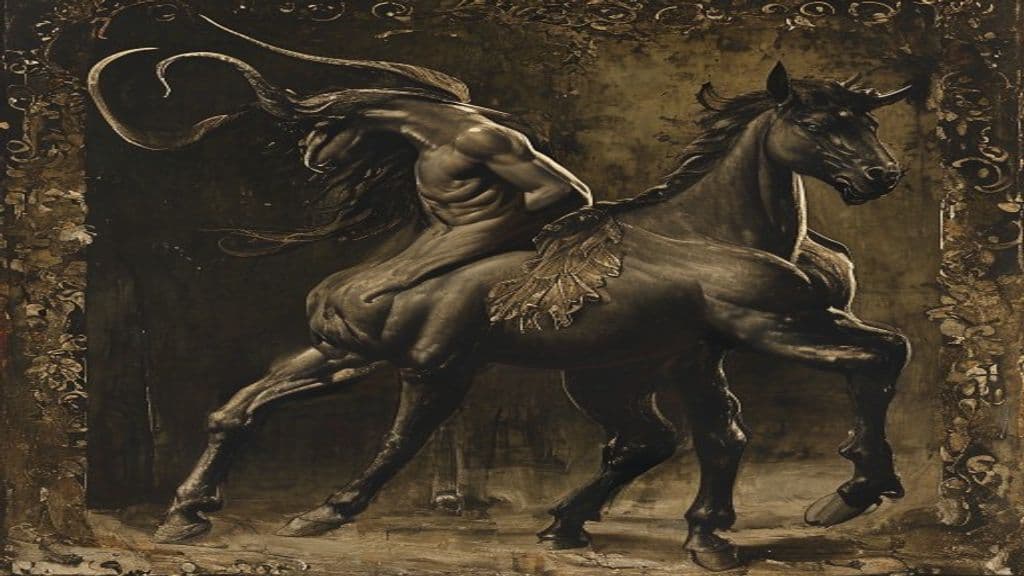
Centaur
A mythic hybrid from ancient Greek tradition with the upper body of a human and the lower body and legs of a horse. Centaurs appear as a tribal population associated with mountainous and wooded regions of Greece and embody tensions between human social order and untamed nature.

Arcas
Arcas (Ancient Greek Ἀρκάς) is a mythic Greek culture-hero and eponymous founder of Arcadia: a hunter who becomes king, credited with teaching weaving, baking, and agriculture, and whose narrative involves Zeus, Callisto, Lycaon, and apotheosis among the stars.
Community Record
- [1]Apheidas — Wikipedia. Wikipedia contributors, 'Apheidas', Wikipedia, The Free Encyclopediawiki
- [2]Apheidas (son of Arcas) — Wikipedia. Wikipedia contributors, 'Apheidas (son of Arcas)', Wikipedia, The Free Encyclopediawiki
- [3]Apheidas | Facts, Information, and Mythology (pantheon.org). Pantheon.org entry 'Apheidas', summary of mythographic referencesother
- [4]Some Truth Behind Odysseus’ Pseudonyms – SENTENTIAE ANTIQUAE. Discussion of Odyssean pseudonyms and related patronymics (mentions Apheidas in commentary)other
- [5]ToposText — People: Apheidas. ToposText compilation of attestations for Apheidasother
- [6]Eusebius' Chronicle / Greek Chronicle (attalus.org index). Eusebius and related regnal-chronicle material as collected in modern online indicesother