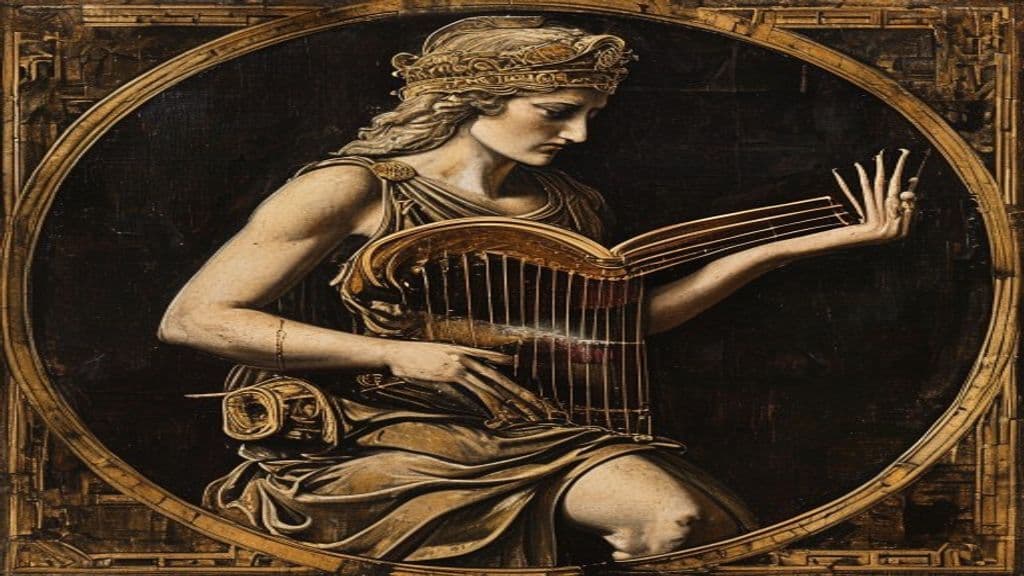
Two distinct but linked strands appear in the sources. Mythologically, Apollonis (Ancient Greek Ἀπολλωνίς, glossed as 'of Apollo') is one of the three younger Mousai called the Apollonides—daughters of Apollo worshipped at Delphi alongside her sisters Cephisso and Borysthenis; the three are equated with the lyre chords Nētē, Mesē, and Hypatē, embedding them within Apollo's musical and cultic domain. Historically, Apollonis of Cyzicus was a Hellenistic royal wife (wife of Attalus I); following her death she was honored with civic cultic monuments, including a temple at Cyzicus (built in the 2nd century BCE) and inscribed epigrams. Epigraphic evidence and OGIS 309 indicate that Attalid family members commonly received god-like honours after death, situating the cult of Apollonis of Cyzicus in the broader phenomenon of posthumous royal veneration in the Hellenistic period.
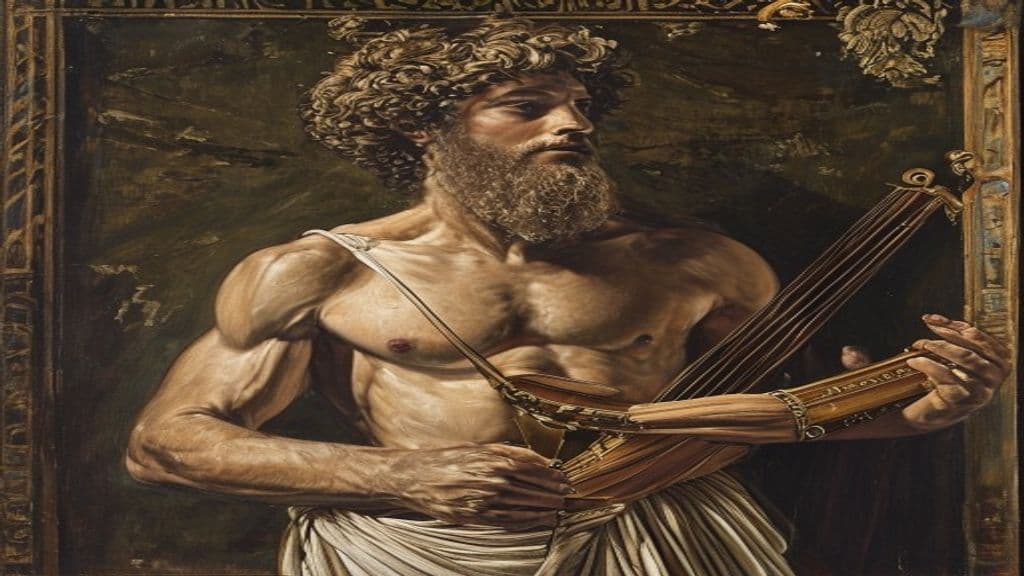
The provided sources do not supply an iconographic or physical description for either the Muse-form or the historical figure. The Muse-form of Apollonis is represented conceptually through musical-theoretical terms—her identity is tied to lyre chords (Nētē, Mesē, Hypatē) rather than anthropomorphic detail. The historical Apollonis is attested epigraphically and architecturally (temple at Cyzicus and the Cyzicene epigrams) rather than through surviving physical portrait descriptions in the cited material.
As a Muse (Apollonides), Apollonis' role is functional and cultic: linked to poetic and musical inspiration as a daughter of Apollo and identified with specific lyre strings/chords, implying a patronage over certain musical/theoretical functions at Delphi. As Apollonis of Cyzicus, her posthumous cult functioned civically—she was the object of honor, commemorative architecture (a temple), and inscriptional commemoration; the sources do not ascribe miraculous powers, possession, or adversarial agency to her, and they do not record oracular or healing functions in the excerpts provided.
Community Record
- [1]Apollonis (Wikipedia). Wikipedia contributors, 'Apollonis,' Wikipedia, The Free Encyclopedia.wiki
- [2]OGIS 309 (summary). OGIS 309, summary at attalus.org.academic
- [3]Temple of Apollonis (Wikipedia). Wikipedia contributors, 'Temple of Apollonis,' Wikipedia, The Free Encyclopedia.wiki
- [4]Apollonis of Cyzicus (Wikipedia). Wikipedia contributors, 'Apollonis of Cyzicus,' Wikipedia, The Free Encyclopedia.wiki
- [5]Apollonis — in ancient sources @ attalus.org. attalus.org, index of ancient name-attestations for Apollonis.other