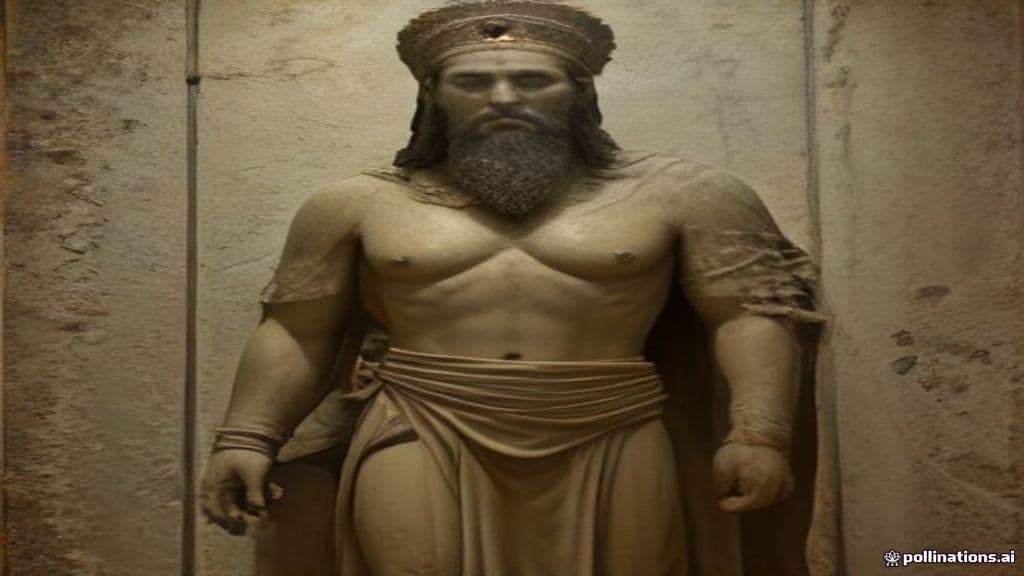
In the classical genealogical tradition Assaracus is presented as the second son of Tros, founder-figure of the Trojans' ruling house. When his elder brother Ilus founded and reigned over Ilium (Troy), Assaracus inherited the kingship of Dardania. Variant accounts recorded in the surviving tradition give different details for his parentage and descendants: some sources name his mother as Callirhoe (daughter of the river Scamander) or Acallaris (daughter of Eumedes); other, less common versions list Aesyetes and Cleomestra as his parents. Most traditions make him father of Capys; however, Roman mythographer Hyginus preserves a variant in which Ganymede is given as Assaracus' son rather than his brother. Across these attestations Assaracus functions as a dynastic link anchoring later Trojan rulers to earlier generations.
The supplied sources do not provide any physical description or iconographic attributes for Assaracus. He is attested only as a named mortal king within genealogical and narrative records, with no details of dress, stature, or distinguishing features.
The sources portray Assaracus in terms of social and political role rather than supernatural ability. He is described as inheriting the throne of Dardania and as a progenitor within the Trojan royal house; no magical powers, divine patronage, miraculous deeds, or postmortem activity are recorded in the provided materials. His actions and significance are genealogical and dynastic rather than thaumaturgic.

Community Record
- [1]Assaracus — Wikipedia. Wikipedia, 'Assaracus' article (summary of classical sources)wiki
- [2]Assaracus — Wikidata entry Q739359. Wikidata entry for Assaracusother
- [3]Assaracus (literary journal) — Archive. Archive listing for the modern literary journal titled 'Assaracus' (name reuse noted)other
- [4]Assaracus 2015-01: Iss 17 — Archive. Archive copy of 'Assaracus' journal issue (modern cultural reuse of the name)other