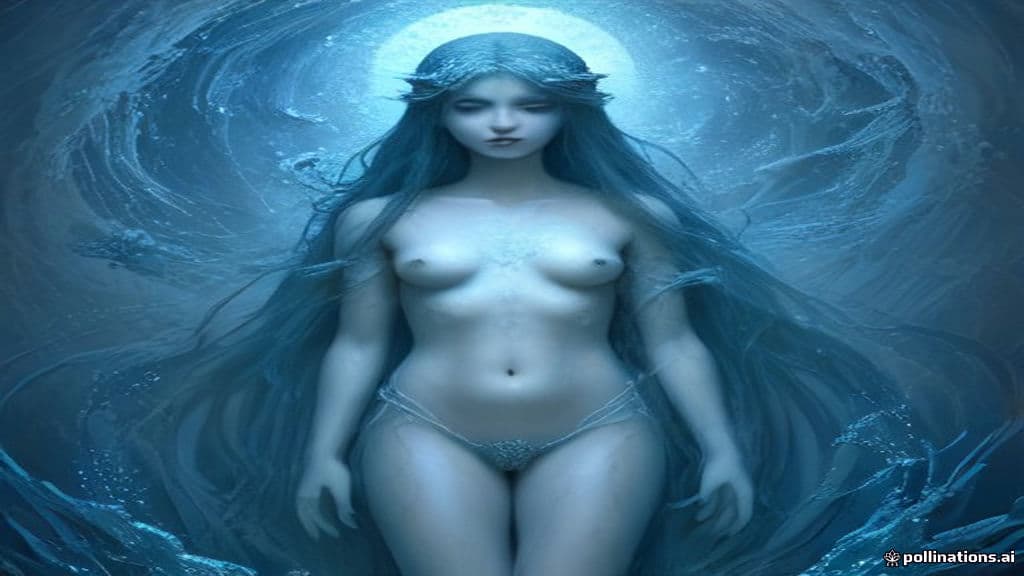
The traditions for Asterodeia are not a single cohesive tale but multiple brief genealogical notices preserved in mythographic summaries. In one account she appears as an Oceanid, a daughter of Oceanus and Tethys, who is named as mother of Absyrtus/Apsyrtus by Aeetes (source: Wikipedia; Wikidata). In another set of local genealogies she is Asterodia (also called Asteria), a Phocian princess, daughter of King Deion and Diomede and sister to Aenetus, Phylacus, Actor and Cephalus; in this line she is said to have borne the brothers Crisus and Panopeus to Phocus (source: Wikipedia). Short variants elsewhere list an Asterodia as one of the possible wives of Endymion and, in a different notice, as daughter of Eurypylus and one of the possible wives of Icarius (source: Wikipedia). These attestations show the name recurring across distinct local traditions rather than indicating a single origin narrative (sources: Wikipedia; Wikidata).
The surviving references to Asterodeia are genealogical and supply no physical description of her. No specific iconography or narrative depiction of Asterodeia is recorded in the cited summaries. By context, an Oceanid would conventionally be visualized as a water‑nymph associated with springs, rivers, or the sea in Greek artistic and literary conventions, whereas the mortal princess variants would be represented as noblewomen in genealogical contexts; however, these are general genre expectations rather than direct descriptions of Asterodeia herself (source: Wikipedia).
The sources provide no accounts of distinct supernatural abilities, deeds, or characteristic actions unique to Asterodeia. As an Oceanid in one notice she is part of the broader class of water‑nymphs (daughters of Oceanus and Tethys) who in myth generally embody or personify aspects of aquatic landscapes; the sources do not attribute individual powers to her. In the mortal genealogical notices she functions as a progenitor figure and is not described as possessing supernatural faculties (source: Wikipedia; Wikidata).
Oceanids
In Greek myth the Oceanids (Ancient Greek: Ὠκεανίδες, Ōkeanídes) are a vast class of nymphs, described as daughters of the Titans Oceanus and Tethys. They are dispersed spirits associated with watery places and related functions—often linked with springs, companionship of goddesses, and care of youths—and include a few individually significant figures within their large poetic roster.
Absyrtus
Absyrtus (Ancient Greek: Ἄψυρτος) is a Colchian prince in the Greek Argonautic cycle, son of King Aeëtes and brother or half-brother of Medea. He appears in variant traditions either as a companion taken by Medea during her flight with Jason and murdered/dismembered to delay pursuit, or as a pursuer sent by Aeëtes who is overtaken and slain by Jason; his death functions as a key narrative device in the escape from Colchis.
Community Record
- [1]Asterodia (Wikipedia). Wikipedia, entry 'Asterodia' (Asterodeia) — summarizes attestations: Oceanid daughter of Oceanus and Tethys, mother of Absyrtus by Aeetes; Phocian princess daughter of Deion and Diomede; possible wife of Endymion; possible wife of Icarius.wiki
- [2]Asterodeia (Wikidata). Wikidata entry Q748574 summarizing Asterodeia as a nymph and mother of Apsyrtus with Aeetes.wiki