Astydameia is an Ancient Greek personal name (Ἀστυδάμεια) applied to multiple mortal women in the heroic-age narratives rather than a single origin figure. The name derives from ἄστυ (ástu, 'town, city') + δαμάω (damáo, 'to tame'/'subdue'), producing a meaning glossed as 'tamer of the city' or 'ruler of the town'. Different bearers appear in separate genealogical episodes: one is daughter of Cretheus and queen of Iolcus, wife of Acastus; another is daughter of Pelops who married Alcaeus; another is daughter of Phorbas and mother of Lepreus by Caucon; another is a daughter of Ormenius/Ormenus who becomes entangled with Heracles. These are distinct mythic personages tied into wider genealogical networks rather than manifestations of a single supernatural being.
Classical sources and the provided summaries offer no consistent physical description or iconography for women named Astydameia. They are presented through social and narrative roles (queen, wife, mother, daughter) and actions in epic and mythographic accounts rather than through bodily detail; no Homeric or other authoritative visual description is given in the cited material.
No supernatural powers are ascribed to any bearer of the name in the supplied sources. Their 'abilities' are social and narrative: acting as queens, wives, and mothers who influence events by persuasion, accusation, marriage ties, or by becoming causes or objects of heroic action. Specific attested behaviors include falling in love and making a false accusation (the Iolcus queen), persuading a hero to reconcile with her son (the mother of Lepreus), and being taken by force after a marriage refusal leading to war (the daughter of Ormenius with Heracles).
Weaknesses
- otherMortal vulnerability — subject to social consequence and violent retribution
Wards
None recorded.
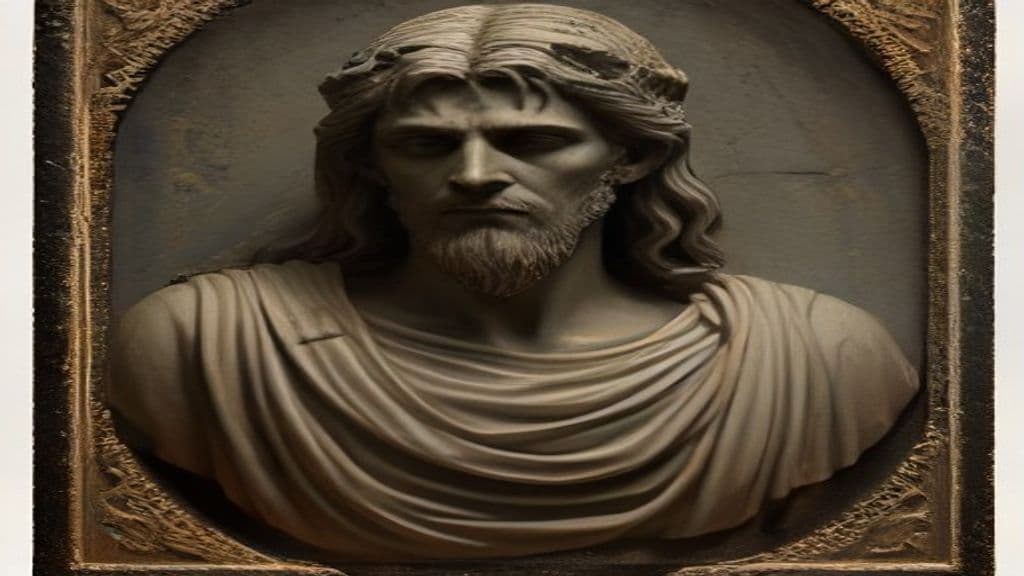
Peleus
Peleus (Ancient Greek Πηλεύς) is a mortal heroic king of the Greek heroic age—son of Aeacus and an oread, husband of the sea-nymph Thetis, and father of Achilles—figuring as a founder-ancestor and culted hero in later local practice. He is portrayed in epic narrative as a warrior-king, Argonaut, and participant in the web of marriages and purifications that link human rulership to divine beings.
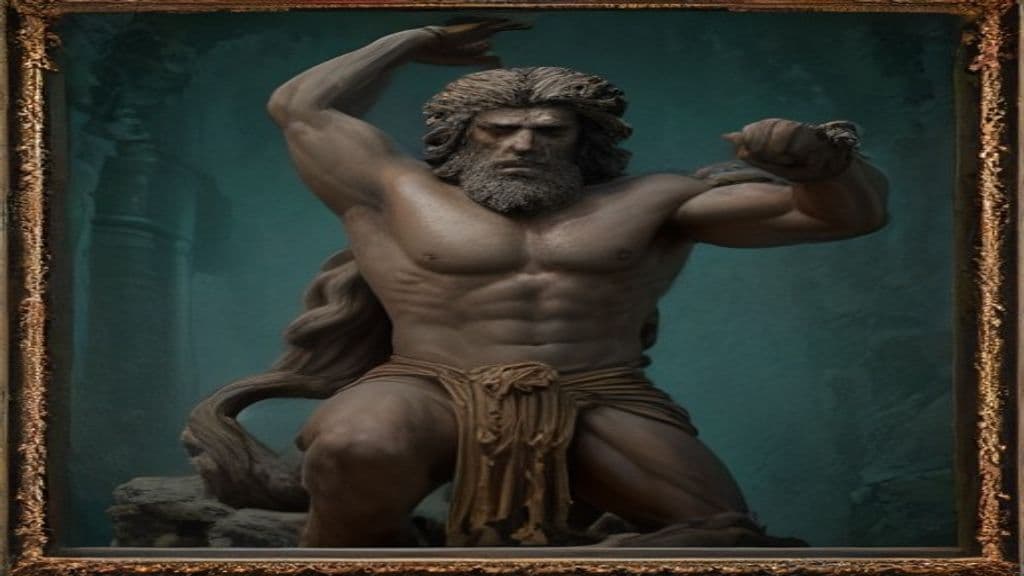
Heracles
Heracles is the greatest hero of Greek myth whose career bridges mortal hero-cult and full divinization. Celebrated for his Twelve Labours, martial prowess, and travels between the mortal world, the underworld, and Olympus, he functioned as a civic patron, ancestor of royal lines (the Heracleidae), and object of cult that treated him both as chthonic hero and as god.
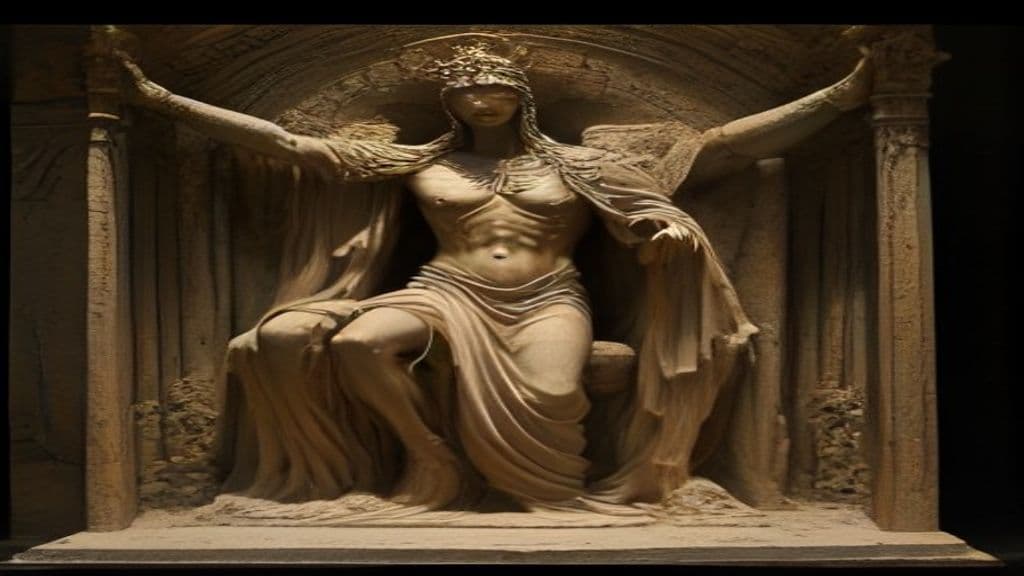
Acastus
Acastus is a mortal heroic figure of ancient Greek tradition: son of Pelias who became king of Iolcus, an Argonaut who sailed with Jason, and an actor in the post-Argonautic cycle involving Medea, Peleus, and the aftermath of Pelias’s death. He is attested as performing civic and ritual actions (burying Pelias, instituting funeral games, purifying Peleus) and as a participant in vendetta episodes that end in violent reprisals.
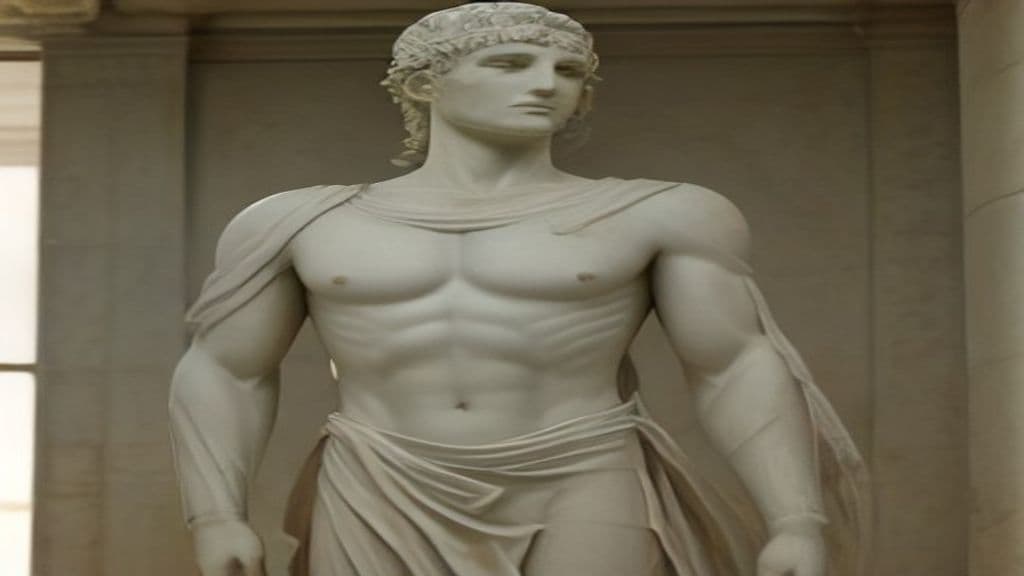
Pelops
Pelops is a mythic heroic-royal figure of ancient Greek tradition, an eponymous founder-ancestor of the Peloponnesus, ruler of Pisa/Olympia, and progenitor of dynasties (notably the House of Atreus). He is both a cult hero venerated at Olympia with chthonic libations and a narrative focal point whose deeds generate a long-lasting familial curse.
Community Record
- [1]Astydameia — Wikipedia. Wikipedia contributors, 'Astydameia', Wikipedia, The Free Encyclopediawiki
- [2]Astydameia — Wikidata. Wikidata entry Q752330other