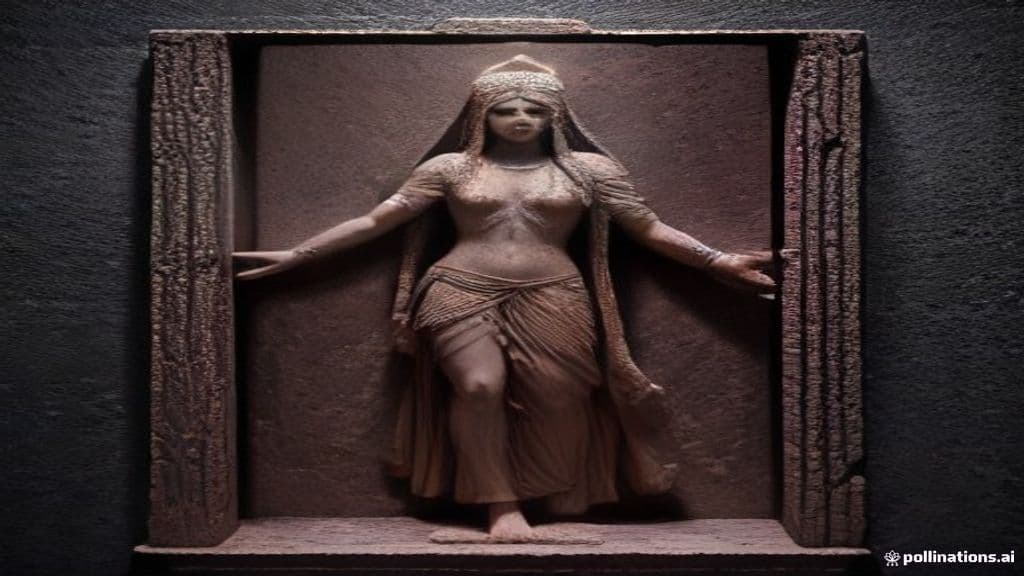
No indigenous origin myth for Aštabi is preserved in the cited materials. He is attested as a named god worshiped in third‑millennium Ebla and later incorporated into Hurrian religious frameworks and Hittite ritual iconography. Later Hurro‑Hittite mythic texts (e.g., the Song of Ullikummi) incorporate Aštabi into narratives of divine combat, but the Eblaite record does not securely assign him the warlike role found in those later sources.
The supplied sources do not provide a detailed physical description. In the rock sanctuary at Yazılıkaya Aštabi is represented as one of the gods following Teshub in procession (identified as figure 33), positioned with Šimige in front and Nupatik behind; elsewhere his name appears in alphasyllabic and logographic lists. No specific iconographic attributes (weapons, garments) are preserved in the cited materials.
In Hurrian, Hittite, and Ugaritic contexts Aštabi is attested as a war god and is equated with or comparable to other regional warrior deities (for example Attar, Lugal‑Marada, Zababa). In the Song of Ullikummi narrative the gods provide Aštabi with chariots to confront the stone monster Ullikummi and he fights alongside seventy unnamed allied warriors — evidence of a martial function within mythic combat. Eblaite documents show cultic engagement (cult centers, statues) and his participation in a purification ceremony to restore a prince's health, indicating ritual roles in civic and elite wellbeing as recorded in those texts.
Weaknesses
- otherNo explicit weaknesses are recorded in the cited sources
Wards
- otherNo wards or anti‑Aštabi practices are recorded in the cited sources

Lugal-Marada
Lugal-Marada is the tutelary city god of Marad (Sumerian Marda) in Mesopotamian tradition, attested as a martial patron invoked in temple-building inscriptions and Old Babylonian oath formulas and subject to syncretic identification with other deities in scribal/theological lists.
Nergal
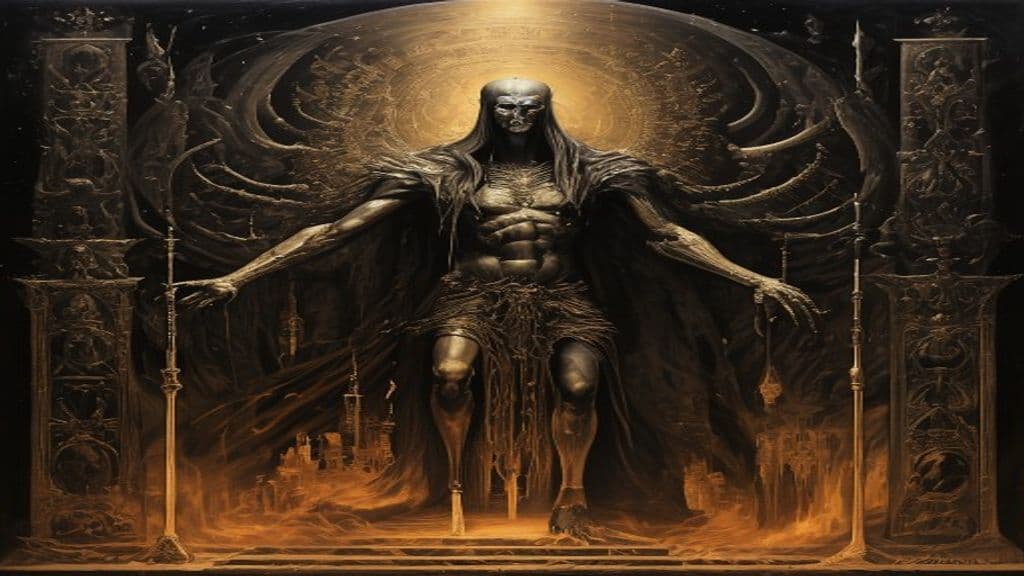
Nergal is a major Mesopotamian deity associated with war, disease, inflicted death, and rulership of the underworld. Principal cult center at Kutha (temple E‑Meslam), he appears in hymns and myths (e.g., the Epic of Erra, "Nergal and Ereshkigal") and is sometimes equated with or called Erra or Meslamtaea.
Community Record
- [1]Aštabi — Wikipedia. Wikipedia: Aštabiwiki
- [2]Aštabi — Wikidata. Wikidata entry: Hurrian war godother