Accounts vary by island. In a Marquesan tradition (as summarized by Tregear 1891) Atea "evolved himself" and brought forth Ono; Atea and Ono campaigned against night-forces (Tanaoa and Mutu-hei) and from that struggle came Atanua (dawn), whom Atea then took as spouse and by whom lesser gods and humankind were born. In a Tuamotu version (as summarized in the cited notes) Atea is the father of sons including Tahu and Tāne; after a sequence of famine, death, sex-reversal and conflict, Tāne kills Atea. Ratzel's reported account of New Zealand/Māori belief (as cited in the sources) presents Atea as "the universe" which floated in space and was divided by sex into Rangi and Papa (Heaven and Earth) — one recorded formulation rather than a universal Māori consensus.
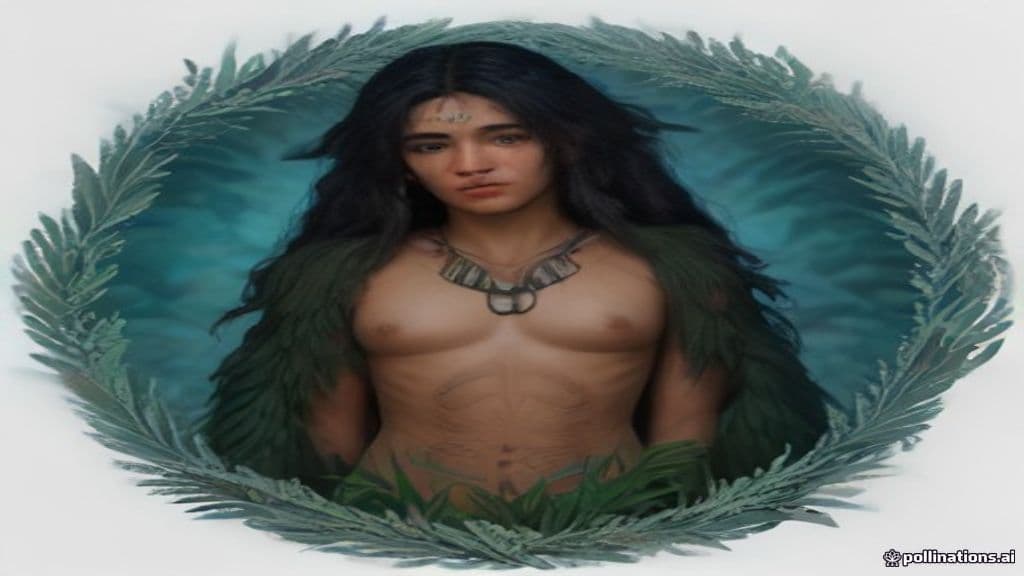
The cited sources do not supply a consistent anthropomorphic description for Atea. Across the Marquesas, Tuamotu, and the Ratzel report for Māori thought, Atea is framed conceptually as a giver of light, a primordial actor, or as the universe itself rather than described in bodily detail. Some versions situate Atea in family relations (e.g., brother to Tāne in one Marquesan account; husband to Atanua in the Marquesas variant) or as cosmic substance (Ratzel's report of Atea as the universe), but no steady physical depiction is provided in the cited summaries.
In the Marquesas account (Tregear 1891 summarised), Atea is explicitly the "giver of light," is said to have evolved himself and to have brought forth Ono, and with Ono made war on Tanaoa (lord of darkness) and Mutu-hei (silence), defeating them and confining gods of night within boundaries. The same Marquesan sequence produces Atanua (dawn) and a lineage of lesser gods and humans. Ratzel's reported Māori account attributes cosmogenic scope to Atea by identifying Atea with the universe that is then divided into Rangi and Papa. In the Tuamotu narrative Atea functions as a progenitor whose household drama and conflict lead to his death at the hands of his son Tāne, showing that in some variants Atea can be overcome in divine succession narratives.
Weaknesses
- conditionSlain by progeny (Tuamotu tradition)
- conditionSubject to defeat in cosmic war (Marquesas narrative shows Atea as combatant who could be engaged by other divine actors)
Wards
None recorded.

Atanua
Atanua is the Marquesan (Polynesian) goddess of the dawn who, in local cosmogony, is the consort of Atea and mother of the first man; she is also credited in the surviving summary accounts with creating the seas as the result of a miscarriage.
Avatea
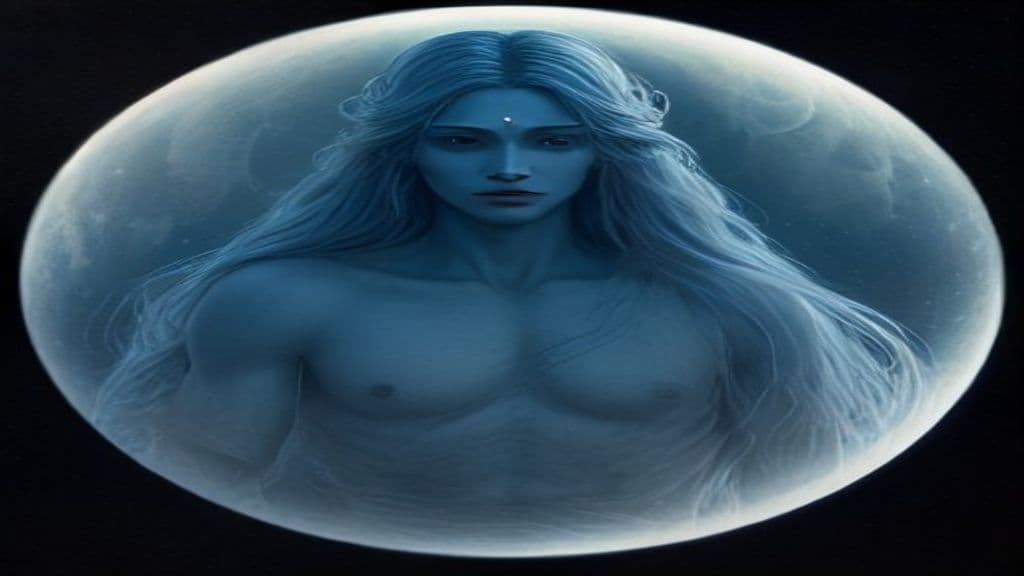
Avatea (also spelled Vatea in some sources) is a primordial parent figure in Mangaian (Cook Islands) mythology, described as a lunar deity and god of light whose eyes were thought to be the Sun and the Moon, and who is called the father of gods and men in the island's origin narrative.
Community Record
- [1]Atea — Wikipedia (summary of traditions). Wikipedia entry 'Atea' summarising Marquesas, Tuamotu, and New Zealand variants (including Tregear 1891 and Ratzel paraphrase)wiki
- [2]Wikidata: Atea. Wikidata item for Atea (identifier Q24016488) referenced in the collected noteswiki
- [3]Ratzel, cited in secondary summary (New Zealand/Māori account). Ratzel as quoted in the cited summaries: 'Atea, the universe, floated in space, divided by the difference of sex into Rangi and Papa, Heaven and Earth...' (as reported in the provided notes)other
- [4]Tregear 1891 (Marquesas summary as recorded in secondary sources). Tregear 1891:29 — summary quoted in the provided notes describing the Marquesas sequence: Atea evolved, brought forth Ono, made war on Tanaoa and Mutu-hei, produced Atanua, and married Atanua producing lesser gods and humankind.other