In mythographic tradition Atepomarus appears as a humanlike founder figure paired with Momorus in the foundation legend of Lugdunum: the two flee an enemy (Sereroneus), arrive at a hill and—after an augury—found and name the hill (Lugudunum). Separately, in indigenous Gallic religio‑epigraphic contexts his name appears as a theonym attached to Roman gods (notably Apollo), indicating a native divine figure incorporated into Roman provincial cult.
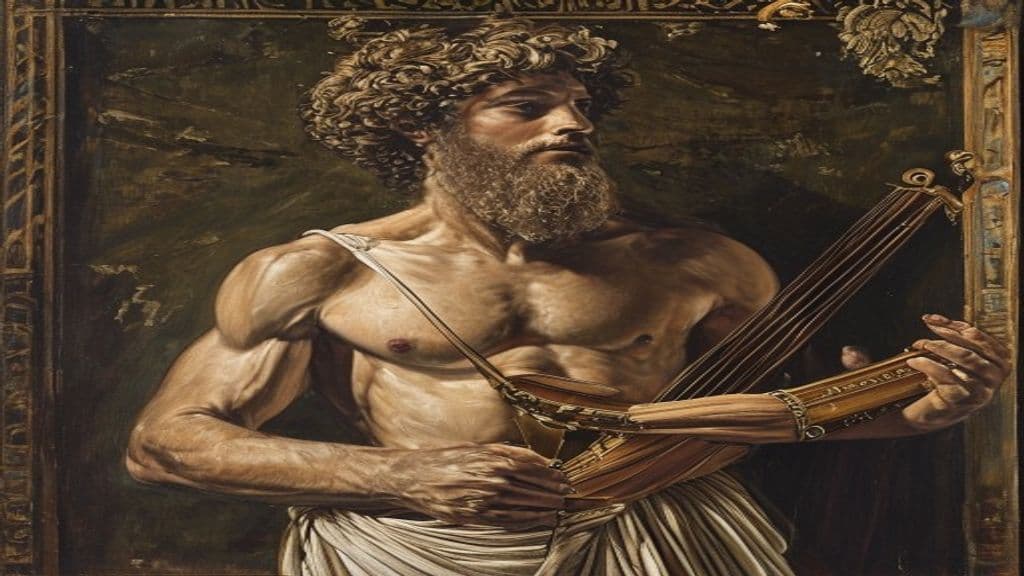
No surviving textual description gives Atepomarus an independent anthropomorphic appearance. Archaeological associations at some Apollo healing sanctuaries (for example Sainte‑Sabine, Burgundy) include small horse figurines found in contexts linked to Apollo Atepomarus; this archaeographic link supports an equine iconographic association in some cult contexts if the horse‑based etymology is accepted. Scholarly opinion is divided, however, and alternative etymologies reject an equine reading.
Epigraphic and literary evidence associates Atepomarus with healing functions where he appears in compound epithets such as Apollo Atepomarus (for example at Mauvières). As a legendary founder he functions in narrative as a kingly or founder figure. Beyond these roles—healing/tutelary and founder—no catalogue of independent supernatural powers is recorded in the provided sources.
Community Record
- [1]Atepomarus (Wikipedia). Wikipedia, 'Atepomarus' entrywiki
- [2]Atepomarus (Mary Jones' Celtic Encyclopedia). Mary Jones, 'Atepomarus' summaryother
- [3]Epicleses of Gaulish Mercury - Deo Mercurio. Epicleses lists showing Atepomarus attached to Mercurius/Apollo formsother
- [4]Examples of Interpretatio Romana (appendix). Appendix on interpretatio Romana illustrating inscriptional practiceother
- [5]Atepomarus (Wikidata). Wikidata item for Atepomaruswiki