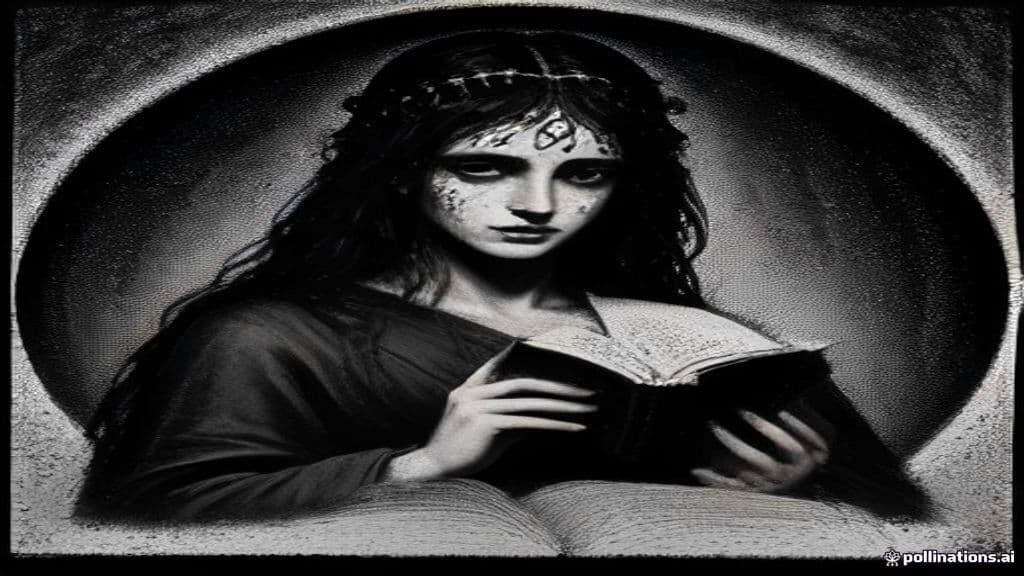
No mythic birth narrative or cult-founded origin for Averruncus is preserved in the cited antiquarian material. The surviving attestations treat the term primarily as a technical divine name and as the verbal concept āverruncāre ('to ward off'), discussed by Roman writers (e.g., Varro as cited) as the name of a power whose function is averting harm. Thus the 'origin' of Averruncus in the literary record is linguistic and ritual: a name formed from a verb denoting the act of warding, used in prayer-formulae and indigitamenta to fix a god's local protective action.
The provided Roman sources supply no description, iconography, or consistent anthropomorphic depiction for Averruncus. No ancient visual attributes or standard cult image are recorded in the cited material.
In the Roman attestations Averruncus is characterized as a divine agent associated with averting harm and, more generally, placed among those 'potentially malignant' powers who must be propitiated because they can both withhold and, in some contexts, inflict disaster upon people and harvests (Aulus Gellius). The name functions as a focused invocation (an indigitamentum) to secure a god's protective action; etymology and antiquarian commentary associate the concept with āverruncāre ('to ward off') and possibly with the idea of ritual 'sweeping' in a figurative or etymological sense, though the latter is presented as a probable etymological suggestion rather than an attested liturgical technique in the surviving sources.
Weaknesses
- otherNo specific weaknesses recorded in the cited sources
Wards
- ritualInvocation by precise naming (use of the indigitamentum 'Averruncus' / use of āverruncāre)
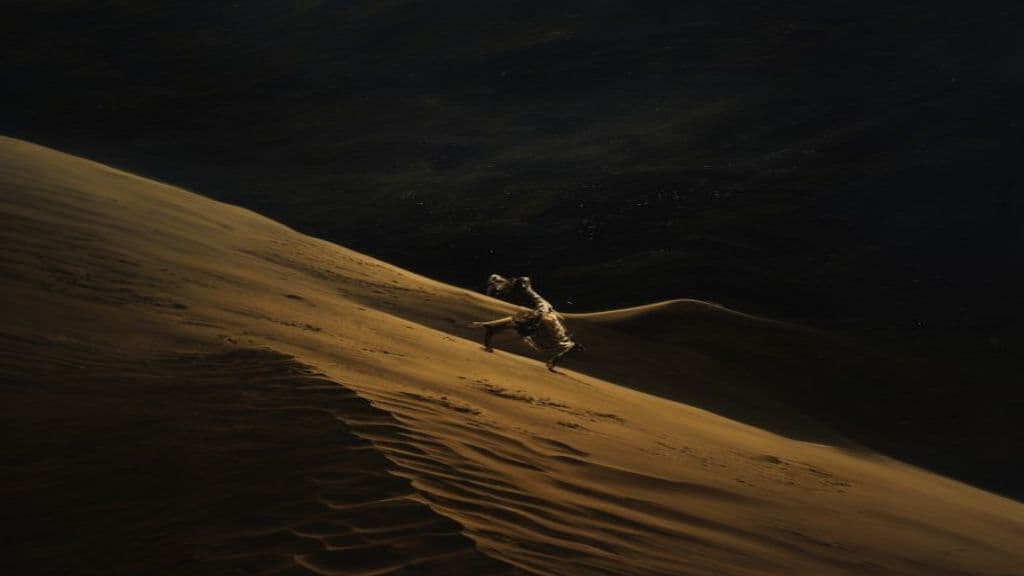
Jann
The weakest class of djinn in Islamic tradition, associated with desert winds and taking the form of snakes or whirlwinds, dwelling in empty wilderness and posing little threat to those who know the proper invocations.
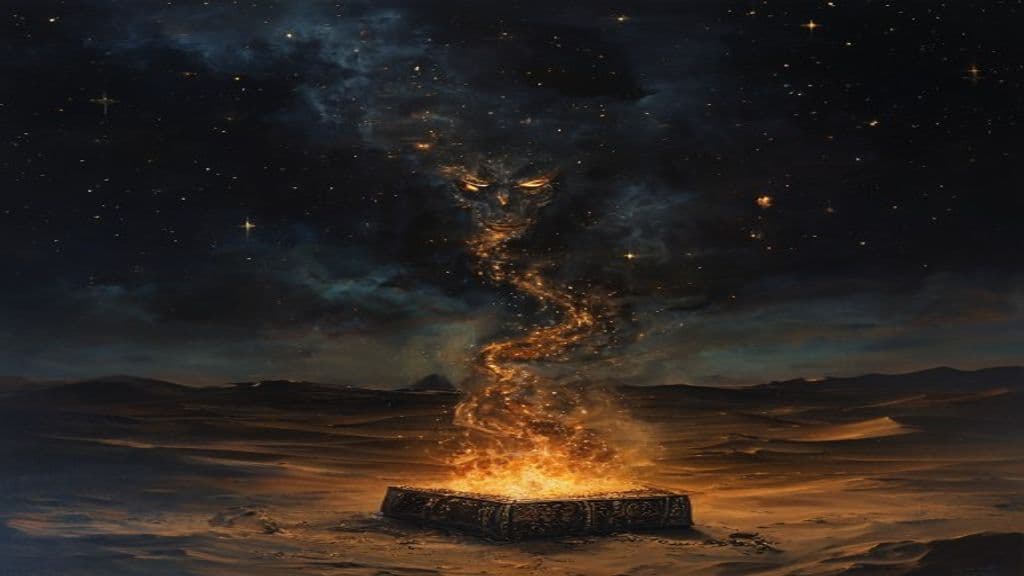
Djinn
The class of supernatural beings created from smokeless fire in Islamic cosmology — a parallel civilization to humanity, capable of belief or unbelief, with their own prophets, society, and judgment before God.
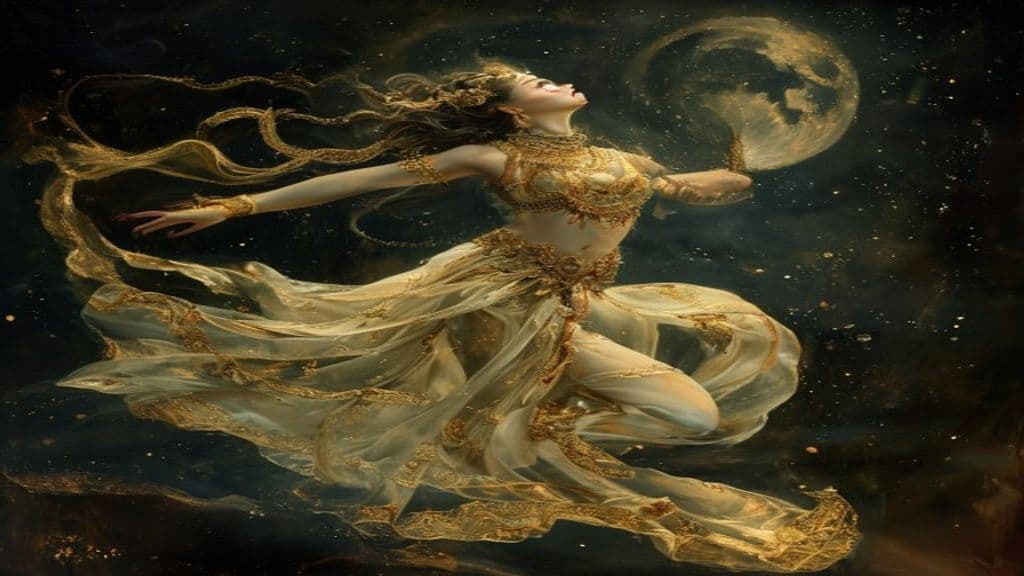
Apsara
Celestial dancers and water nymphs of Hindu cosmology — beautiful semi-divine beings who dance at the court of Indra and, by his command, descend to earth to distract sages from excessive asceticism.
Community Record
- [1]Averruncus (Wikipedia). Wikipedia contributors, 'Averruncus,' Wikipedia, The Free Encyclopediawiki
- [2]Wikidata entry for Averruncus. Wikidata: Q107271304other
- [3]OverClocked Pod Cast Episode 23 (archive listing). Archive.org listing, OverClocked Pod Cast Episode 23other
- [4]UQ Holder! Vol. 4 (archive listing). Archive.org listing, UQ Holder! Vol. 4literary