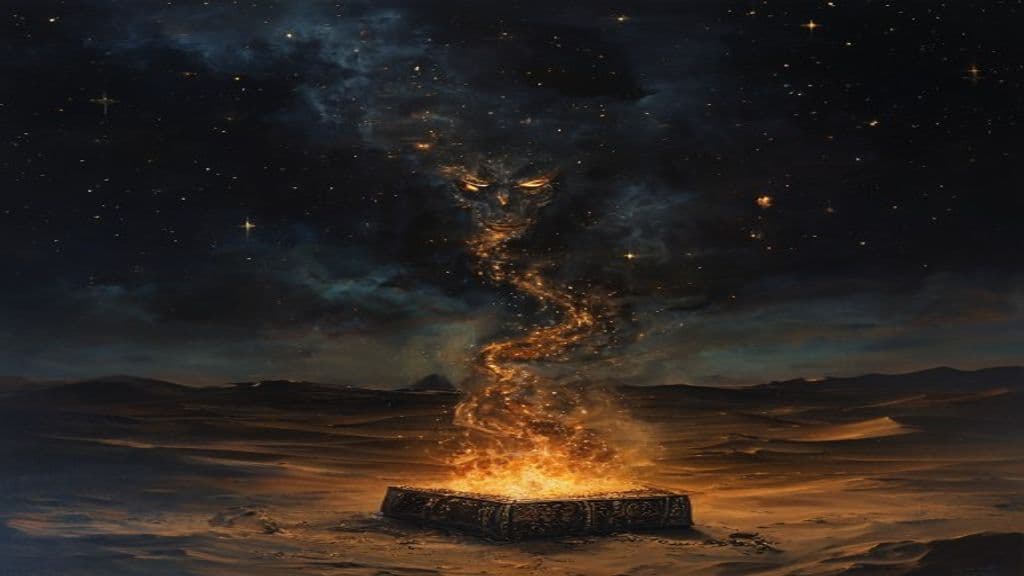
The Quran devotes an entire surah (Al-Jinn, 72) to the djinn, establishing them as beings created from 'smokeless fire' (Surah 55:15) before humanity was created from clay. They inhabit a parallel world (Alam al-Jinn) and live alongside humans without normally being seen. Like humans, they are accountable before God — some are Muslim, some are kafir (unbelieving), and they will be judged accordingly. Sulaiman (Solomon) was given power over the djinn and used them to build his great works.
Classical Islamic scholars organized the djinn into a hierarchy of types: Jann (weakest), Djinn (common), Shaitan (corrupted), Ifrit (powerful and malevolent), Marid (most powerful, associated with water), and Sila (master shapeshifters). Each class has distinct powers, dispositions, and relationships with humans.
The common djinn has no fixed form — it can appear as a human, an animal, or remain invisible. It is usually described as taking animal form most naturally (especially snakes, dogs, and cats). As a human it appears ordinary but may be identified by feet that do not quite touch the ground, or an unwillingness to enter homes where the name of God is spoken.
Flight. Shapeshifting into animals and humans. Possession of human bodies. Movement between the djinn realm and the human world. Can grant wishes to those who bind them, but the binding requires knowledge. Can be Muslim or kafir — Muslim djinn may assist righteous humans.
Weaknesses
- mantraBismillah (In the name of God)
- substanceIron
Wards
- mantraAyat al-Kursi (Quran 2:255) recited aloud
- ritualSaying Bismillah before entering dark spaces
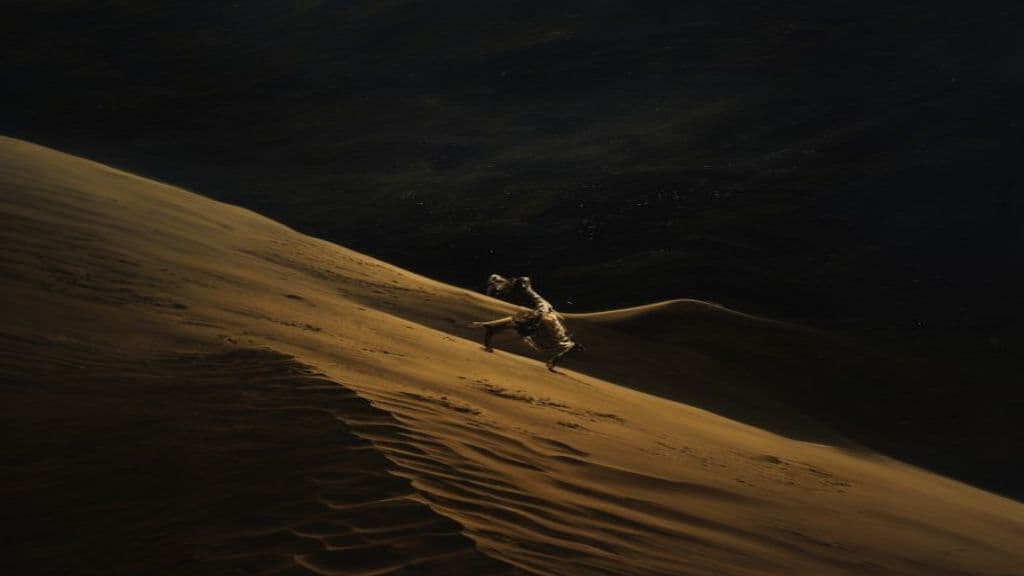
Jann
The weakest class of djinn in Islamic tradition, associated with desert winds and taking the form of snakes or whirlwinds, dwelling in empty wilderness and posing little threat to those who know the proper invocations.
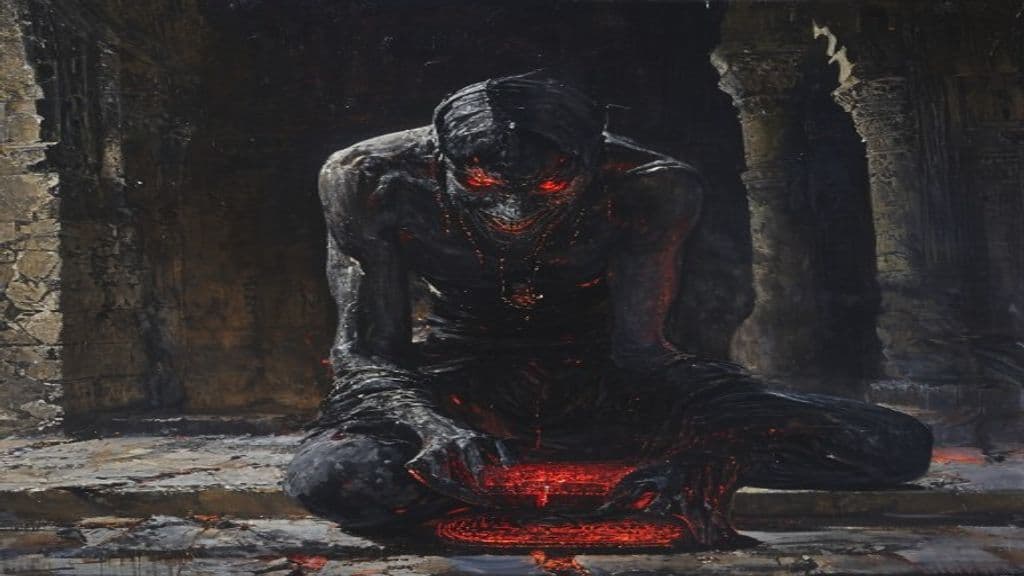
Shaitan
A class of corrupted djinn who follow Iblis and dedicate themselves to leading humans astray — distinct from Iblis himself, the Shayatin are a species of evil djinn who whisper doubts and temptations into the minds of the living.
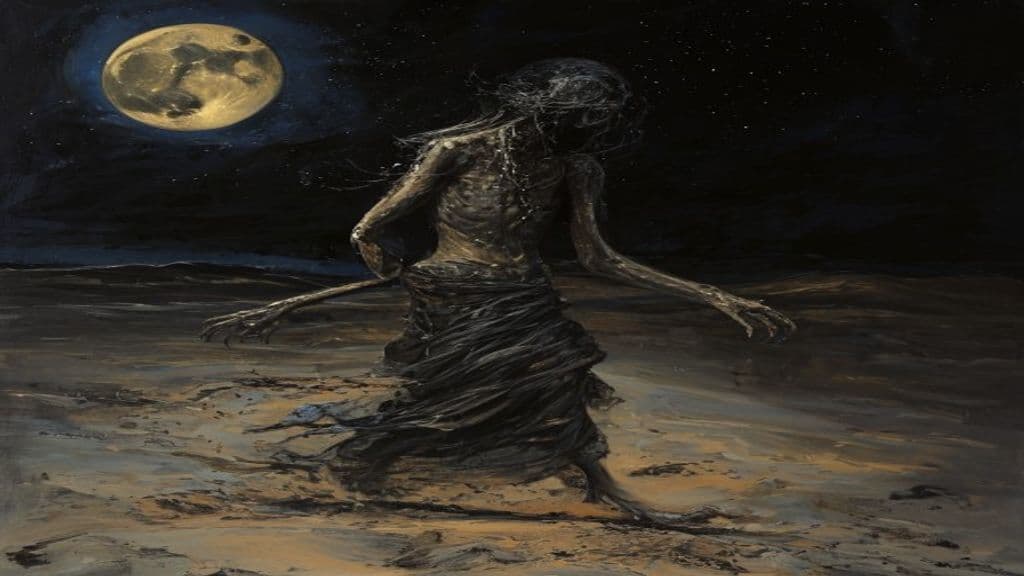
Nasnas
A half-human djinn creature of Arab folklore — possessing only half a face, one arm, one leg, and half a torso — descended from the union of a shaitan and a human, moving by leaping and highly dangerous to encounter.
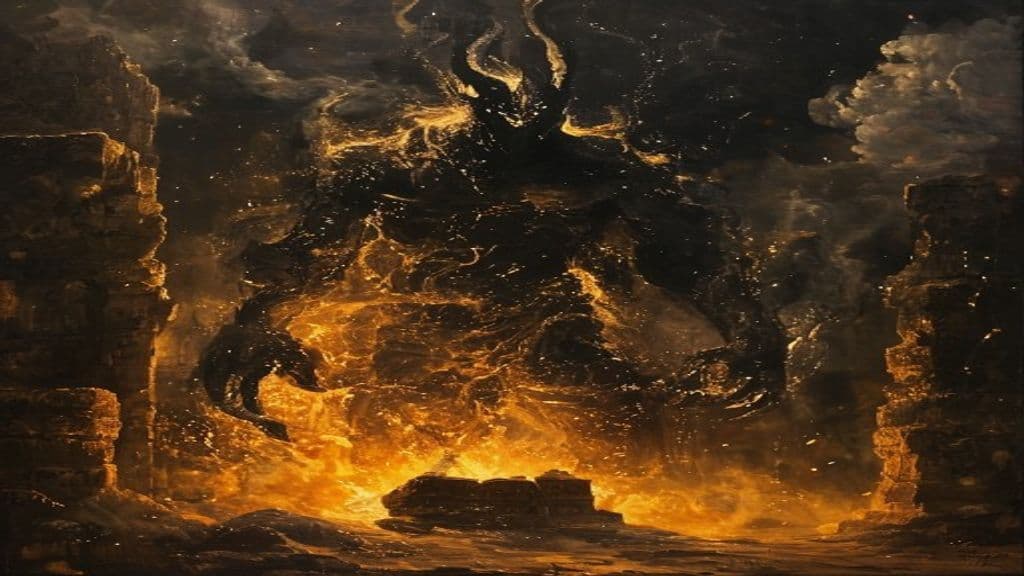
Ifrit
One of the most powerful classes of jinn in Islamic and pre-Islamic Arab tradition — a fire-born being of immense strength and cunning, capable of great works of engineering and terrible violence.
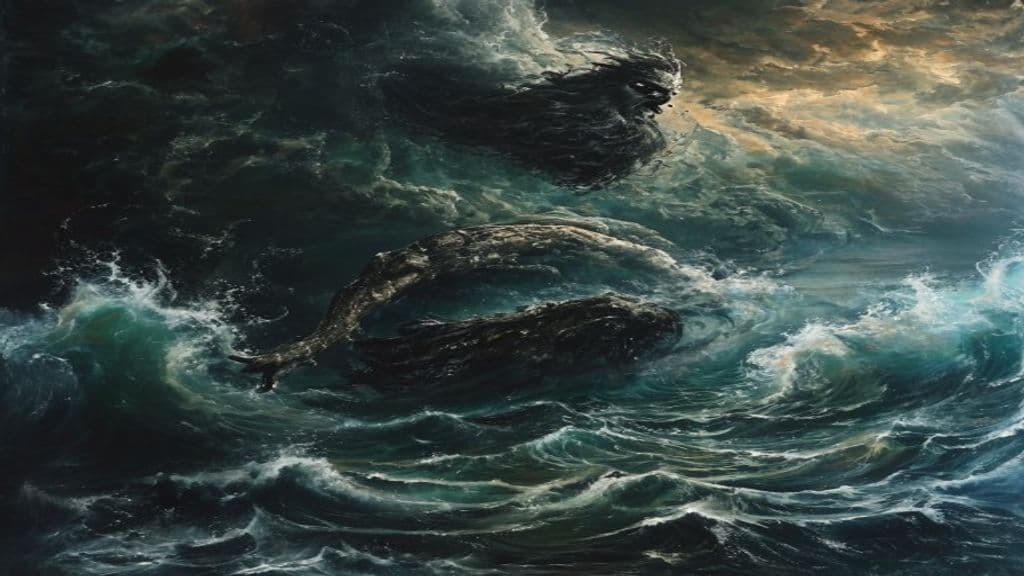
Marid
The most powerful class of jinn in Islamic tradition — beings of the sea, associated with the deep ocean, storms, and the granting of wishes at terrible cost. The classic genie of the Arabian Nights.
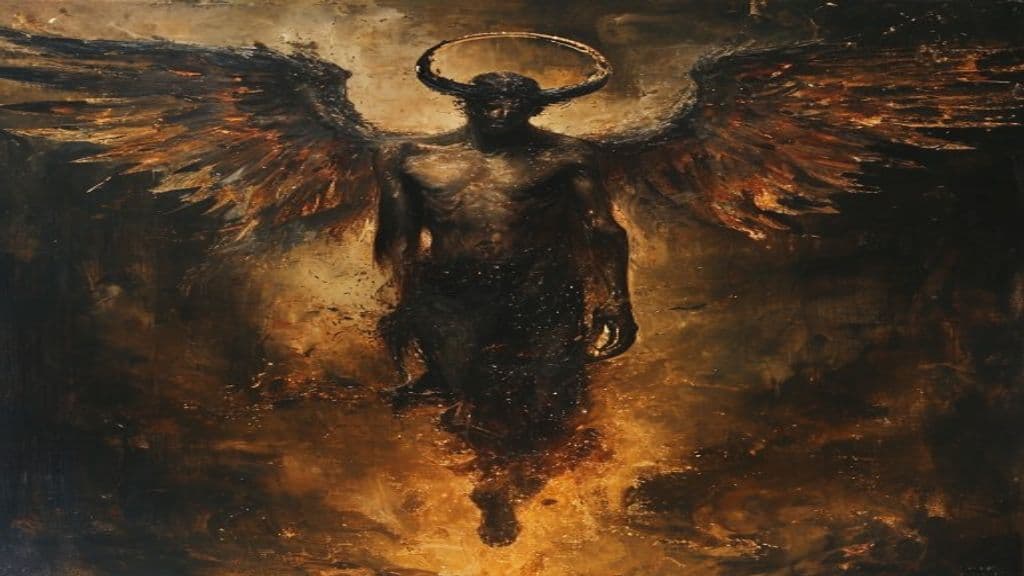
Iblis
The primordial deceiver in Islamic theology; a jinn who refused God's command to bow before Adam and was expelled from heaven. The source of all temptation and whispered suggestion.
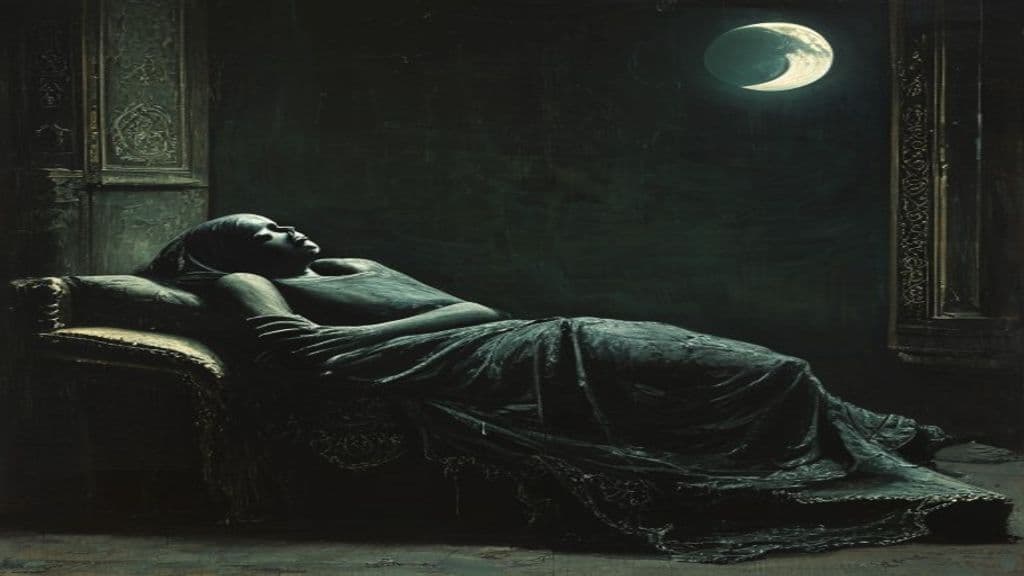
Qareen
The personal spirit companion assigned to every human being at birth in Islamic theology — a jinn double that knows all of a person's secrets and whispers toward sin throughout their life.

Ghoul
A ghoul is a demon-like or monstrous humanoid originating in pre-Islamic Arabian religion, traditionally associated with graveyards and the consumption of human flesh. The concept later entered broader folklore and has been widely reused and transformed in modern fiction and popular culture.

Sila (Si'la, Si'lat)
A jinn-like, chiefly female shapeshifting spirit from Arabian folklore, the Sila (Si'la/Si'lat) is associated with desolate desert places where it misleads travellers, seduces men, and may intermarry with humans. Early sources equated it with the ghoul; later traditions treat it as the female counterpart of ghoul-type beings.
Community Record
- [1]The Quran. Surah Al-Jinn 72:1–15; Surah Al-Hijr 15:27; Surah Al-Rahman 55:15. Various translations.literary
- [2]The World of the Jinn. El-Zein, Amira. 2009. Islam, Arabs, and the Intelligent World of the Jinn. Syracuse University Press.academic