The sources provided do not record a narrative origin for Bai-Ülgen. Rather than a temporal origin tale, Ülgen is described in the cited material as a creator-deity who is "without either beginning or end," presenting him as eternal. This presentation frames Ülgen not through a specific birth or genesis myth in the available texts but as an atemporal, foundational divine figure within Turkic (and in some references Mongolian) religious thought.
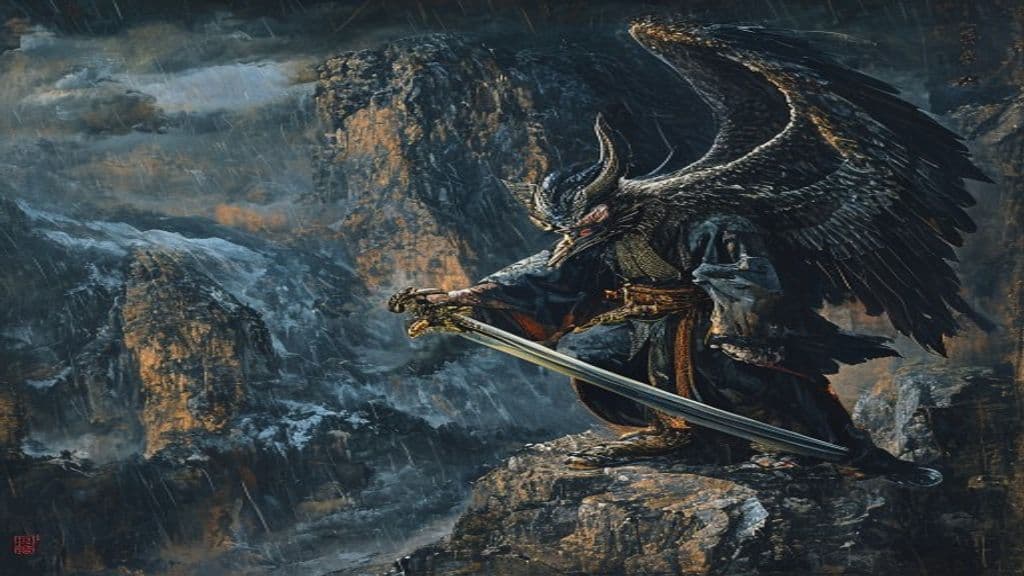
The provided sources contain no descriptions of physical appearance, iconography, or consistent visual attributes for Ülgen. No claims about bodily form, typical garments, mounts, or symbols are recorded in the cited material; therefore the tradition as represented in these sources offers no information on how Ülgen is portrayed visually.
The cited material identifies Bai-Ülgen as a creator-deity and places him in a high position within the divine hierarchy. Ülgen is described explicitly as a creator and as being "without either beginning or end," indicating an eternal creative role. Sources note that Ülgen is usually treated as distinct from Tengri (the principal sky force) but that in some accounts he is identified with Tengri — an overlap comparable in the source to classical identifications such as Helios and Apollo. Beyond these general assertions about creator status, eternity, and a close conceptual relation to the sky-deity Tengri, the available texts do not detail specific mythic acts, powers, or behaviors.
Community Record
- [1]Ülgen - Wikipedia. Wikipedia contributors, "Ülgen," Wikipedia, The Free Encyclopedia, https://en.wikipedia.org/wiki/%C3%9Clgenwiki
- [2]Bai-Ülgen (Wikidata entry). Wikidata entry Q2629889, "Bai-Ülgen," http://www.wikidata.org/entity/Q2629889wiki