
The term originates in Hebrew (בְּלִיַּעַל) as a common-word epithet meaning 'without worth' or 'worthless', applied to people or counsel in biblical narratives. In sectarian Dead Sea Scrolls literature this term is reinterpreted and personified: Belial appears as the leader of the forces opposed to God and the 'Sons of Light', an angelic or malign power allotted hostile spirits and functioning as the principal antagonist in the community's eschatological conflict.
Ancient texts cited do not supply a consistent physical description. Qumran fragments and summaries use evocative titles—'angel of enmity', 'King of Evil', 'Prince of Darkness'—that present Belial as a supernatural adversarial figure or angelic power rather than describing specific bodily features.
Qumran writings describe Belial as the leader/organizer of the 'Sons of Darkness' and as having authority over destructive spirits: texts say Belial 'controls all demons' or that spirits are 'of his lot' and 'walk in the laws of darkness.' His counsel is said to bring about wickedness and guilt, and he is cast as the primary opponent arrayed against the Sons of Light in the sect's eschatological battle. Fragments attribute to him moral snares summarized as the 'three nets of Belial'—fornication, wealth, and pollution of the sanctuary—as mechanisms by which he corrupts the community.
Weaknesses
- conditioncommunal purity and moral discipline (as described in the Manual of Discipline and community regulations)
- conditionavoidance of the 'three nets'—fornication, greed/wealth, and sanctuary pollution (prescriptive ethical restraints in Fragments/Damascus Document)
Wards
- ritualcollective eschatological resistance (War Scroll / 'Sons of Light' organization)
- ritualManual of Discipline injunctions ('I shall not retain Belial within my heart') — communal/legal moral practice to exclude Belial's influence
- ritualobservance of prohibitions against the 'three nets of Belial' (fornication, wealth, sanctuary pollution) — ethical/ritual prophylaxis described in sectarian fragments
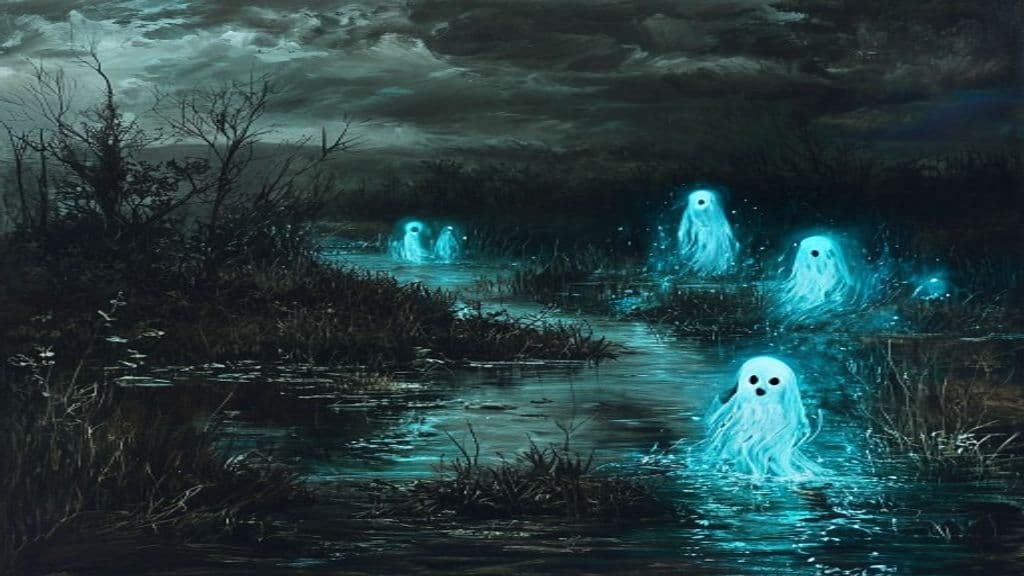
Will-o'-the-Wisp
A wandering light seen over marshy ground at night, leading travellers astray into bogs and fens. Possibly a spirit, possibly the soul of the unbaptised dead, possibly the devil himself.
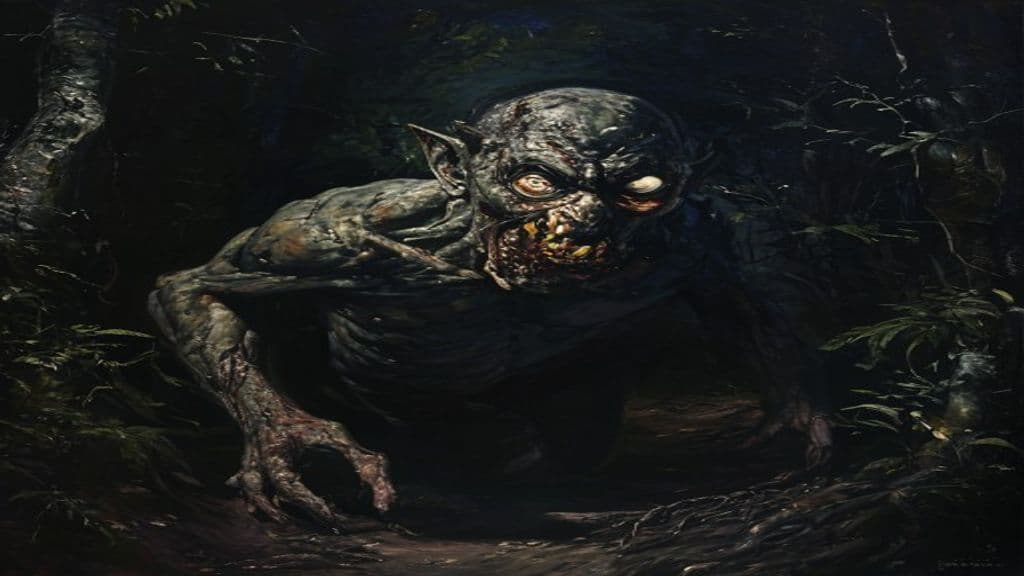
Pishacha
Flesh-eating spirits of Hindu mythology that haunt cremation grounds and are associated with disease, madness, and possession. The lowest class of demon in the Vedic hierarchy.
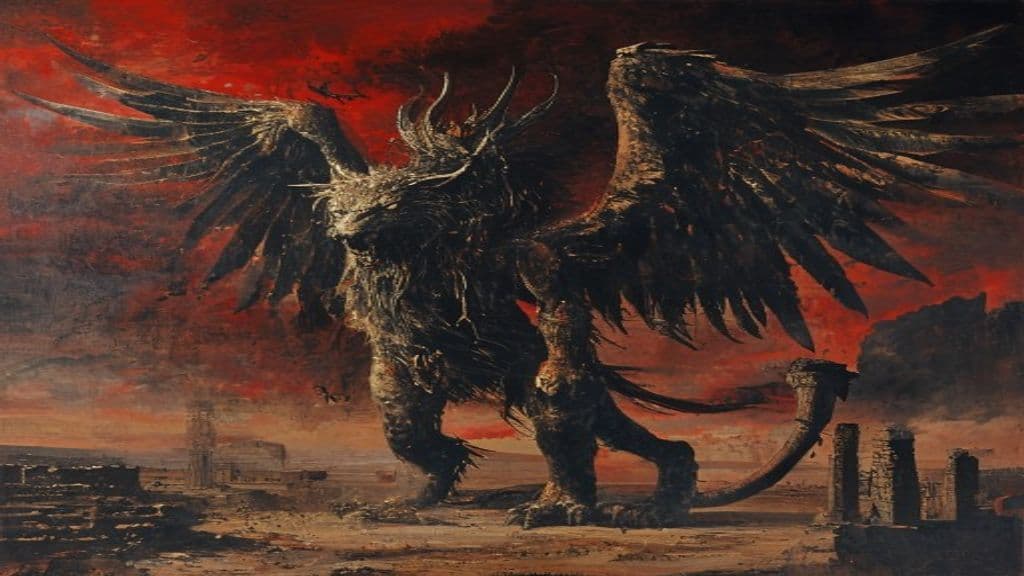
Pazuzu
The king of the wind demons of ancient Mesopotamia, lord of the southwest wind — paradoxically invoked as a protector against Lamashtu and other demons despite being evil himself.
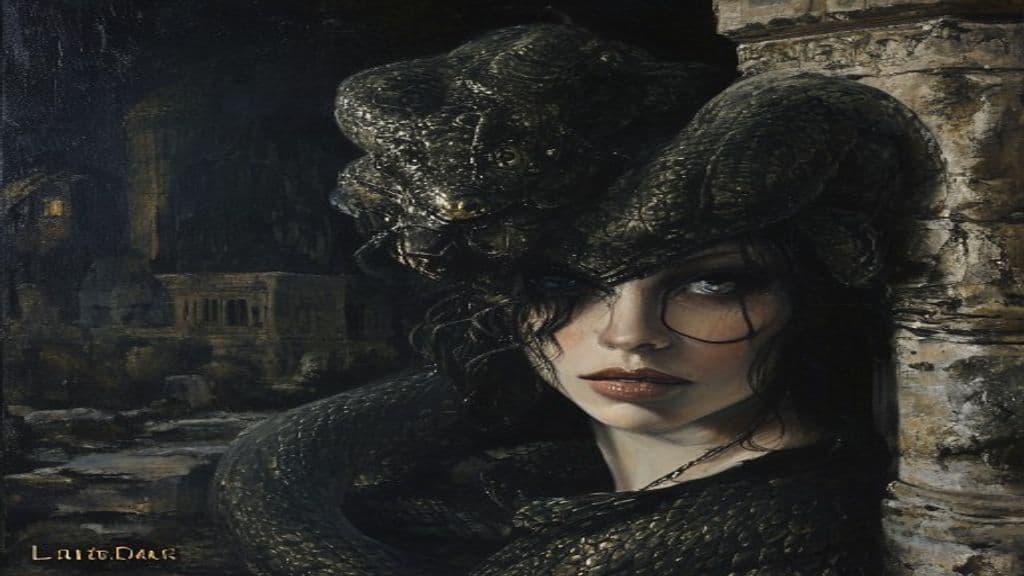
Lamia
A child-devouring demon of Greek mythology — once a queen of Libya and lover of Zeus, driven mad by Hera's destruction of her children and transformed into a monstrous hunter of other women's children.

Preta (Hungry Ghost)
A post-mortem supernatural being associated with extreme, unremitting hunger and thirst. In Hindu usage the Sanskrit term can mean a deceased person, while Buddhist traditions develop the category into a distinct realm of hungry spirits whose condition illustrates karmic consequences for demeritorious action.
Community Record
- [1]Belial — Wikipedia. Wikipedia entry 'Belial'wiki
- [2]Belial — Wikidata. Wikidata item Q12303059wiki
- [3]Belial - Biblical Cyclopedia. Biblical Cyclopedia entry 'Belial'literary
- [4]Dead Sea Scrolls summaries (War Scroll, Manual of Discipline, Fragments of a Zadokite Work / Damascus Document, Amram fragment) — as cited in research notes. Summaries and quoted passages from the Dead Sea Scrolls corpus as provided in the research notes (War of the Sons of Light Against the Sons of Darkness; Manual of Discipline; Fragments of a Zadokite Work/Damascus Document; Amram fragment)academic
- [5]Thelemapedia — Belial (modern occult reception noted). Thelemapedia entry 'Belial' (modern/occult reception cited in dataset)other