
In the mythic material Branchus appears as a mortal who becomes intimate with the god Apollo and is granted prophetic authority; this close relationship legitimates an oracular and cultic tradition tied to his name. Classical summaries and later compendia present him as the lover and prophet of Apollo and as the originator or namesake of local cult sites where Apollo was worshipped under a Branchus-related epithet (for example, temples called Philesia and the epithet Apollo Philesius are reported in Milesian tradition). Separately, some sources list a Branchus who is the father of Cercyon by the nymph Argiope; the summaries note these traditions may be distinct or conflated in different accounts.
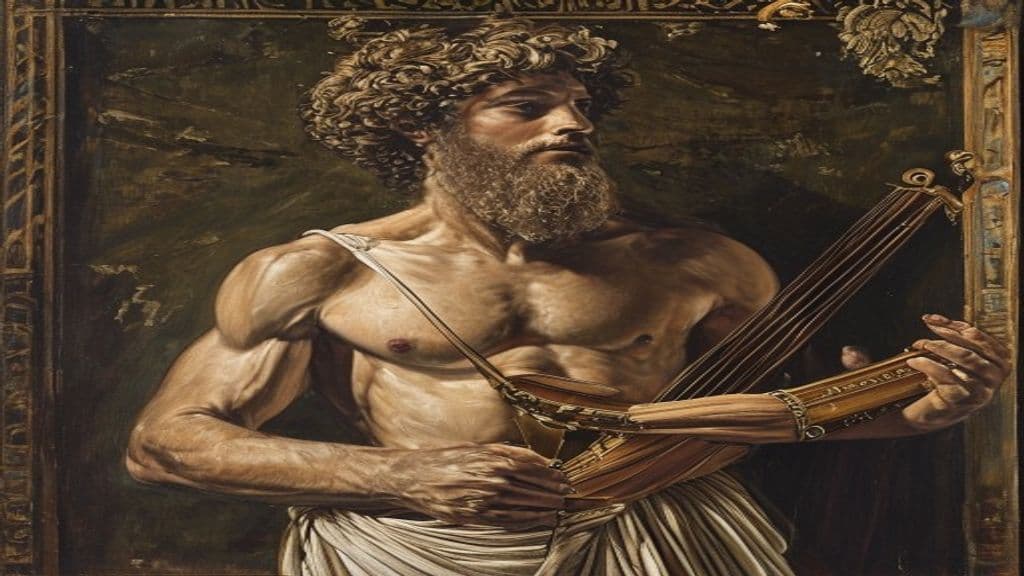
The provided sources give no sustained physical description of Branchus. He is treated as a human mythic figure — a beloved of Apollo, prophet, and ancestral/mythic founder — rather than as an uncanny or monstrous visual entity. No reliable attested details of his clothing, stature, or supernatural form are present in the cited material.
Branchus' primary attributed ability is prophecy: he is described as a prophet and the vehicle of an oracle associated with Apollo. His prophetic authority is presented as deriving from Apollo's favor in the narrative of their intimacy. Beyond this prophetic function, Branchus is attested in some genealogical tradition as a progenitor (father of Cercyon), which situates him within local heroic genealogies. The sources do not describe trance techniques, ritual procedures, healing or harmful powers, or other specific supernatural capacities beyond his role as an oracular intermediary.
Community Record
- [1]Branchus (lover of Apollo) — Wikipedia. Wikipedia, 'Branchus (lover of Apollo)'wiki
- [2]Branchus — Wikipedia. Wikipedia, 'Branchus'wiki
- [3]The Epitome of Theseus (Apollodorus material) — Archive summary. Epitome material referencing Theseus-cycle genealogies (Apollodorus summaries as reproduced in archive summary)literary
- [4]Nostradamus, the Man Who Saw Through Time (commentary on prophecy) — Internet Sacred Text Archive. Commentary noting 'The ancient oracle of Branchus was very famous' and proposing an etymological link of Branchus to 'throat and branches' (marked uncertain in sources)other