Capetus Silvius appears in classical chronologies and later summaries as a member of the Silvius dynasty descended from Aeneas. In regnal and genealogical lists (as found in Livian fragments, Eusebius' Chronicle, and later summaries), he occupies a position in the ordered sequence of Alba Longa rulers used to link Trojan origins to Latin and Roman institutions. Authors vary in his exact placement, name-form, and stated reign-lengths (variant forms include Capetus, Calpetus, Epitus, Epytus), but the consistent function across sources is as a dynastic node connecting predecessors (e.g., Capys) and successors (notably Tiberinus).
No classical or later source in the provided corpus gives a physical, corporeal, or iconographic description of Capetus Silvius. He is represented solely as a name in lists and genealogies rather than as an individual depicted in narrative detail or visual art.
The sources attribute no supernatural powers, distinctive deeds, or characteristic behaviors to Capetus Silvius. Classical and medieval compilers record him as having 'reigned' for a stated number of years in regnal summaries, and his cultural role is genealogical/regnal: serving as a named link in the chain of Alba Longa kings that explains succession and, by extension, some place-name etymologies (for example, sequences that lead to the eponymous Tiberinus).
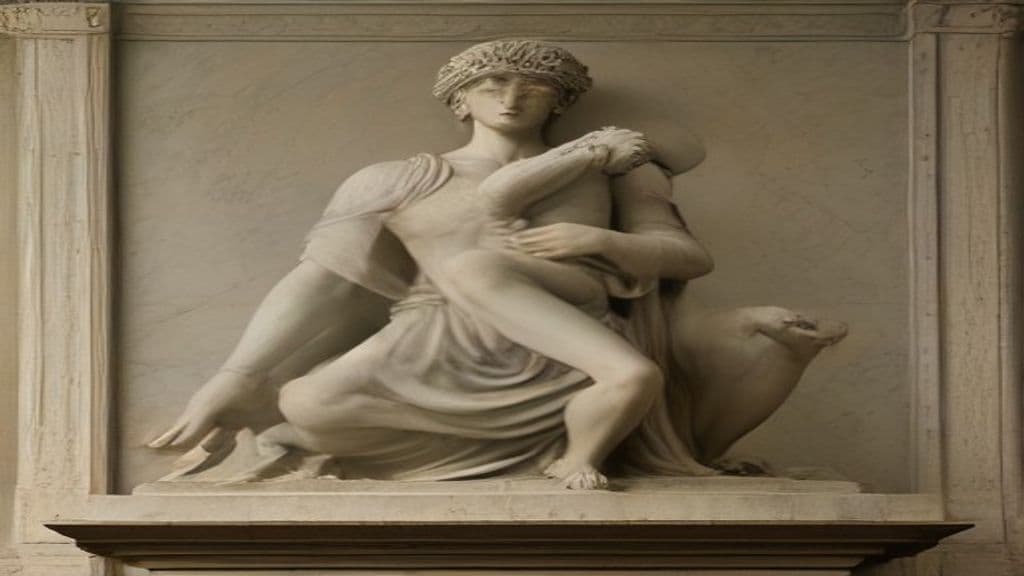
Capys
Capys is a personal name in Greco‑Roman legendary history borne by several legendary human figures connected to the Trojan and early Roman genealogies. Bearers of the name appear as a king of Dardania, a Trojan who warned against bringing the wooden horse into Troy, and a mythic king of Alba Longa in Roman annalistic tradition; a later Victorian poet (Macaulay) renders a Capys figure as a prophetic elder.

Tiberinus
Tiberinus is the Roman name attested for the divine personification of the River Tiber and separately for a legendary king, Tiberinus Silvius, listed among the early kings of Alba Longa. The name thus appears in two registers of Roman tradition: as a river-god tied to Rome's central watercourse and as a figure in mytho-historical genealogies.
Community Record
- [1]Capetus Silvius (Wikipedia). Wikipedia: Capetus Silvius, summary entrywiki
- [2]Silvia gens (Wikipedia). Wikipedia: Silvia gens (discussion of the Silvius dynastic name and variant forms)wiki
- [3]Eusebius, Chronicle, Book 1 (translation). Eusebius, Chronicle, Book 1 (translated, regnal lists referencing Capetus/Capetus reigned twenty-six in some recensions)literary
- [4]Eusebius, Chronicle (alternate translation). Eusebius, Chronicle translation (variant recensions and name-forms noted)literary
- [5]Livy: early kings and genealogical fragments. Livy (genealogical fragments and regnal sequences mentioning the Alba Longa kings and associated names)literary
- [6]Troy - Greek Mythology Link (compilation). Modern compilation noting Trojan-Aeneadic traditions and descendants used in Roman foundation narrativesother
- [7]Roman Foundation Myths – Mythoi Koinoi. Modern summary of Roman foundation myth materials and use of genealogical frameworksother
- [8]Eusebius, Chronicle, Book 1 (CCEL translation). Eusebius, Chronicle (alternate online translation and presentation of regnal lists)literary