
In Hesiodic-style genealogies summarized in the sources, Ceto is born of Gaia (Earth) and Pontus (the Sea), placing her among the earliest, pre-Olympian divine generation. She is paired with Phorcys and, in that union, is named as mother of several monstrous figures: Hesiod lists the two Graeae (Pemphredo and Enyo in his account) and the three Gorgons (Sthenno, Euryale, and Medusa), and concludes with an unnamed serpent later identified as Ladon in other traditions. Other sources and scholiasts vary: some attribute Echidna’s maternity to Ceto (though passages are ambiguous or assign other mothers), other authors append different names for the Graeae or include Phorcys/Ceto as parents of additional chthonic figures (e.g., a scholiast linking them to the Hesperides). These variant attachments are recorded in mythographic summaries and reflect disagreement among ancient traditions.
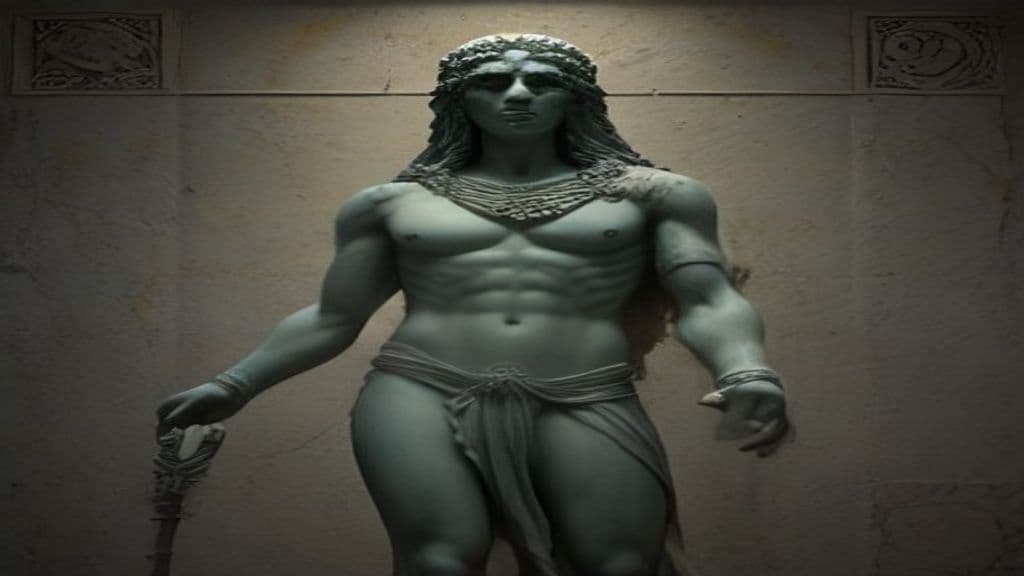
Primary literary sources preserved in the provided material do not present a consistent, detailed physical description of Ceto as a personified figure. The name itself literally means 'sea-monster' (κῆτος), and this lexical meaning produces later or popular associations with monstrous, chthonic sea imagery. However, surviving genealogical texts emphasize her role as progenitor of monsters rather than supplying an iconographic portrait, and no canonical, unified bodily depiction of the primordial Ceto is attested in the supplied summaries.
The sources summarized attribute no specific individual magical feats, active powers, or human-facing behaviours to Ceto; her significance in the preserved material is primarily genealogical and cosmological. By giving birth to named monstrous beings (Gorgons, Graeae, serpents, and possibly Echidna), she functions as an origin-point that situates various dangerous and uncanny creatures within the structure of the mythic world. Apart from a single contested remark about a local cult-reference (Pliny’s mention of 'storied Ceto' at Joppa), there is no evidence in the provided excerpts of ritual agency, direct interventions, or interactions with mortals.
Community Record
- [1]Ceto — Wikipedia. Wikipedia: 'Ceto (Greek mythology)' (lead and summary passages on parentage, offspring, name-meaning, and Pliny/Joppa note).wiki
- [2]Johnston's Archive: (65489) Ceto and Phorcys. Johnston's Archive entry referencing mythological naming and relations.other
- [3]Research notes compiled summary (provided material). Compiled research notes supplied with summarized attestations from Hesiod, Apollodorus, Hyginus, Apollonius, Pliny and modern editors (Safrai & Stern).other