In the Devi Māhātmya (Durga Saptashati) Chandi/Chandika is presented as a supreme martial form of the Goddess born from the combined energies of the gods to defeat asuras. Textual traditions use the names Chandi/Chandika interchangeably with other Devi epithets (Ambikā, Durga, Mahishasuramardini, Chamunda) rather than asserting a wholly separate, singular origin; some accounts attribute specific deeds (e.g., the slaying of Chanda and Munda) to Chandi within these mythic cycles.
Classical dhyāna (iconographic) descriptions in the Devi Māhātmya depict Chandi with a coral/vermilion or golden blazing complexion, often multiple‑armed (an eighteen‑armed formula is recorded) each bearing weapons and emblems such as rosary, battle‑axe, mace, bow and arrow, thunderbolt, lotus, water‑pot, pestle, spear, sword, shield, noose, bell, wine‑cup, trident, conch and discus (Sudarśana). She is described as seated on a lotus in some stanzas and as mounted on or associated with a lion/tiger (the usual vāhana/seat) in iconography and popular visualization; simpler temple images may show four arms. Some later retellings include three eyes as part of the martial deity imagery.
Chandi functions primarily as warrior, protector and purifier: she is celebrated in the Saptashati as the vanquisher of demonic generals (notably Chanda and Munda) and is identified in certain episodes with the slayer of Mahishasura. Textual and folk sources attribute to her purificatory and curative capacities (village forms such as Olai Chandi are credited with curing epidemics and cattle disease; auspicious forms — Mangal/Mongol Chandi, Sankat Mangal Chandi — are believed to bestow children, wealth, victory and good fortune). Ritual practice (Chandi Homam / Chandipath recitation) is understood to solicit her intervention to remove obstacles and effect both individual and communal wellbeing. In some narratives she cooperates with other fierce goddesses (e.g., Kali) where attack and completion of destruction are shared across forms.
Weaknesses
- otherNo attested weaknesses — sources do not record methods to 'defeat' or ward against Chandi; she is presented as a protective/divine force rather than a being to be subdued.
Wards
- ritualChandi Homam / Chandi Homa (Chandi Homam)
- mantraNavākṣarī (Navakshari) mantra and Sri Vidyā mantras (associated with Devi/Chandi worship)
- ritualChandipath (recitation of the Devi Mahatmya / Durga Saptashati)
- otherSaptashati yantra (24‑petal encircling an inner 8‑petal lotus diagram used in Chandipath ritual contexts)
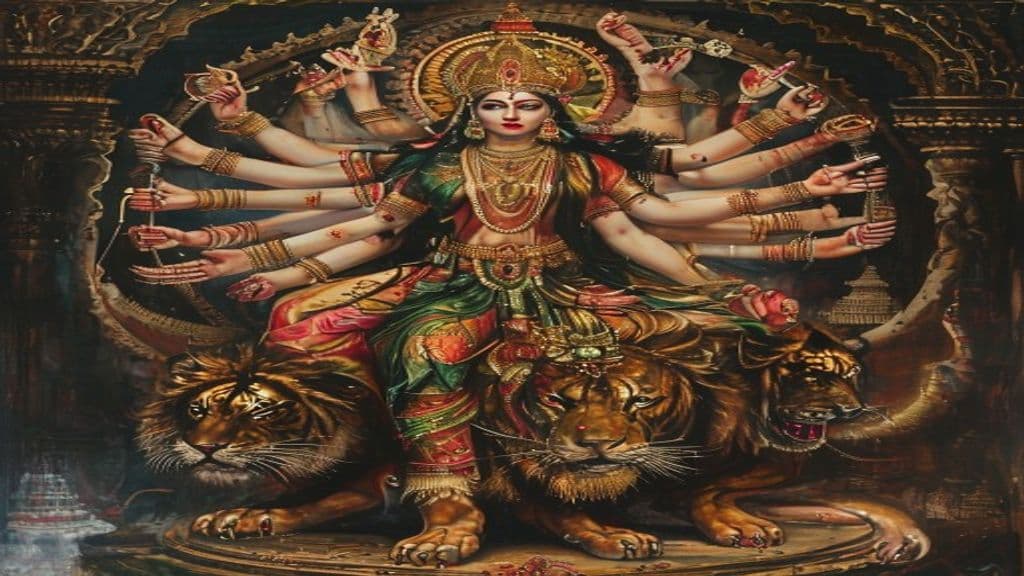
Durga
Durga is a major Hindu goddess, central to the Shakta tradition as an aspect of the Divine Feminine (Mahadevi). She is venerated as a protective, martial mother-goddess who combats demonic forces (notably Mahishasura) to uphold dharma, and is celebrated in major festival cycles such as Navaratri and Durga Puja.
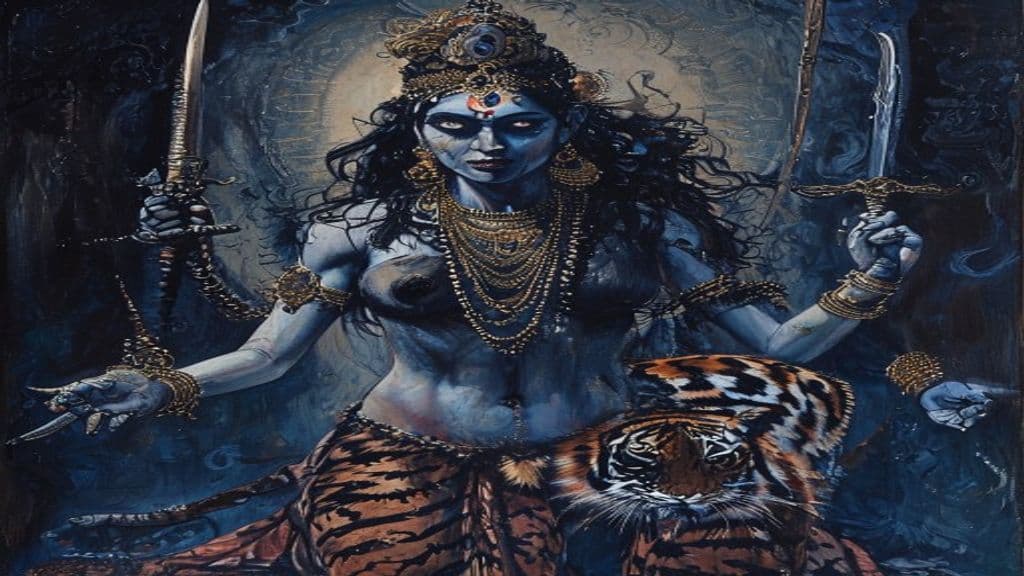
Kali
Kali is a major Hindu goddess associated with time (kāla), death, destruction, and also with liberating knowledge; she appears in Puranic and Tantric texts as a fierce battlefield power and as a protective Divine Mother (Kali Mātā).

Apsara
Celestial dancers and water nymphs of Hindu cosmology — beautiful semi-divine beings who dance at the court of Indra and, by his command, descend to earth to distract sages from excessive asceticism.
Community Record
- [1]Chandi — Wikipedia. Wikipedia: 'Chandi (Sanskrit: चण्डी, IAST: Caṇḍī) or Chandika (IAST: Caṇḍika) is a Hindu deity...' and dhyāna/ritual summarieswiki
- [2]Chandi Homam — Boloji article summary. Boloji: 'The Chandi Homam. Purpose: The purpose of the Chandi Homam is to remove any obstacles or blocks in growth...'other
- [3]Ayutha Chandi Homa / Sri Sooktam & Chandi corrections — Aupasana.com. Aupasana.com blog entries discussing Chandi homa practice and notes on Sri Sooktam / Saptashati yantra geometryother
- [4]Chandi Devi Temple, Haridwar — Wikipedia. Wikipedia article referencing specific temple site named for Chandiwiki
- [5]Archive references and Bengali popular materials (assorted). Archive items and local materials documenting Chandi devotional culture and place‑namesother