
In Mapuche accounts the chonchon is the result of sorcery: either a person (commonly described in some versions as a woman) who enters into a contract with a sorcerer or an initiated kalku who undergoes a voluntary transmutation. Sources describe a procedure in which anointment of the throat with a magical cream facilitates the removal of the head, which then flies away as the chonchon. The chonchon is linked to kalku networks and contracts with an evil spirit (wekufe) and may be created by or serve such practitioners.
Described as a human head that becomes animate and airborne: the head is said to be adorned with feathers and to have unusually large ears that serve as wings, enabling flight. It detaches from the body and flies at night; accounts emphasize a terrifying appearance but note ordinary people may not see it.
Sources state the chonchon flies at night (particularly moonless nights) to attend secret gatherings or covens at a supposed subterranean location called the reni. It is said to possess the magical powers of a kalku or to be used by kalku to carry out malevolent acts, including drinking the blood of the sick or sleeping. Its cry is an omen often interpreted as predicting the impending death of a loved one. Visibility is contested in accounts: some state only other sorcerers or those seeking such power can see it while ordinary people hear its cry.
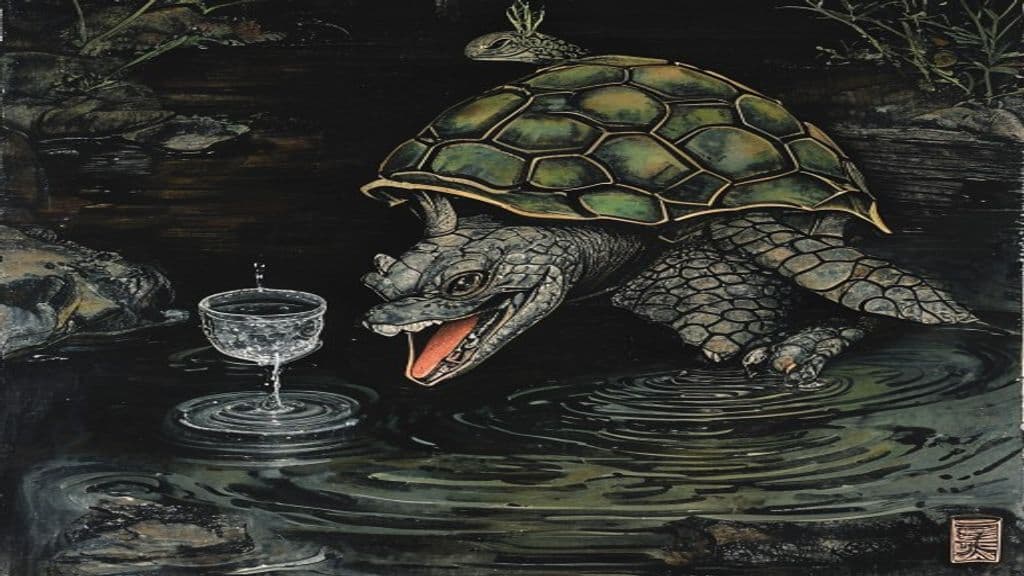
Kappa
A water-dwelling imp of Japanese folklore with a bowl of water on its head. Mischievous but bound by strict codes of politeness; dangerous near rivers.
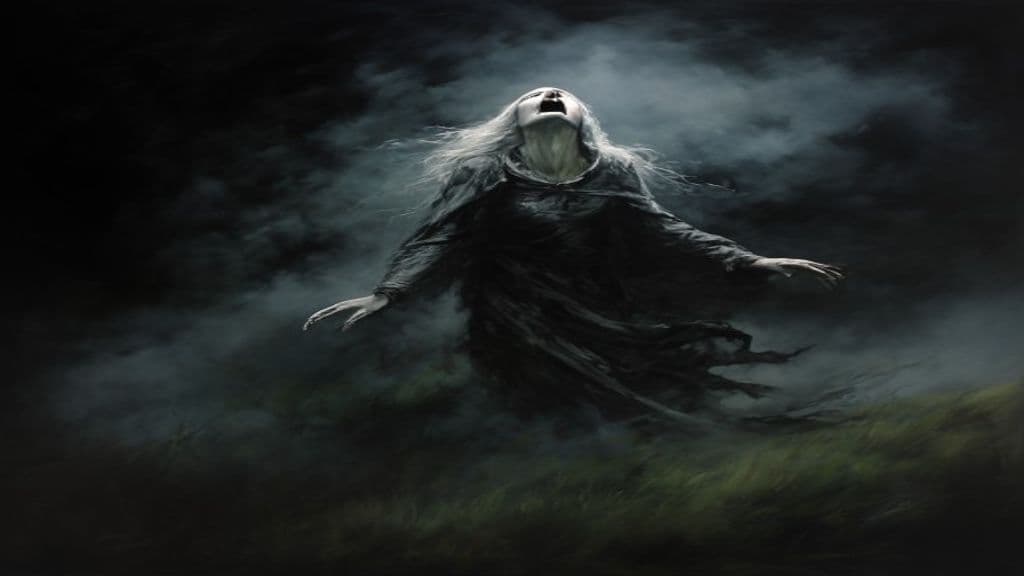
Banshee
A female spirit of Irish and Scottish folklore whose wail heralds an impending death in a family of Gaelic descent. Not a cause of death — a witness to it.
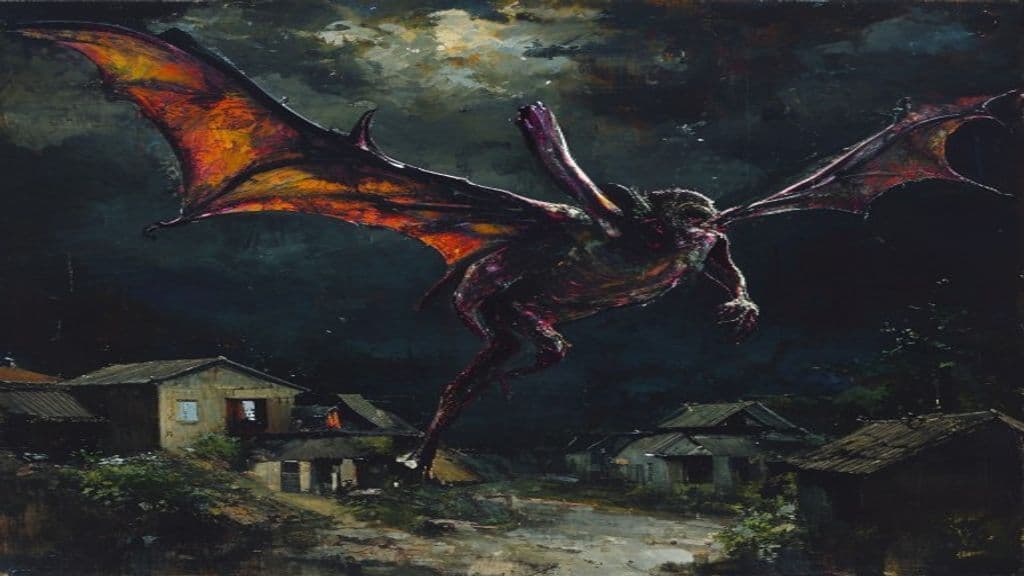
Manananggal
A terrifying Philippine vampire who severs its own upper body from its lower half at night, sprouting bat wings to fly out and feast on sleeping pregnant women's fetuses.
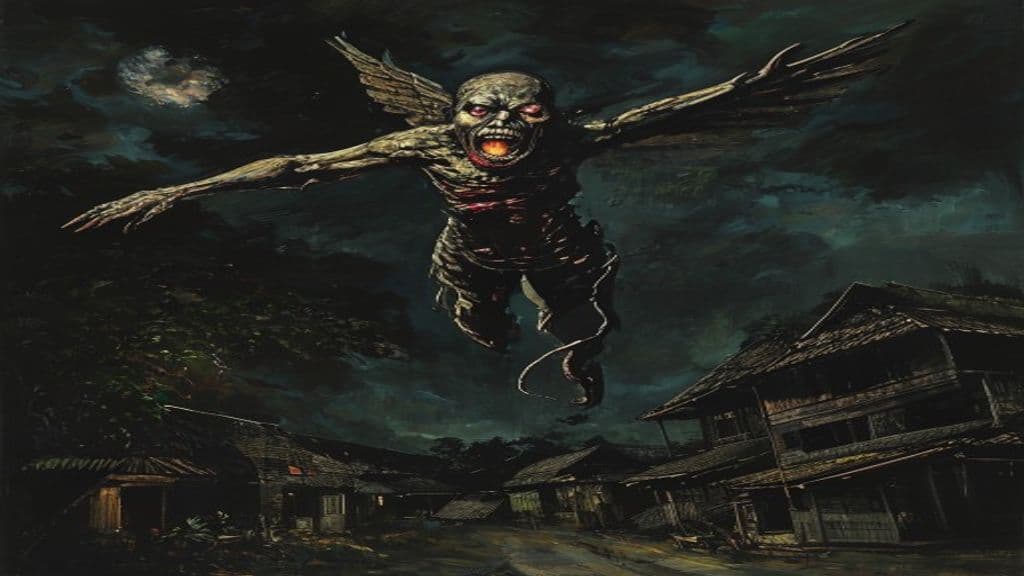
Penanggalan
A Malay vampire consisting of a detached human head with dangling organs that flies at night to feed on the blood of infants and new mothers, then soaks its organs in vinegar to reattach.
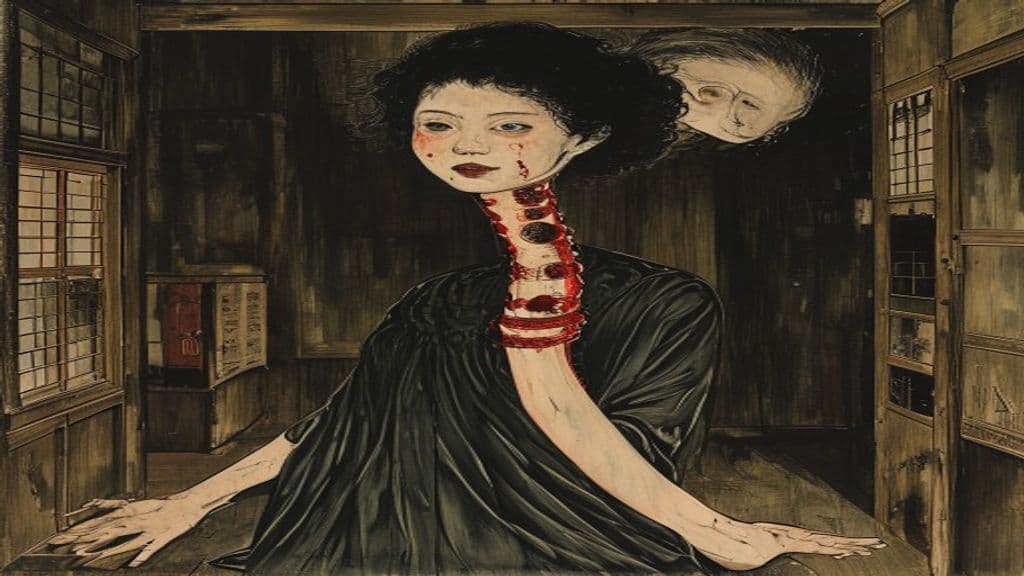
Rokurokubi
A Japanese yōkai-class apparition associated with humans (most often women) who display an uncanny bodily anomaly: either an extremely extendable neck or a head that detaches and moves independently (the latter often called nukekubi). Appears in classical kaidan collections and Edo-period encyclopedias and is variously framed in sources as a supernatural being, an illness, or the soul wandering during sleep.

Soucouyant
A Caribbean nocturnal spirit of the jumbie class traditionally depicted as a person who by day appears human (often an old woman) and by night sheds a skin and flies as a ball of fire to suck victims' blood; vulnerable to exposure by scattered grains and to destruction by salt placed with its shed skin.
Community Record
- [1]Chonchon. Wikipedia, 'Chonchon' (summary article citing Mapuche material; see Constantino Contreras 2000 as referenced therein)wiki
- [2]Chonchon (disambiguation). Wikipedia disambiguation page referenced in source set (provides alternate uses of the term but not ethnographic detail)wiki