Chromis is not a single originative figure but a personal name used for multiple minor personages in epic and mythic catalogs. In surviving references the name appears attached to a centaur who attended the wedding of Pirithous and Hippodamia and fought against the Lapiths, and to several human warriors listed among combatants in the Trojan/Italian war-cycles and Theban narratives. The extant secondary summaries and name-lists treat each bearer as a separate, context-specific individual rather than as manifestations of one entity (sources: Wikipedia entry for Chromis (mythology); Virgil Aeneid index references; modern myth compendia).
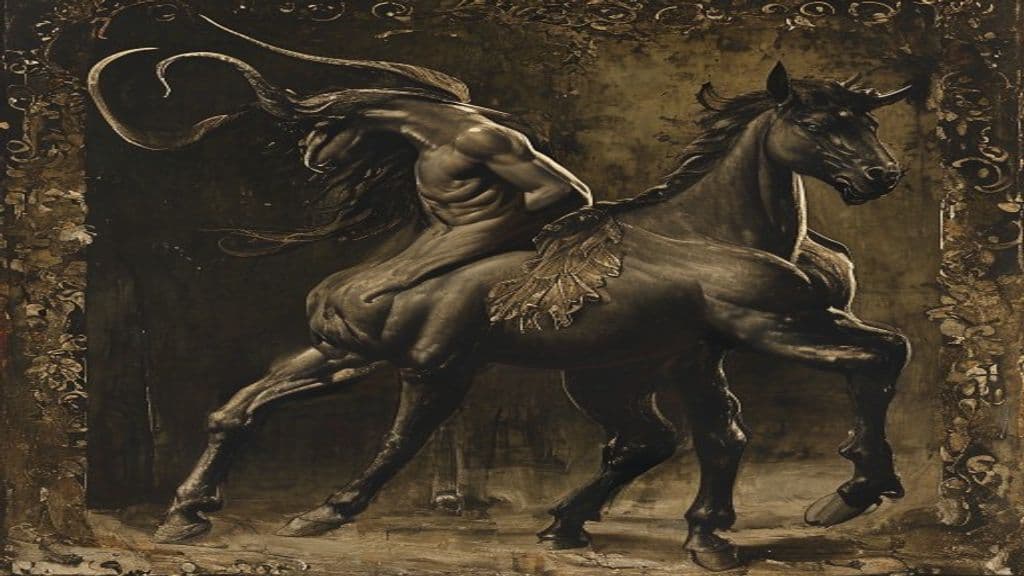
Descriptions vary by occurrence and are fragmentary in surviving summaries. One Chromis is explicitly identified as a centaur present at the wedding of Pirithous and Hippodamia and thus shares the general hybrid horse-man form attributed to centaurs in the Centauromachy episode. Other bearers of the name are listed as ordinary mortal warriors in epic battle-lists (for example, a Chromis killed by Camilla in Italy); those summaries preserve no distinctive physical details beyond their role as fighters (sources: Wikipedia; Greek Legends and Myths centaur list; Virgil-related name-lists; Pantheon summaries).
No primary or secondary text in the provided corpus attributes supernatural powers to any Chromis; the named individuals behave as combatants and attendants within mythic battle narratives. The centaur-bearer participates in the Centauromachy and is recorded as killed by the groom Pirithous, while human bearers appear as ordinary warriors who fall to noted heroes (e.g., a Chromis slain by Camilla in Virgil's Aeneid, as given in epic name-lists). The sources therefore record martial behavior and involvement in mythic combat but do not record magical or divine abilities for the name-bearers (sources: Ovid summaries for Centauromachy mentions; Virgil Aeneid index; Pantheon and other name-lists).
Weaknesses
- othernone recorded
Wards
- othernone recorded
Community Record
- [1]Chromis (mythology) — Wikipedia. Wikipedia, 'Chromis (mythology)'wiki
- [2]Chromis — Pantheon (name-list / summary). Pantheon.org entry for Chromis (summary of occurrences)other
- [3]The Centaurs in Greek Mythology - Greek Legends and Myths. GreekLegendsAndMyths.com, 'The Centaurs in Greek Mythology' (lists Chromis as killed during the Centauromachy)folk
- [4]Chromis (Pantheon variant / index). Pantheon.org alternate entry and index fragmentsother
- [5]Cerambus to Clytodora - Greek Mythology Link (name-list entries). MAICAR Greek Mythology Link catalog entries referencing Chromisother
- [6]Virgil, Aeneid (index reference: Chromis slain by Camilla at Aeneid 11.675). Virgil, Aeneid — traditional indexing (Chromis listed among warriors in Italy; slain by Camilla, Aen. 11.675) as summarized in compendialiterary