In the sources provided, Corybas is presented as a mythic son of Iasion and the goddess Cybele and as the eponymous ancestor who gave his name to the Corybantes (Korybantes), the ritual performers of the Cybele/Phrygian cult world. The figure functions within Greek reception of Anatolian cults as both a named mythic individual and as a name applied to a class of ecstatic ritual attendants; an Orphic hymn is attested as composed in his honor, situating him within literate cult and mystery contexts. Some regional accounts identify the Samothracian Korybantes as seven rustic demigods or daimones who preside over the Korybantic dance, linking the eponymous figure to ritual personae rather than to a single narrated mythic cycle.
Direct physical descriptions of Corybas in the provided sources are sparse. Iconographic and numismatic materials have sometimes been read as showing a long‑haired young divinity that certain commentators variably identify as Attis or a 'young Corybas,' but these identifications are explicitly marked uncertain in the source material. Literary sources in the excerpts describe the Korybantes as rustic demigods/daimones but do not supply systematic physical attributes for Corybas as an individual.
The primary attributed capacities associated with Corybas and the Corybantes are cultic and ritual: they preside over and perform the korybantic or ecstatic dance characteristic of Cybelene/Phrygian rites and the Mysteries of Samothrace. Sources frame them as ritual daimones or rustic demigods linked to music, dance, and ecstatic/mystery ritual practice; an Orphic hymn composed for Corybas attests cultic veneration rather than hostile or purely mythic feats. The provided material does not attribute specific supernatural acts (e.g., world‑altering miracles or standardized sorceries) beyond their ritual and daimonic function.

Attis
Attis is a mythic consort and semi-divine cult figure associated with the Anatolian Mother Goddess (Cybele / Agdistis). He functions as a vegetation-associated beloved whose self-castration, death, and ritual rebirth form the core myth enacted by his priests and festivals, especially around the vernal equinox in Phrygia, Greece and later Rome.
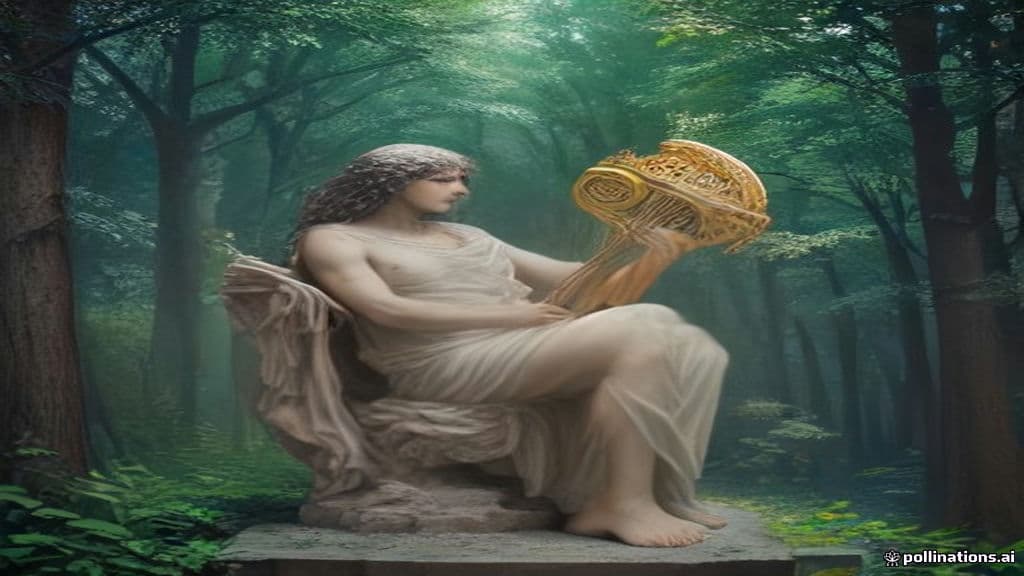
Orpheus
Orpheus is a legendary Thracian bard, musician, poet, and prophetic figure of ancient Greek tradition whose song charms animals, plants, and in some accounts even the powers of the underworld; he is also traditionally linked with the origin and transmission of Orphic mystery texts and rites.
Community Record
- [1]Corybas (mythology) - Wikipedia. "Corybas ... is the son of Iasion and the goddess Cybele, who gave his name to the Corybantes, Koribantes, or dancing priests of Phrygia."wiki
- [2]SAMOTHRACIAN CORYBANTES (Korybantes Samothrakioi) - Theoi. "The Samothrakian Korybantes ... were seven rustic demigods, daimones, who presided over the Korybantic dance of the Mysteries of Samothrake."other
- [3]ORPHIC HYMN TO CORYBAS - HellenicGods.org. "An Orphic hymn was composed in his honor." (Orphic Hymn to Corybas.)other
- [4]DonnaML Numismatic forum posts (iconographic notes). Numismatic/forum excerpts note uncertain identification of 'long-haired divinity ... Attis or young Corybas' and mark such identifications as uncertain.other
- [5]A New System/Analysis of Ancient Mythology, by Jacob Bryant (fragments cited). Secondary fragments cited in the supplied notes referencing regional transmission (e.g., 'from Arcadia to Samothrace, and from thence to Phrygia') — treated as uncertain in the excerpts.other