
Orpheus appears in Greek mythic chronology as a remote, often pre-Homeric figure remembered as a Thracian musician and seer. Tradition commonly presents him as the son of a Muse (frequently Calliope) and a mortal (often named Oeagrus), though parentage and details vary across sources; some ancient writers treated him as a historical musician while others doubted or debated his historicity. He is famed for joining the Argonauts, for descending into the underworld to attempt to recover his wife Eurydice, and for founding or transmitting the body of ritual and poetic material later called the Orphic hymns and theogonies—roles that cast him as both cultural founder and intermediary between living humans and chthonic powers.
Literary and artistic traditions do not supply a consistent physical portrait. Texts and visual representations emphasize his identity as a Thracian and as a lyre (or harp) player: mosaic and vase scenes commonly show him playing while animals, trees, and stones are charmed into motion. The supplied sources note no uniform description of clothing, facial features, or stature; instead he is depicted through his function as musician, poet, and chthonic mediator.
Ancient attestations credit his singing and lyre-playing with extraordinary persuasive force: he could charm birds, fish, and wild beasts, move trees and stones, and in mythic narrative temporarily sway chthonic powers and Hades himself (as in the Eurydice episode). He is portrayed as a founder/prophet of the so-called Orphic mysteries and is traditionally associated with hymnography and the composition or transmission of the Orphic Hymns and theogonies; some later or variant accounts ascribe additional civilizing arts (medicine, writing, agriculture) to him, but these attributions vary by source and are not uniformly affirmed. Ancient commentators also record contested social reception—Strabo reports traditions that call him a wizard or even a charlatan (αγύρτης)—and mythic narratives record his vulnerability to violent death at the hands of maenads or other women in certain versions.
Weaknesses
- conditionvulnerability to violent human action (maenads/Ciconian women)
- othersocial suspicion and accusations of charlatanism (αγύρτης)
Wards
- othernone attested (Orpheus is not presented as an adversarial spirit requiring communal wards in the supplied sources)

Dionysus
Dionysus (Ancient Greek: Διόνυσος) is a major ancient Greek deity associated with wine and winemaking, vegetation and fertility, festivity and theatre, ritual ecstasy and possession, and liminal links with death and the underworld. He is an epiphany-god who travels between worlds, whose cult includes ecstatic rites and mystery initiation.
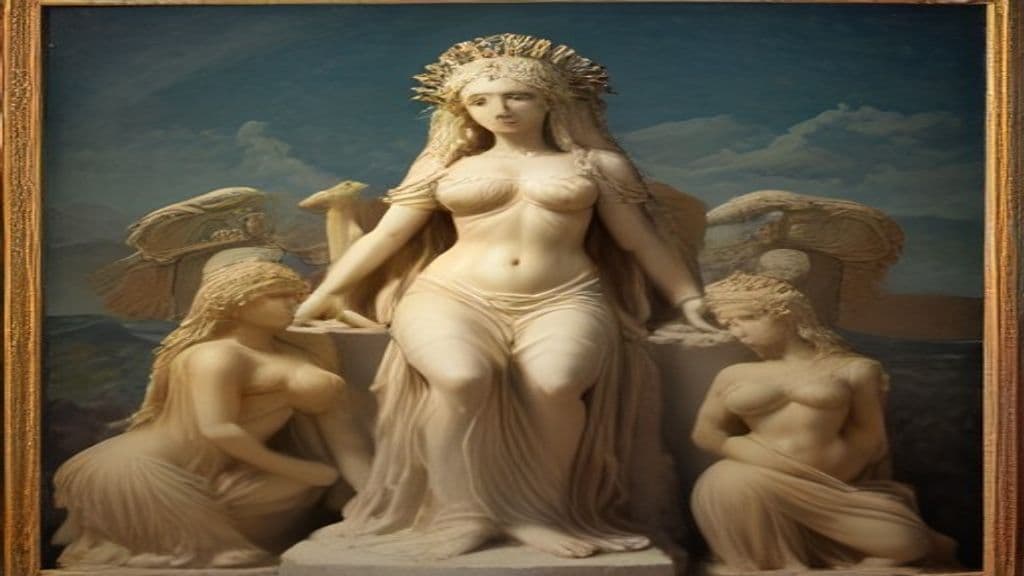
Muses
Divine inspirational figures of ancient Greek religion and mythology who personify and authorize the arts, literature, and learned knowledge; traditionally enumerated as nine daughters of Zeus and Mnemosyne in the Hesiodic account and associated with sacred springs and cult sites such as Mount Helicon and Delphi.
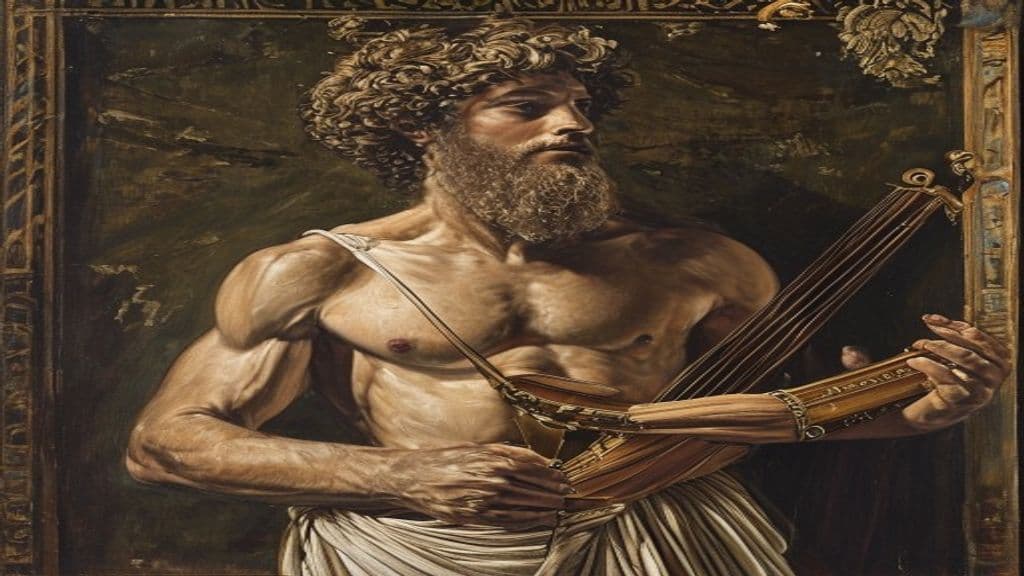
Apollo
Olympian deity of ancient Greek religion associated with prophecy, healing, music, archery, purification, and civic order. Principal patron of the Delphic oracle, protector of youth and flocks, and ambivalently both healer and bringer of plague.
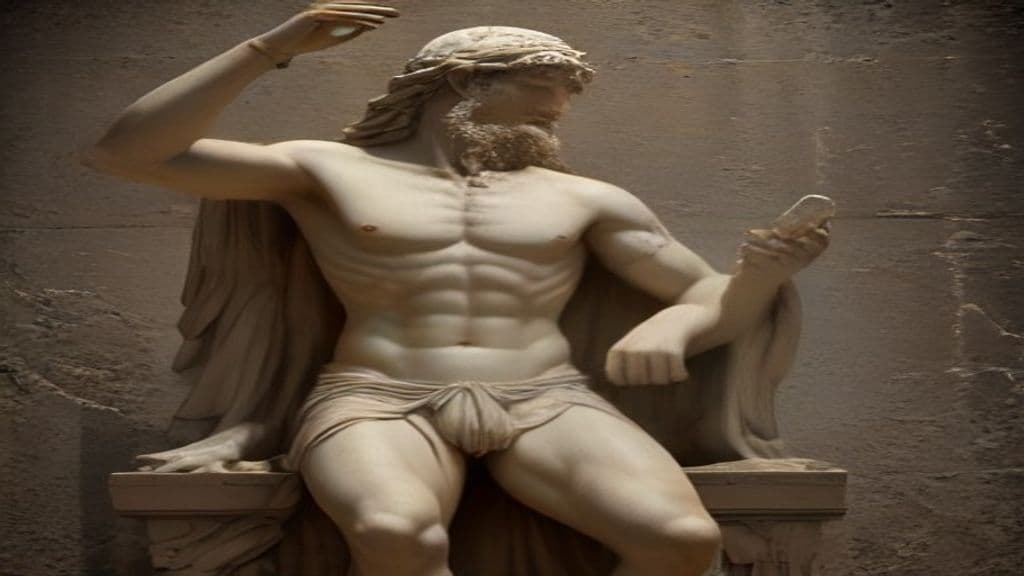
Hermes
Hermes is an Olympian god in ancient Greek religion who functions as the herald of the gods, an intermediary between mortal and divine realms, and a psychopomp guiding souls to the afterlife. He is associated with travel, boundaries, commerce, thieves, oratory, and liminality; in Hellenistic contexts he is syncretized with Egyptian Thoth as Hermes Trismegistus.
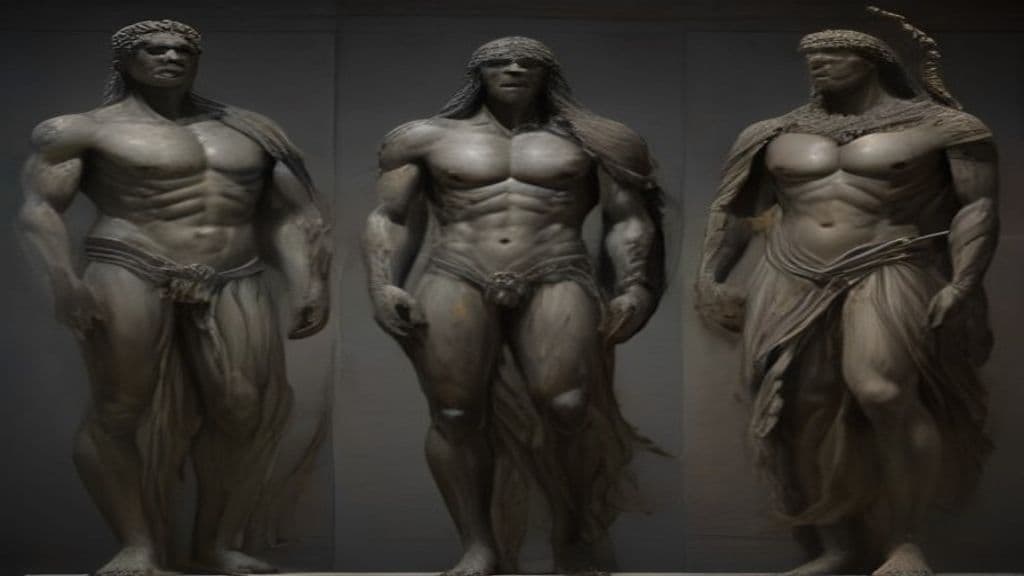
Argonauts
A band of human heroes in Greek myth who sailed aboard the ship Argo under Jason to Colchis to retrieve the Golden Fleece. Their identity is defined by membership in the celebrated voyage and by shared heroic lineages; membership lists and details vary by source.
Community Record
- [1]Orpheus — Wikipedia. Wikipedia contributors, 'Orpheus', Wikipedia, The Free Encyclopediawiki
- [2]Orpheus — Wikidata. Wikidata entry Q51883612other
- [3]Orpheus and Eurydice — Ovid (narrative context referenced). Ovid, 'Orpheus and Eurydice' (online text at Bibliomania)literary
- [4]Orpheus (ballet) — Wikipedia (cultural reuse referenced). Wikipedia contributors, 'Orpheus (ballet)', Wikipedia, The Free Encyclopediawiki