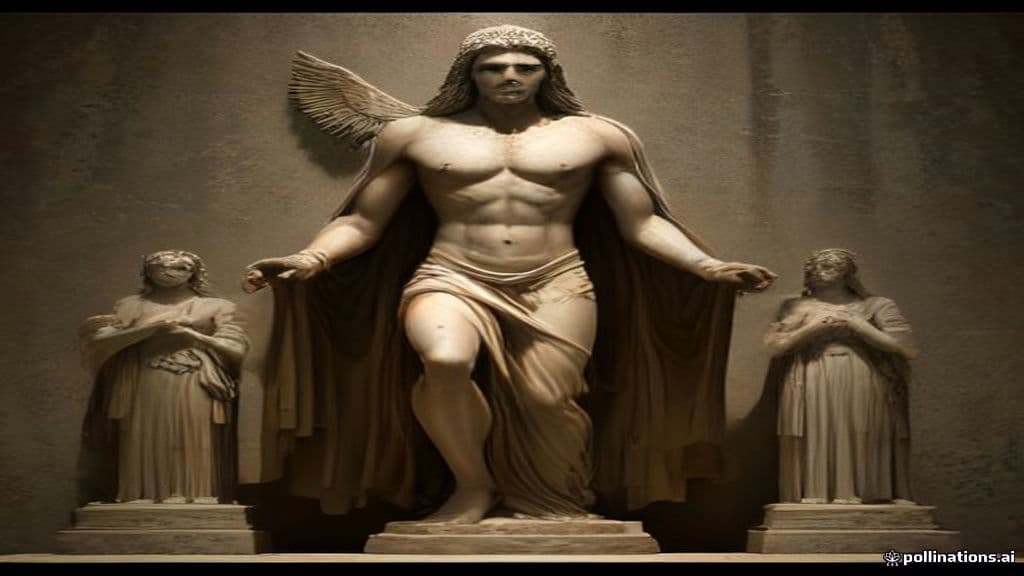
In Athenian legendary chronologies Cranaus succeeds Cecrops I as king of Athens. He is described as autochthonous—born from the earth—and as an eponym for the inhabitants (Kranaoi) and the city/land (Kranaa/Kranaai). One tradition gives him a nine-year reign, synchronised with the flood of Deucalion. He was deposed by Amphictyon (son of Deucalion), fled to Lamptrae where he died and was buried, and later received hero-veneration in Athens; his priests were drawn from the family Charidae. These elements are attested in ancient king-lists and compendia (Apollodorus, Pausanias, Pindar as collected in modern summaries and reference compilations).
Ancient sources and the assembled summaries provide no physical description of Cranaus as an individual figure; he is represented through genealogical, civic, and cultic markers rather than bodily traits. Extant traditions name family relations (wife Pedias and daughters or descendants variously given in sources, including Atthis, Cranaë/Cranaechme and possibly a son Rarus in some lists), and report his tomb at Lamptrae which was said to be visible in the time of Pausanias. His presence in literature is therefore visualised through onomastic and topographic traces (eponymous people and place-names, a hero-tomb) rather than a corporeal portrait in the supplied materials.
No supernatural feats, magical acts, or hostile behaviors are attested in the provided sources. Cranaus' 'powers' are social and symbolic: his autochthony confers sacral legitimacy and foundational authority, his role as eponym ties community identity to the land, and his posthumous hero-veneration indicates cultic potency as an ancestor figure. Politically he is reported to have reigned for a short term (one source gives nine years), to have been deposed by Amphictyon, and to have been buried at Lamptrae; his priests (Charidae) maintained his cult in Athens. Beyond these civic/ritual functions, the supplied material attributes no magical abilities.
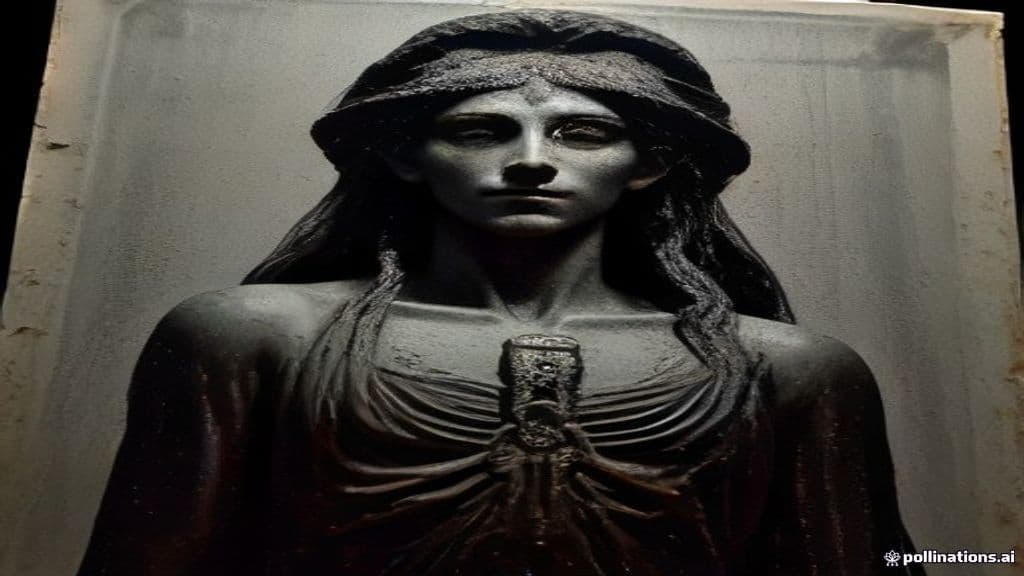
Amphictyon
Amphictyon (Greek: Ἀμφικτύων) is a mytho-historical ancestral king in Greek tradition associated with the generation after the great flood and with the foundation/organization of communities that dwelt around sanctuaries (the Amphictyons). He appears in variant genealogies as son of Deucalion and Pyrrha or as son of Hellen, is called king of Thermopylae and in some accounts king of Athens, and is etiologically linked to the Amphictyonic League and early cultic practice.
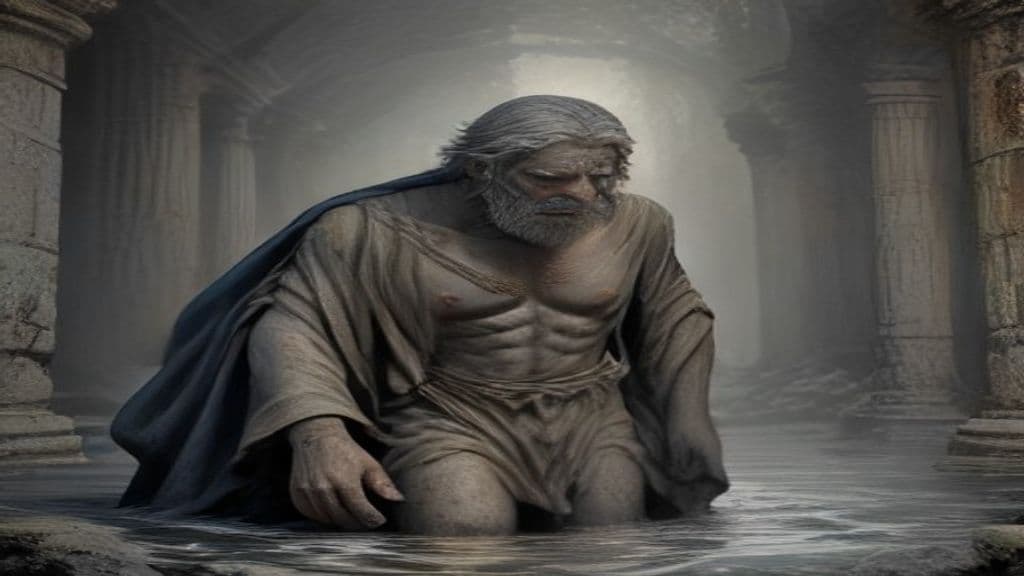
Deucalion
Deucalion (Ancient Greek: Δευκαλίων) is a mortal culture-hero in Greek myth who survives a divinely-sent primeval flood and, with his wife Pyrrha, re-populates the world by throwing stones that become humans. He is portrayed as a king, founder of cities and temples, and son of Prometheus in many traditions.
Community Record
- [1]Cranaus - Wikipedia. Wikipedia: Cranaus (summary of ancient sources including Apollodorus, Pausanias, Pindar)wiki
- [2]The Kings of Athens (Apollodorus and related king-lists) - Archive LP0037. Archive reproduction of king-list material summarising Apollodorus and other ancient compilersliterary
- [3]Cranaus - in ancient sources @ attalus.org. Compilation of ancient references to Cranaus (genealogies, cult-notes, tomb, onomastic evidence)academic
- [4]Newton Project — Chronology drafts (Cranaus in king sequences). Chronological compilations and notes placing Cranaus within legendary sequences and synchronisms (e.g., Deucalion's flood)other
- [5]Cranaus in Greek Mythology - Greek Legends and Myths. Popular compilation summarising ancient traditions about Cranaus (eponymy, reign, exile, tomb, hero-cult)folk
- [6]Atthis - in ancient sources @ attalus.org. Reference on Atthis, a figure variably related to Cranaus in ancient onomastic and genealogical traditions (used here for variant family attestations)academic