
In Greek genealogical and foundation-myth material Dardanus is presented as a son of Zeus and the Pleiad Electra. Several traditions present him as originally associated with Arcadia and as a migrating founder-figure who led a group to islands such as Samothrace in flood-myth recollections and who became associated with the Dardanian Plain and the city-name Dardanus on the Asian shore of the Hellespont. He is repeatedly named as the ancestor and eponymous progenitor of the Trojan royal house, the lineage that later includes figures tied to Troy (for example, later royal names appear in sequences that trace back to him). The stories vary in detail across sources, and multiple different mythic personages sharing the name Dardanus appear in Greek tradition, but the dominant strand identifies him as the Zeus‑sired founder whose name explains local place‑names and Trojan ancestry.
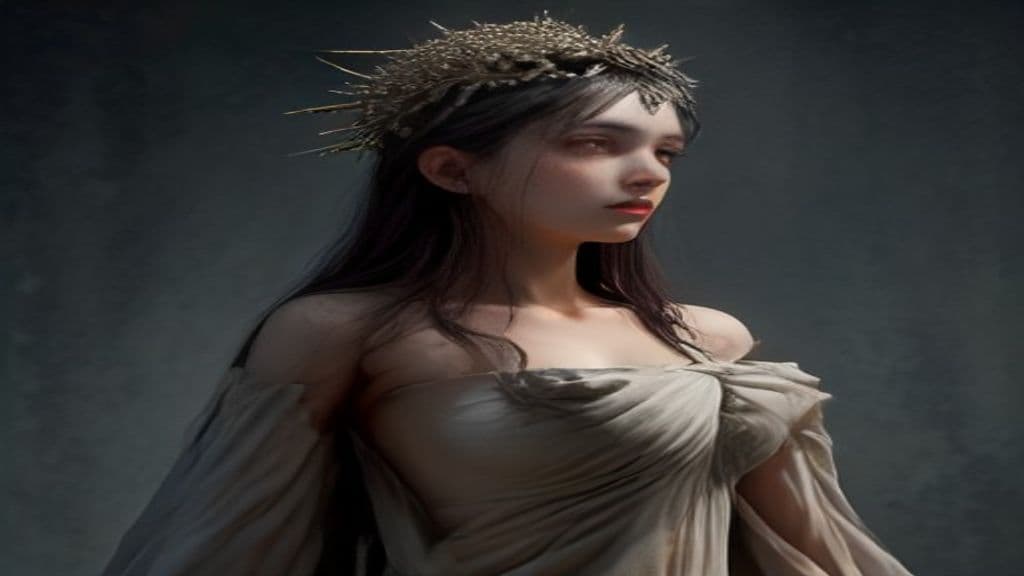
Classical and later sources treat Dardanus primarily as a genealogical and eponymous figure rather than as a vividly depicted individual; the provided materials do not preserve a consistent physical description, iconography, or set of attributes. Instead, surviving references emphasize his role in descent lists and foundation accounts (parentage, marriage, offspring, migration, and eponymy). Because the evidence is literary and genealogical, there is no consistent depiction of age, dress, or emblematic regalia in the excerpts provided—Dardanus appears in texts as a named ancestor invoked to explain place‑names and dynastic origins rather than as a characterized visual type.
Sources attribute to Dardanus the capacities and activities typical of a mythic founder: leading migrations, settling territory, conquering or occupying the Dardanian Plain, and establishing or giving his name to urban and regional identities (for example, the city of Dardanus and the Dardanians/Trojans). He is repeatedly identified as son of Zeus, which provides him with semi‑divine status in genealogies, but the excerpts do not ascribe overt magical powers, miracles, or continuing supernatural agency to him; his power in tradition is primarily genealogical and aetiological—granting divine legitimacy to later houses through descent rather than performing cosmic actions.
Weaknesses
- otherno specific weaknesses recorded in sources
Wards
- otherno specific wards or cultic protections recorded in sources
Community Record
- [1]Dardanus (son of Zeus) — Wikipedia. Wikipedia, entry 'Dardanus (son of Zeus)'wiki
- [2]Dardanus — Wikipedia (disambiguation & summary). Wikipedia, entry 'Dardanus'wiki
- [3]Dardanus - in ancient sources @ Attalus. Attalus.org, compilation 'Dardanus - in ancient sources'other
- [4]Ancient Greek flood myths — Wikipedia. Wikipedia, 'Ancient Greek flood myths' (summary noting migrations and island refuge traditions)wiki
- [5]Flood Folklore: Greece (summary). CuriousTaxonomy.net, 'Flood Folklore: Greece' (summary referencing migration fragments mentioning Dardanus)folk
- [6]Laomedon (Hercules foe) — MarvOnApp appendix. MarvOnApp, notes on Laomedon and Trojan genealogies (uses Dardanus as ancestral figure)other