Dawn deities are not a single mythic person but an analytical category applied to many culturally specific figures who embody the coming of morning. In Indo‑European comparative reconstruction the protoform *Hausos is posited as the ancestral dawn goddess whose reflexes include Vedic Ushas, Greek Eos and Roman Aurora; individual traditions then develop local narratives and genealogies. In Ugaritic scripture the dawn figure Shahar is named as a child of the high god El and paired with the dusk figure Shallem, embedding the dawn role within a pantheon. Chinese myth places solar/dawn functions in figures such as Xihe, described as ascending the Fusang tree to commence the sun's emergent brightness. Other traditions name morning‑star figures (Tagalog Tala/Hanan/Liwayway), a two‑faced Sioux dawn spirit Anpao, and partial dawn associations in Egyptian Tefnut; each tradition situates its dawn figure within its own cosmology and origin accounts as attested in the cited sources.
Descriptions across the surveyed sources are sparse and culturally specific. Many catalogued names (Ushas, Eos, Aurora, Ēostre, Zorya, Afërdita, Aušra/Aušrinė, Tala) are listed without consistent iconography in the summary source. A few traditions provide distinctive imagery: the Sioux Anpao is described briefly as a dawn spirit with two faces; Chinese Xihe is associated with the Fusang tree and the initiating motion of light, implying a luminous or solar-linked manifestation. The available sources do not offer unified or detailed physical portrayals for the category as a whole.
Dawn deities are characterized functionally by their association with the arrival of morning and related phenomena: bringing or personifying dawn, producing emergent light, and, in some traditions, embodying the morning star. Xihe is described as ascending the Fusang tree and commencing the sun's daily journey, indicating a cosmological role in initiating daylight. Tagalog Tala is described as the deity of the morning star (Venus seen at dawn), implying control or personhood of that celestial presence. Ugaritic Shahar's pairing with dusk signals a role in regulating the daily time cycle within the pantheon. The summary source also notes that some dawn figures become syncretized with solar deities, so in particular contexts their functions overlap with broader solar agency; beyond these dawn/sun roles no other consistent supernatural powers are documented in the provided material.
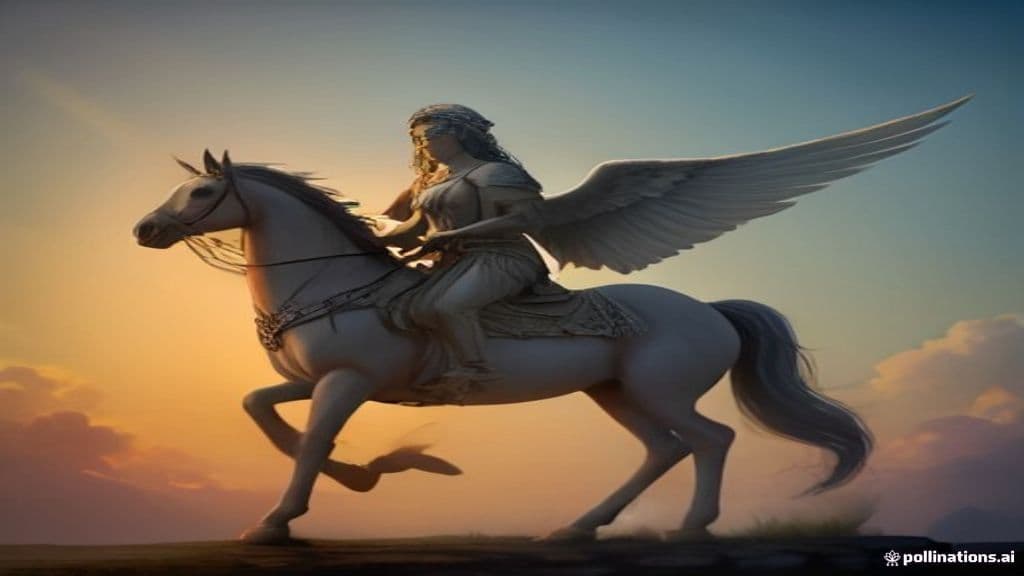
Eos
Eos is the ancient Greek goddess and personification of the dawn who rises each morning from the edge of Oceanus to bring light, open the gates of heaven for her brother Helios, and usher in the day; she is a daughter of the Titans Hyperion and Theia, sister to Helios and Selene, and mother of several winds and astral figures.
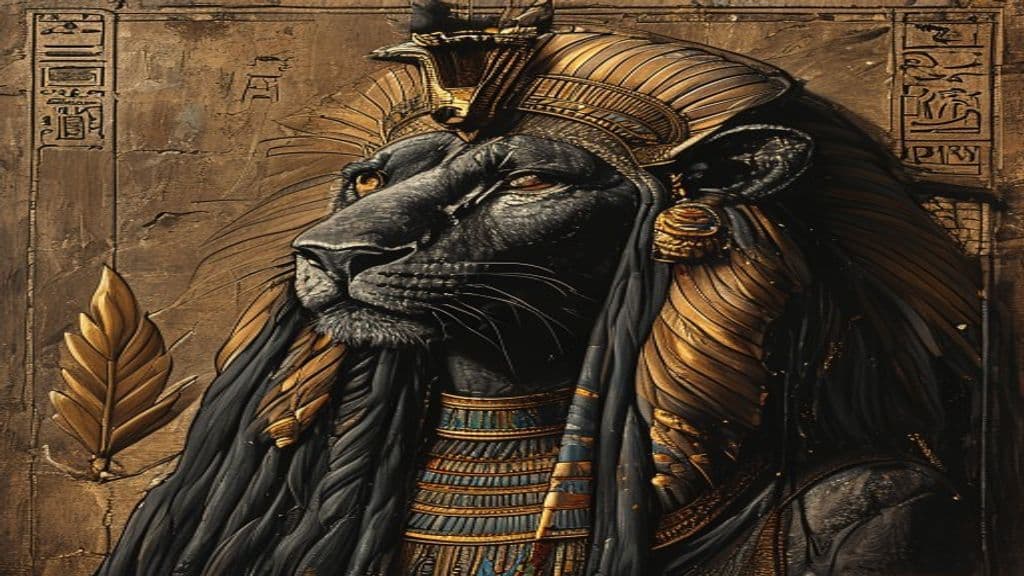
Tefnut
Tefnut is an ancient Egyptian goddess of moisture (moist air, dew, and rain), a leonine and solar-associated member of the Heliopolitan Ennead. She is a primordial offspring of the creator (Atum/Ra), twin and consort of Shu, and mother of Nut and Geb, functioning both as a life-giving moisture deity and as one of the leonine 'Eye of Ra' goddesses who can assume a fiery protective or wrathful aspect.
Community Record
- [1]Dawn deities. Wikipedia, 'Dawn deities' (survey of named dawn figures and cross-cultural notes)wiki
- [2]Xihe (deity). Wikipedia, 'Xihe (deity)' (description of ascent of the Fusang tree and 'Emergent Brightness')wiki
- [3]Wikidata: dawn deity. Wikidata entry for 'dawn deity' (linked data identifier for the category)other