Demophon is presented in the tradition as son of Theseus and Phaedra (placing him within the Athenian heroic genealogy) and brother of Acamas; some narratives add details of his upbringing away from Athens (raised in Euboea or in exile) before joining the generation that fought at Troy. After the fall of Troy he rescues Aethra and on the return journey lands in Thrace and marries Phyllis (in some versions), or otherwise returns to Athens to succeed Menestheus as king. Variant traditions place his death in Cyprus or record a secure return to rule in Athens; later chronologies (recorded in modern summaries of the tradition) assign Trojan War dates and a reign length (e.g., a 33‑year reign and dates around the twelfth century B.C.) but these chronological figures are later historicizing attempts rather than contemporary attestations.
Ancient sources do not preserve a sustained physical portrait of Demophon (no consistent description of stature, dress, or visage). He is known from narrative and dramatic listings: e.g., the dramatis personae of Euripides' Heracleidae name him explicitly as "DEMOPHON, King of Athens." Classical summaries and mythographic listings present him in roles appropriate to a heroic king and warrior rather than as a visually distinct supernatural being.
Sources portray Demophon as a mortal heroic king and military leader: a veteran of the Trojan War (some later lists include him among those who entered Troy in the Trojan Horse), a defender of Athens against challengers (opposing Diomedes or Agamemnon in different accounts), a host and protector who gave refuge and land to the Heracleidae, and a political actor who implements oracular mandates—most notably enforcing an oracle's requirement (in Euripides' Heracleidae) that a noble virgin be sacrificed to Persephone, fulfilled by Macaria. Certain accounts also attribute to him the recovery or possession of a Palladium‑type sacred image (for example Polyaenus relates an anecdote linking an Athenian and a Palladium). He is explicitly mortal in all supplied sources; no supernatural powers or magic are ascribed to him in the provided material.
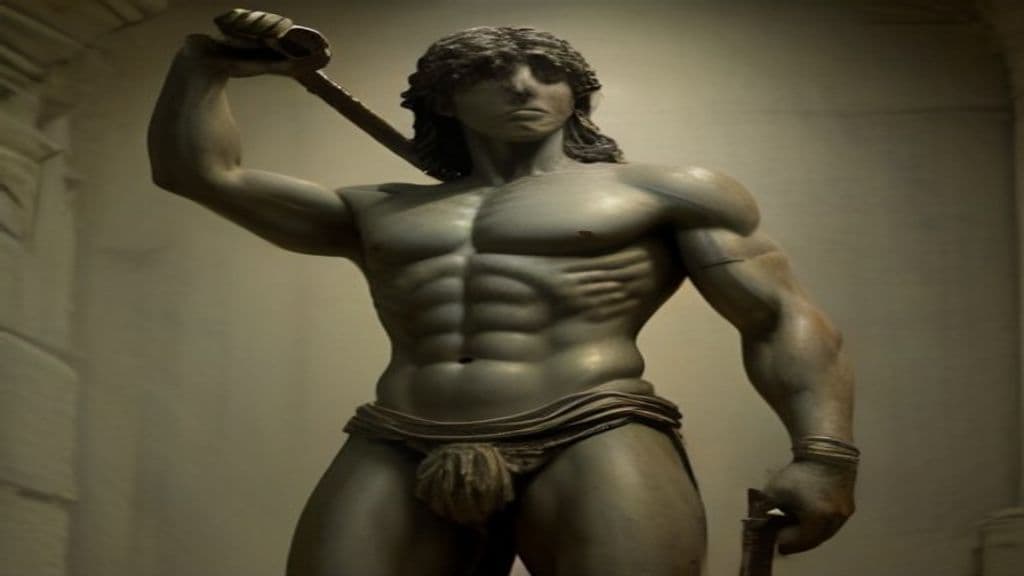
Theseus
Theseus is a legendary hero of Greek myth credited with clearing dangers from Attic roads, slaying the Minotaur, and performing foundational civic acts for Athens (including synoikismos and establishing cult practice). He is portrayed as of mixed mortal and divine parentage and functions as a culture-hero and exemplar in later authors' moralizing biographies.

Acamas
Acamas (Ancient Greek: Ἀκάμας) is a personal name recurrent in ancient Greek narrative traditions applied to multiple human characters (warriors, princes, suitors), once to a Cyclops, and once as a hound's name. Rather than a single supernatural entity, bearers of the name appear episodically across the Trojan War, Theseid, and Theban cycles as mortal actors whose deeds intersect with gods and fate.

Diomedes
Diomedes (Ancient Greek: Διομήδης) is a hero of Greek myth, foremost among Achaean warriors in the Trojan War, later a king of Argos and a legendary founder of cities in Italy; some traditions report he received cult after death. The name also appears for other historical and modern persons and places but within the supplied sources refers primarily to the mortal heroic figure(s) of classical tradition.
Heracleidae
The Heracleidae (Ancient Greek: Ἡρακλεῖδαι) are the collective descendants of the hero Heracles invoked in Greek myth and historiography as a kin-group whose pedigree justifies dynastic rule and territorial claims. In tradition they are mortal dynasts and legendary founders whose exile, repeated attempts to reclaim ancestral lands, consultation of the Delphic oracle, and eventual 'Return of the Heraclidae' explain the founding of Dorian and other ruling houses in the Peloponnese.
Community Record
- [1]Demophon of Athens — Wikipedia. Wikipedia, 'Demophon of Athens'.wiki
- [2]Wikidata: Demophon of Athens (Q912376). Wikidata entry Q912376 for Demophon of Athens.other
- [3]Euripides, Heracleidae (dramatis personae and play). Euripides, Heracleidae — dramatis personae and play (Internet Classics Archive).literary
- [4]Polyaenus, Stratagems — Book 1 (reference to Palladium handling). Polyaenus, Stratagems, Book 1 (attalus translation).literary
- [5]Archive: Epitome of Theseus (LP0116 LoAE-1-5). Epitome of Theseus (archival compilation).literary
- [6]Working Classicists — 'Rhetoric and Refugees: The Children of Herakles and The Modern Migration Crisis' (commentary). Working Classicists commentary on the Children of Heracles traditions.other
- [7]Greek Legends and Myths — Demophon. GreekLegendsandMyths summary entry on Demophon.other
- [8]Archive: Theseus & Oedipus (LP0057). Collected legendary passages and summaries relating to Theseus cycle.other