
Demoptolemus appears within the narrative fabric of the Odyssey as one of the named men who courted Penelope during Odysseus’s absence. The primary identification of Demoptolemus comes from Homeric listings of the suitors present in Odysseus’s household; later summaries and compilations (as reflected in modern secondary sources) record him among the suitors who came from Dulichium. He functions in the epic as a member of the collective antagonists whose occupation of the house culminates in the hall massacre recounted in Book XXII of the Odyssey.
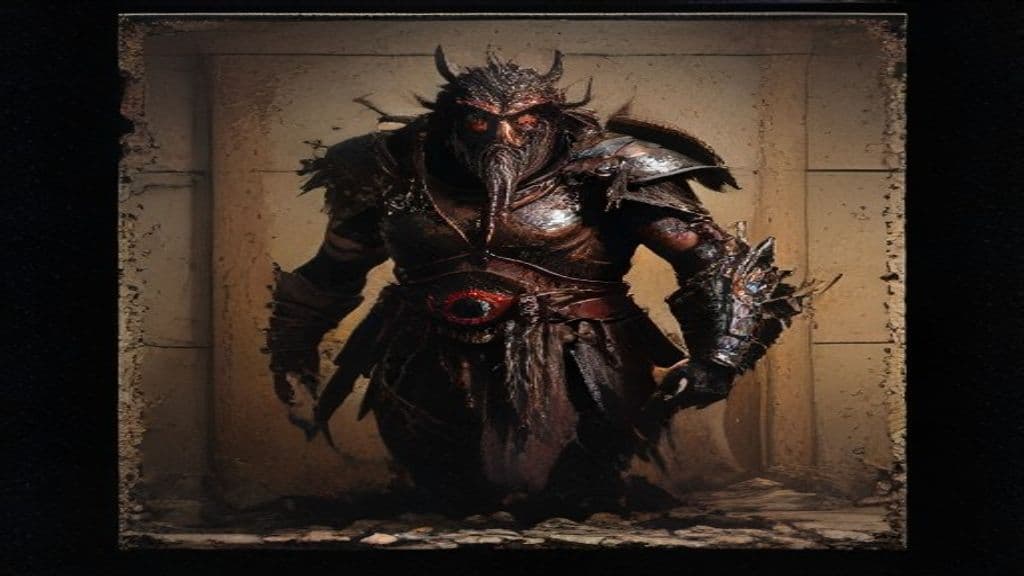
Primary Homeric passages and the cited translations provide no individualized physical description of Demoptolemus beyond his presence among the armed suitors in Odysseus’s hall. He is named as a combatant in the scene of the slaughter but is not given distinct clothing, stature, or other distinguishing corporeal traits in the provided sources.
Demoptolemus’s recorded abilities are those of an ordinary Homeric mortal: he participates in the suitors’ courtship of Penelope, resides within Odysseus’s household, and takes part as an armed combatant during the battle in the palace hall. Multiple translations and summaries state that Odysseus killed Demoptolemus in the hall (reported in translations as slain by Odysseus, in some renderings by spear). No supernatural powers or special abilities are attributed to him in the cited material.
Weaknesses
- conditionmortal vulnerability (killed in combat by Odysseus)
Wards
None recorded.
Amphimedon
In Homer's Odyssey, Amphimedon (Ancient Greek: Ἀμφιμέδων) is an Ithacan, son of Melaneus, one of the suitors of Penelope who fights in Odysseus's hall, is killed during the slaughter of the suitors, and (within the Homeric narrative) later appears among the dead in the Underworld to recount the events of that slaughter. The same name is also used in modern biological taxonomy for a genus of sponges; that referent is distinct.

Agelaus
Agelaus (Ancient Greek: Ἀγέλαος) is not a single supernatural being but a personal name borne by multiple mortal figures in Greek myth, epic, and local history. Bearers include a herdsman who raised the exposed infant Paris, several minor warriors in the Trojan cycle, mythic princes (e.g., sons of Oeneus, Stymphalus, Temenus, and in some lists a son of Heracles), a suitor of Penelope, and a historical official of Naupactus in the Aetolian League.
Community Record
- [1]Demoptolemus - Wikipedia. Wikipedia, 'Demoptolemus' entrywiki
- [2]The Odyssey, Book XXII (Translation). Homer, Odyssey, Book XXII (translated); online at The Internet Classics Archiveliterary
- [3]The Odyssey, Book XXII (alternate online text). Homer, Odyssey, Book XXII (online text)literary
- [4]Does your name belong in the Odyssey? (name-meaning discussion). Colin Gorrie, discussion of Homeric name-meaning; notes gloss 'Demoptolemus' as 'Peoples-War'other
- [5]Demoptolemus | Facts, Information, and Mythology. Pantheon.org summary of Demoptolemus as a suitor killed in Odysseus's hallother
- [6]The Courtship of Penelope - by Daniel Lavery - The Chatner. Secondary commentary identifying named suitors and narrative contextother