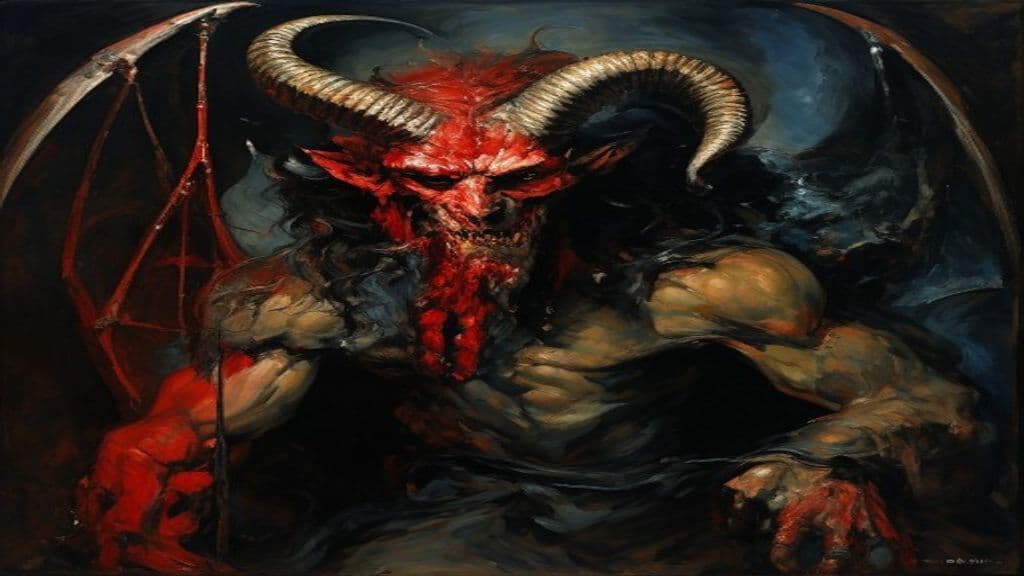
The compiled sources present multiple, tradition-dependent origin models rather than a single origin story. Scholarly summaries identify four principal models found across sources: (1) the Devil as an independent principle of evil (dualistic systems influenced by ideas such as Zoroastrian Angra Mainyu), (2) the Devil as an aspect or function within a supreme deity in some theological readings, (3) the Devil as a created being who turned evil (for example, Christian traditions that portray a fallen angel), and (4) the Devil as a symbolic personification of human evil (a moral or literary figure). These divergent origins reflect historical negotiations—such as Second-Temple Jewish and Christian responses to Persian dualism—and ongoing reinterpretation across cultures (Wikipedia; secondary authors summarized in Wikipedia).
Sources emphasize wide variability in depiction rather than a single canonical form. Artistic and literary portrayals historically and in modern media have presented the Devil in varied guises: sometimes horned, sometimes humanoid without horns; depicted in colors like red, blue, or black; and represented by names such as Satan, Lucifer, Iblis, or Beelzebub in particular traditions. Literary figures such as Mephistopheles exemplify culturally specific personifications. The scholarly survey notes that appearance is often shaped by the role the figure plays in a given tradition—tempter, accuser, commander of demons, or moral symbol—so iconography shifts accordingly (Wikipedia; Box Office Mojo example for modern fictional depiction).
Across the surveyed traditions the Devil is repeatedly described as a tempter who leads people into sin, a commander or organizer of subordinate evil spirits (in traditions with a demonic hierarchy), and an explanatory agent for hostile occurrences such as disease, death, and misfortune. In some accounts the Devil is capable of possessing persons; in others the term denotes a symbolic or rhetorical figure applied to wicked individuals. Scholarly summaries collected in the sources underline that these capacities vary by cultural and theological context: for example, Christian traditions often emphasize the tempter/fallen-angel model and command over demons, while some uses are metaphorical rather than literally ontological (Wikipedia; cited scholars in Wikipedia; Bonnetain as cited in Wikipedia).
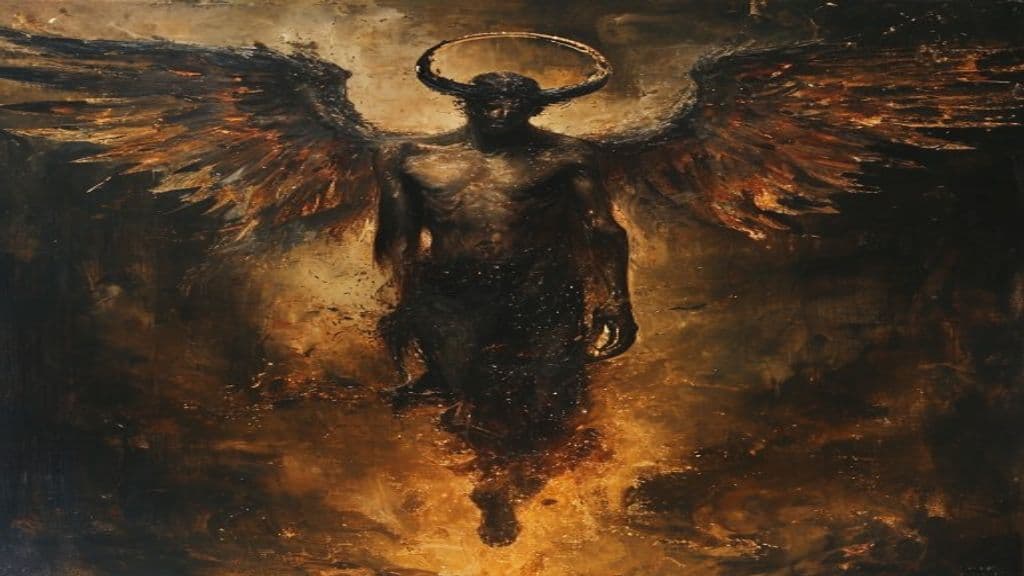
Iblis
The primordial deceiver in Islamic theology; a jinn who refused God's command to bow before Adam and was expelled from heaven. The source of all temptation and whispered suggestion.
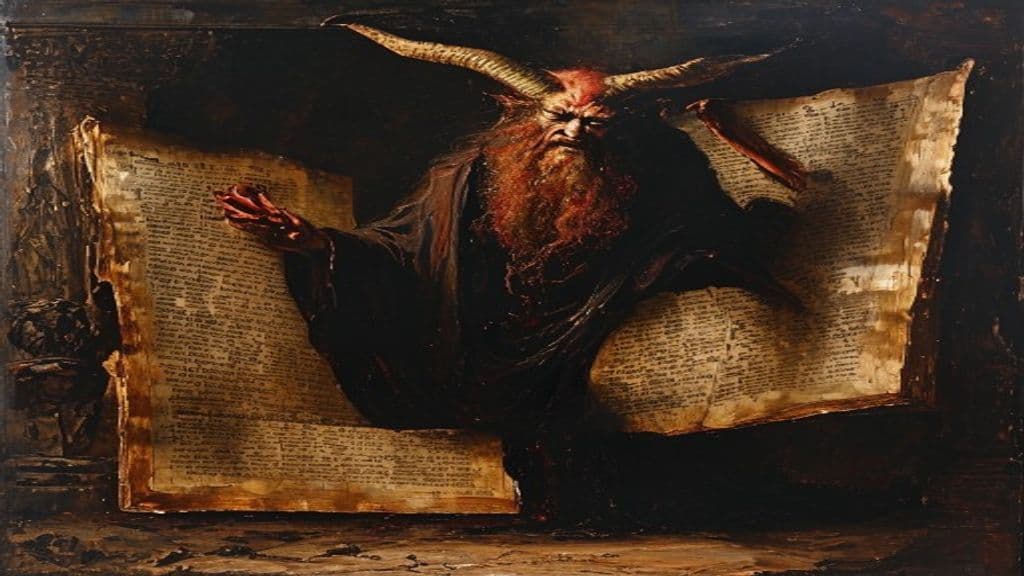
Satan
A central oppositional figure in Abrahamic traditions who functions variously as an accuser, tempter, tester, and rebel. In earliest Hebrew Bible contexts the term functions as a role within the divine council; in later Jewish, Christian, and Islamic developments the figure becomes a more fully personified adversary who incites humans to sin and leads hostile spirits.

Lucifer
A multilayered figure whose core identity in the cited sources is the planet Venus as the brilliant morning star (Latin lucifer, 'light-bringer' / Hebrew hêlêl, 'shining one'). In later Jewish and especially Christian exegesis the Isaiah image Helel ben Shachar is reinterpreted as a mythic fall motif and becomes associated with a rebellious heavenly being identified with the adversary; this development overlays the earlier astronomical and poetic personification.
Community Record
- [1]Devil — Wikipedia. Wikipedia contributors. 'Devil.' Wikipedia, The Free Encyclopedia. https://en.wikipedia.org/wiki/Devilwiki
- [2]Devil — Wikidata entry. Wikidata: Q6674. http://www.wikidata.org/entity/Q6674other
- [3]Devil - Box Office Mojo (modern cultural example). Box Office Mojo. 'Devil' release synopsis. https://www.boxofficemojo.com/release/rl510100993/literary
- [4]Archive materials referencing 'Beat The Devil' and other modern uses. Archive.org item 'On Chasing Dreams & His New Book "Beat The Devil"'. https://archive.org/details/2l10ibpk7wfgrbxqo0fwspdovldd0crl5zgavko4other