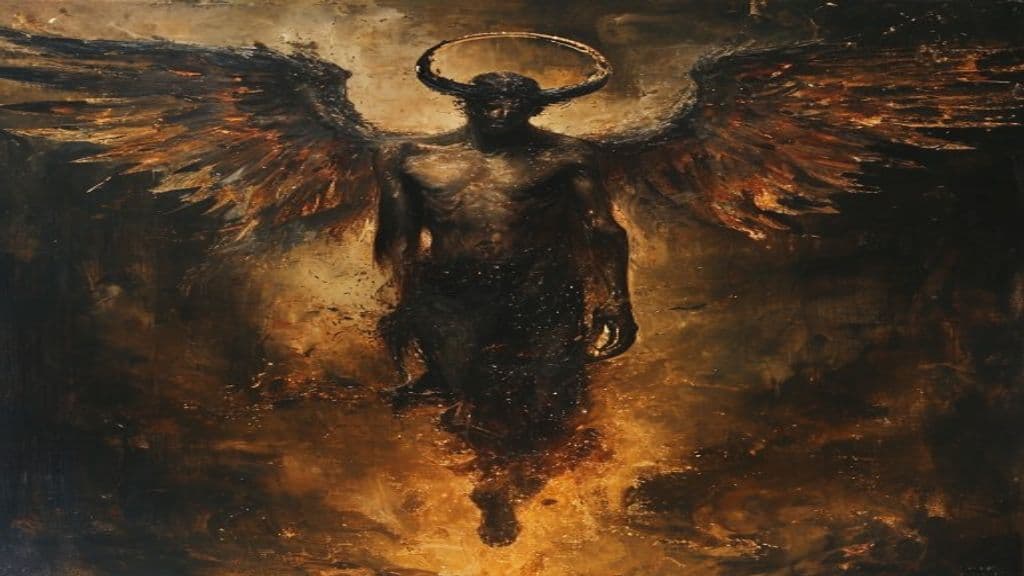
Created from smokeless fire before the creation of humans, Iblis stood among the angels in station through his devotion. When God created Adam from clay and commanded prostration, Iblis refused, claiming superiority by nature of his origin. He was cursed and cast out, but was granted respite until the Day of Judgment.
Has no fixed form. Described in some traditions as beautiful before his fall, now monstrous — but most accounts emphasize his invisibility and ability to approach from any direction unseen.
Whispers directly into the hearts of humans. Commands legions of lesser jinn and shayatin. Can appear in dreams. Approaches from front, behind, right, and left simultaneously. Cannot be seen by ordinary perception.
Weaknesses
- mantraAudhu billahi min ash-shaytan ir-rajim
Wards
- mantraReciting Ayat al-Kursi (Quran 2:255)
- ritualAblution (wudu)

ruqyah (Arabic: رقية, transliterated ruqya / ruqyah)
Ruqyah is an Islamic exorcistic practice (also called al-'azm or ṭard al-shayṭān/al-jinn) used to expel or counteract jinn, ghosts, and devils. Sources identify the practice and its purpose and record contemporary audiovisual recitations labeled as ruqyah, but do not provide a detailed procedural text in the supplied excerpts.
Islamic · widespread across Muslim communities (no single region specified in provided sources)

Ta'awwudh (التعوذ — A'ūdhu billāhi min ash-shaitāni r-rajīm)
An Islamic verbal supplication recited to seek refuge in Allah from Shaitan (the devil) before reciting the Qur'an, beginning certain tasks, and as part of the opening sequence of formal prayer (salah). It addresses Satanic influence and is used to protect the forthcoming speech or action from satanic interruption.
Islamic · Global (Muslim communities; taught in curricula for new Muslims)
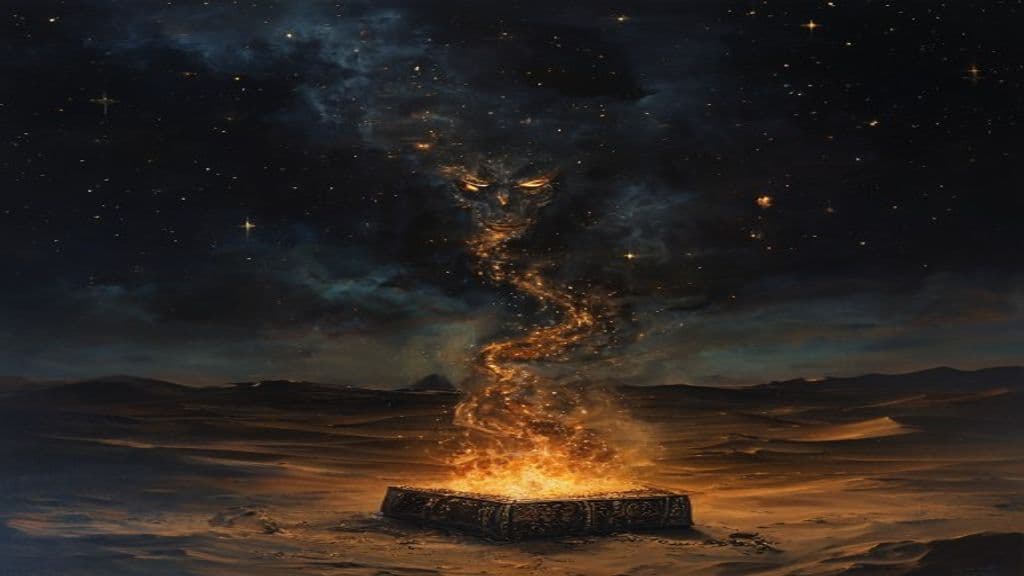
Djinn
The class of supernatural beings created from smokeless fire in Islamic cosmology — a parallel civilization to humanity, capable of belief or unbelief, with their own prophets, society, and judgment before God.
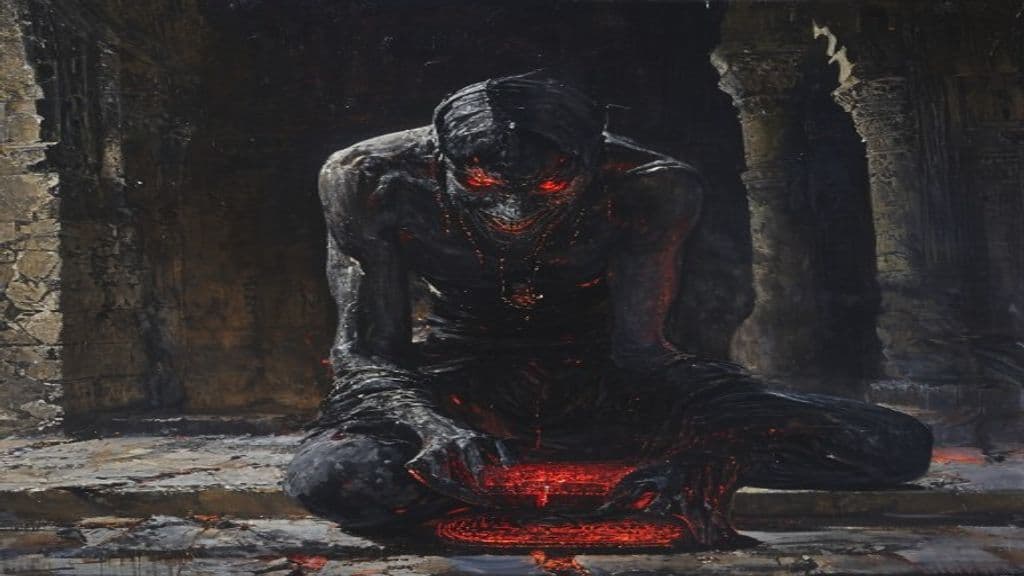
Shaitan
A class of corrupted djinn who follow Iblis and dedicate themselves to leading humans astray — distinct from Iblis himself, the Shayatin are a species of evil djinn who whisper doubts and temptations into the minds of the living.
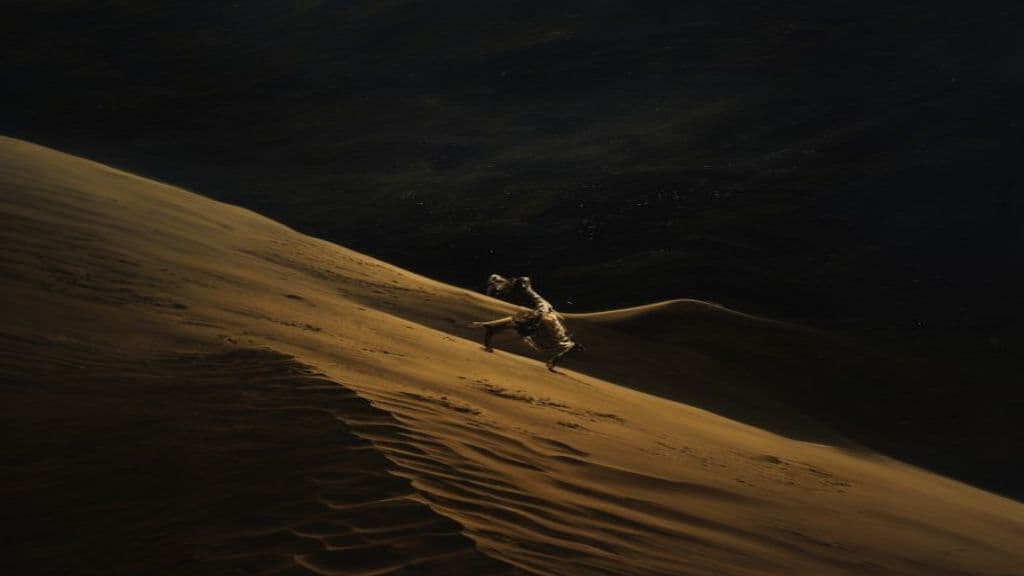
Jann
The weakest class of djinn in Islamic tradition, associated with desert winds and taking the form of snakes or whirlwinds, dwelling in empty wilderness and posing little threat to those who know the proper invocations.
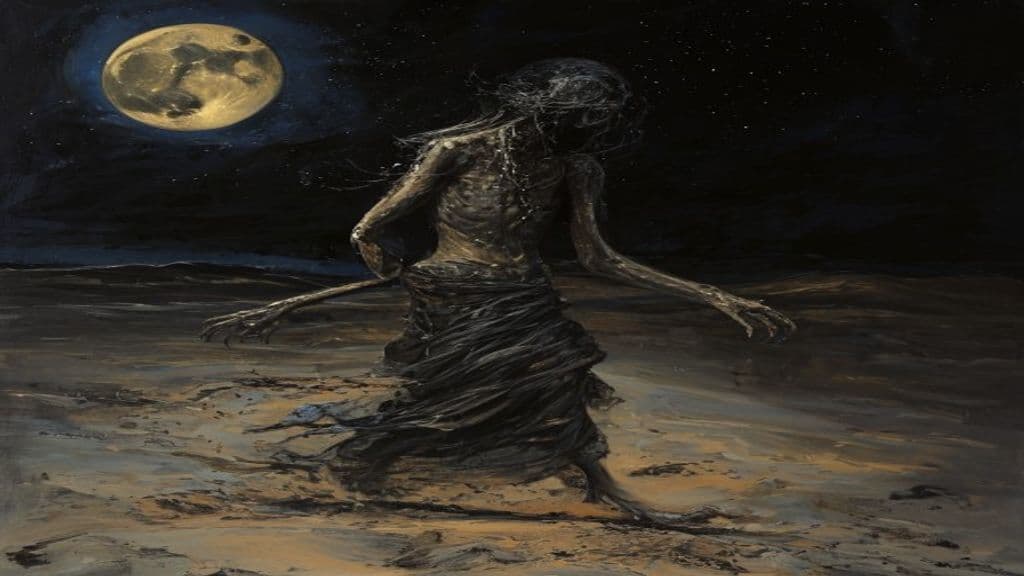
Nasnas
A half-human djinn creature of Arab folklore — possessing only half a face, one arm, one leg, and half a torso — descended from the union of a shaitan and a human, moving by leaping and highly dangerous to encounter.
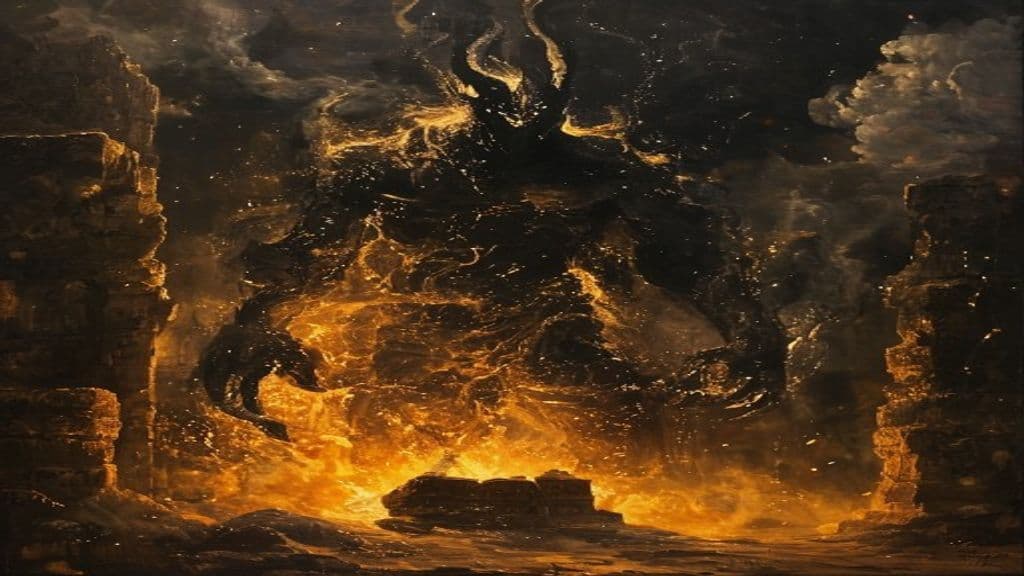
Ifrit
One of the most powerful classes of jinn in Islamic and pre-Islamic Arab tradition — a fire-born being of immense strength and cunning, capable of great works of engineering and terrible violence.
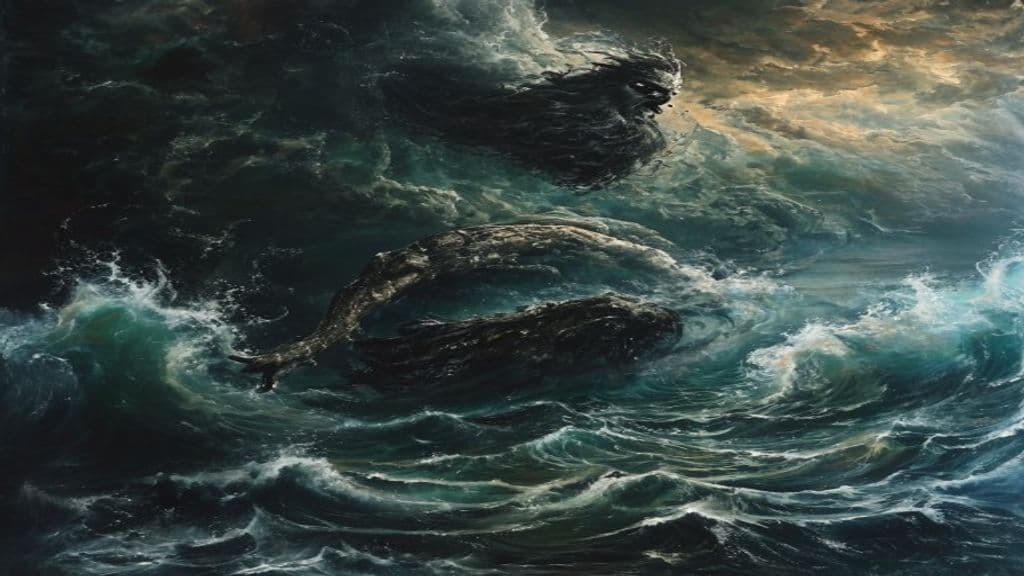
Marid
The most powerful class of jinn in Islamic tradition — beings of the sea, associated with the deep ocean, storms, and the granting of wishes at terrible cost. The classic genie of the Arabian Nights.

Sila (Si'la, Si'lat)
A jinn-like, chiefly female shapeshifting spirit from Arabian folklore, the Sila (Si'la/Si'lat) is associated with desolate desert places where it misleads travellers, seduces men, and may intermarry with humans. Early sources equated it with the ghoul; later traditions treat it as the female counterpart of ghoul-type beings.
Community Record
- [1]The Quran. Surah Al-Baqarah 2:34; Surah Al-Araf 7:11-18; Surah Al-Hijr 15:28-44literary
- [2]Satan and Sovereignty: Iblis in Islamic Thought. Awn, Peter J. 1983. Satan's Tragedy and Redemption: Iblis in Sufi Psychology. Brill.academic