In the surviving Hellenistic and Roman accounts Dido/Elissa is a Phoenician royal of Tyre who flees dynastic treachery after her brother Pygmalion seizes power (and, in some versions, after the murder of her husband Acerbas/Sychaeus). With followers and the stolen treasure she sails, makes a brief stop at Cyprus in some tellings, and purchases a small piece of coastal land by tricking locals with an oxhide cut into strands to encircle a whole hill (later called Byrsa, 'hide'). She founds the settlement called Qart-hadasht ('New City'), later Carthage. Later traditions (notably Virgil's Aeneid) interweave her life with Aeneas and divine intervention; the narrative culminates in Dido's suicide on a ceremonial funeral pyre when political and emotional pressures overwhelm her. The accounts are literary and postdate the events they narrate, and their historicity is treated as uncertain in the sources.
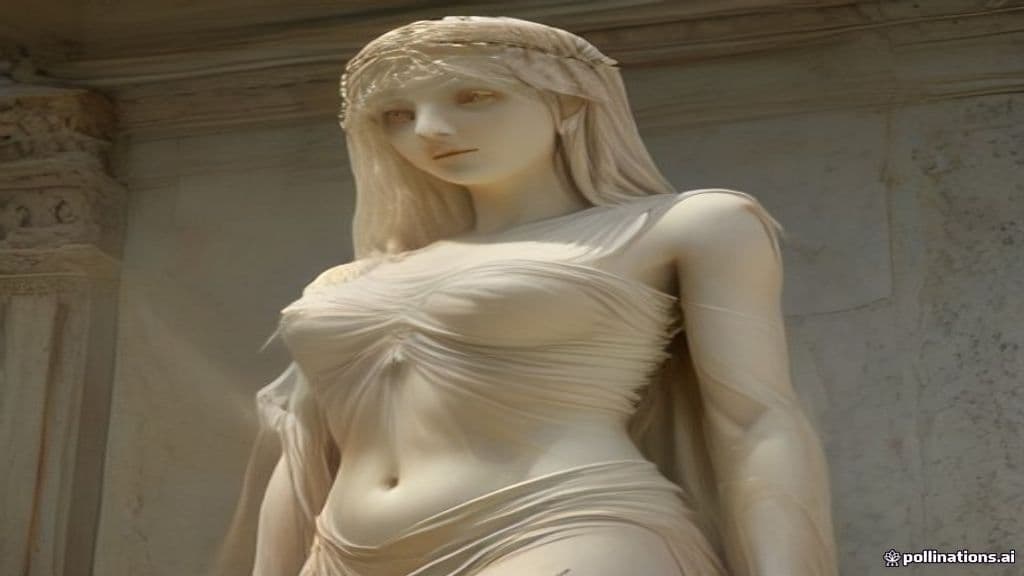
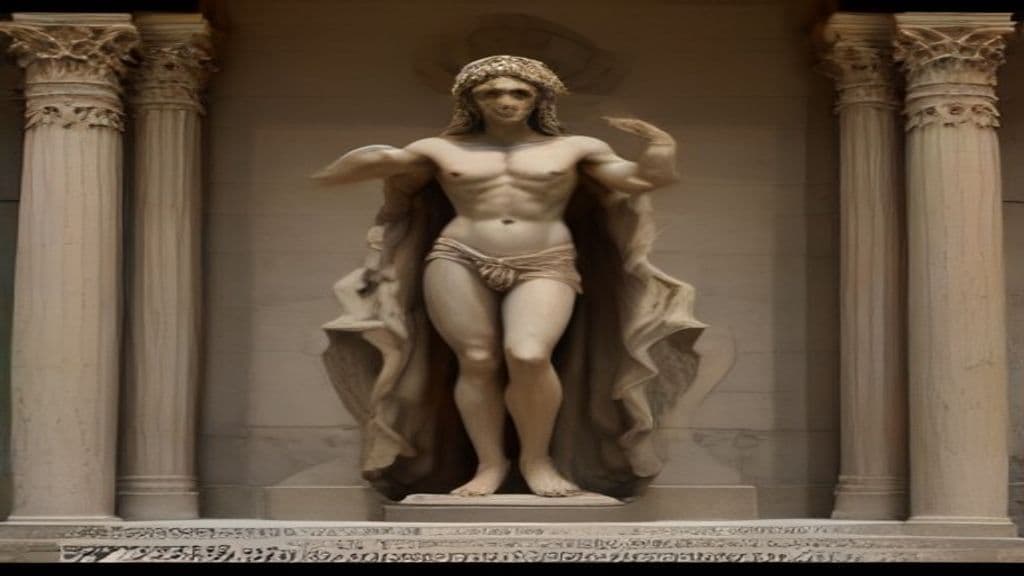
The provided sources do not supply a consistent or detailed physical description. Literary portrayals emphasize Dido's dignity, regal bearing, and tragic comportment rather than fixed corporeal features or clothing; later art (outside the cited materials) elaborates visual details, but the core texts focus on her role and fate rather than anatomy or costume.
As a legendary human figure Dido's 'abilities' are political and social: skillful statecraft and leadership in founding and organizing a prosperous settlement; cleverness and resourcefulness exemplified by the oxhide land‑acquisition trick; capacity to attract and lead followers; and rhetorical and strategic use of ritual and public ceremony (for example, organizing a ceremonial funeral pyre in the narrative). In Virgil's poetic version her emotions are shaped by divine agency (Juno's and Venus's interventions), but that is presented as literary divine influence rather than innate supernatural power.
Weaknesses
- otherpolitical vulnerability to rival rulers (e.g., brother Pygmalion)
- othersusceptibility to interpersonal and divine-influenced emotion (as in Virgil)
- otherpressure from regional powers (e.g., Iarbas' demand for marriage)
Wards
None recorded.
Community Record
- [1]Dido. Wikipedia contributors, 'Dido,' Wikipedia, The Free Encyclopediawiki
- [2]Wikidata entry for Dido. Wikidata: Q202550other
- [3]Dido problem; Geometry of Carthage & Land Claims (discussion of oxhide trick). Nikolaj Jesper Cyon, 'Dido Problem | The Geometry of Carthage & Land Claims'other
- [4]Thesis: 'Dido enflambyt': the tragic queen of Carthage in Gavin Douglas' Eneados (1513). Enlighten Theses, University of Glasgowacademic