
The name Dryope (Δρυόπη) is etymologically derived from δρῦς (drys, 'oak'), and the classical corpus applies this name to several unrelated mythic women. One tradition makes Dryope the daughter of Dryops, king of Oeta, who becomes the mother of Amphissus by Apollo. Another tradition identifies a Dryope with the Roman Fauna who bears Tarquitus to Faunus. A different Dryope is described as a nymph who, in accord with Hera's will, seizes the youth Hylas. Other accounts list a Theban Dryope of Phoenician origin who joins the Maenads and goes into labor during Bacchic rites, and a Lemnian Dryope who is mother to the Oenotropae by Anius. The sources treat these as distinct narrative characters rather than a single unified origin or species.
The supplied sources do not provide a consistent physical description applicable across the multiple figures named Dryope. Classical summaries and the excerptary material consulted do not record uniform iconography or bodily details for Dryope; while Ovid's Metamorphoses and other poetic treatments associated with related tales are known to contain vivid metamorphic imagery elsewhere, the provided excerpts do not supply specific visual descriptions of any Dryope. Therefore surviving texts represented in the sources give no single agreed-upon appearance for the name-bearers.
The texts summarized attribute concrete narrative actions to particular figures named Dryope rather than a common suite of powers. Recorded behaviors include sexual relations resulting in divine offspring (the daughter of Dryops bearing Amphissus by Apollo; identification with Fauna bearing Tarquitus by Faunus), the action of a nymph Dryope who abducts Hylas at Hera's behest, maternal roles (mother of the Oenotropae), and participation in Dionysian rites leading to childbirth while among the Maenads. The etymology of the name links Dryope to 'oak' and therefore to woodland associations, but the provided sources do not ascribe explicit magical faculties or standardized supernatural powers to Dryope as a class.
Weaknesses
- otherNo traditional weaknesses recorded in the provided sources
Wards
- otherNo traditional wards or anti-wards recorded in the provided sources
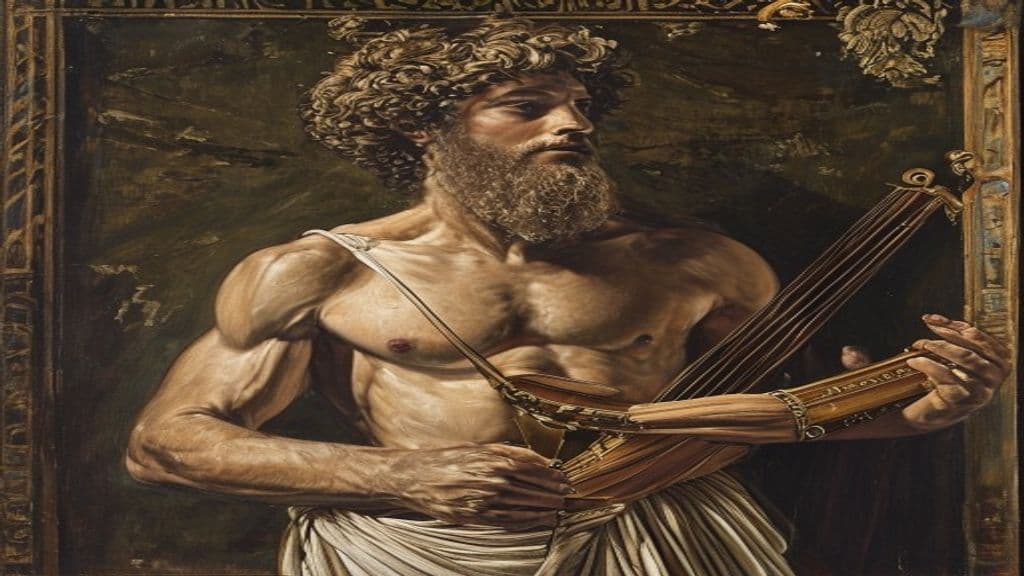
Apollo
Olympian deity of ancient Greek religion associated with prophecy, healing, music, archery, purification, and civic order. Principal patron of the Delphic oracle, protector of youth and flocks, and ambivalently both healer and bringer of plague.

Faunus
Faunus is an ancient Roman rustic deity and tutelary nature god of forests, plains, and fields, protector of agriculture and cattle. He functions as an oracular and fertility power, head of a plurality of lesser fauni (place-spirits), and was celebrated in festivals such as the Faunalia and associated with the Lupercalia rites.
Community Record
- [1]Dryope - Wikipedia. Wikipedia, 'Dryope' (summary of classical traditions and etymology)wiki
- [2]Dryope (daughter of Dryops) - Wikipedia. Wikipedia, 'Dryope (daughter of Dryops)' (specific account of the daughter of Dryops and motherhood by Apollo)wiki
- [3]Metamorphoses IX:324-393 – Dryope – David Drake. Ovid, Metamorphoses (Dryope episode referenced; text hosted/transcribed by David Drake)literary
- [4]Tragic pregnancies in Ovid's Metamorphoses | Europeana. Europeana discussion of Ovid's Metamorphoses and related tragic metamorphosis narratives (bibliographic context)other
- [5]314082 Dryope. Modern astronomical naming: asteroid 314082 Dryope (shows modern reuse of the name)other
- [6]Eurytela dryope (butterfly). Modern biological nomenclature using the mythic name (Eurytela dryope)other